
Auto Insurance Decoded: What Every Driver Needs to Know
A plain-language breakdown of auto insurance — coverage types, key terms, and how policies actually work for everyday drivers.
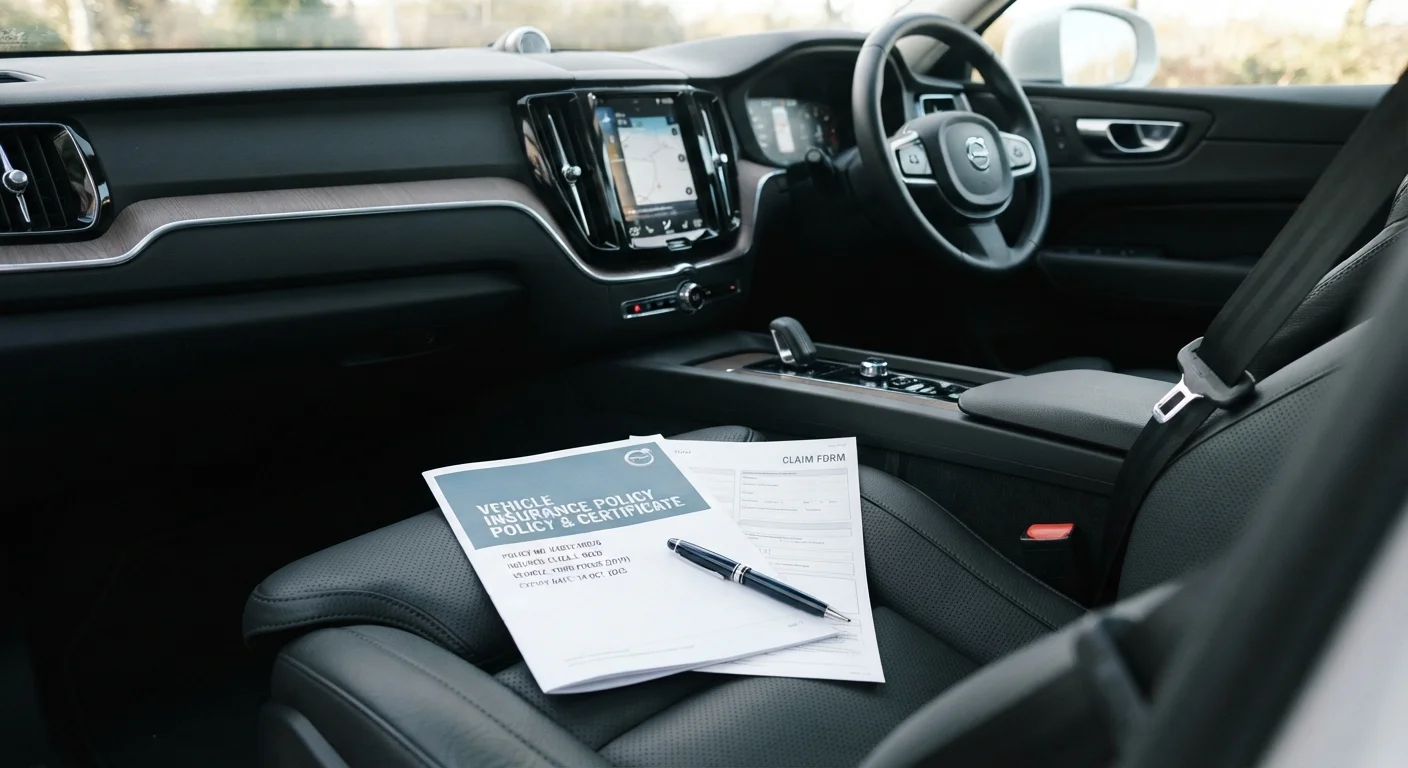
Photo: SummarizedReads.net | Just Read It! editorial
—— In This Article
Key Takeaways
- Most U.S. states legally require drivers to carry a minimum level of liability insurance.
- A single policy can bundle multiple coverage types, each protecting against different risks.
- Your deductible and coverage limits directly shape both your premium and your out-of-pocket exposure.
- Gaps like missing uninsured motorist coverage can leave you financially exposed after an accident.
- Reading your declarations page is the fastest way to understand what your current policy actually covers.
Why Auto Insurance Exists - and Why It's Required
Auto insurance is a contract between you and an insurer: you pay a premium, and in exchange the insurer agrees to cover specific financial losses defined in the policy. At its core, it exists to prevent a single accident from becoming a financial catastrophe - for you or for someone else on the road.
Nearly every U.S. state mandates a minimum level of coverage before you can legally register and drive a vehicle. Those minimums almost always include liability insurance, which pays for harm you cause to other people and their property. The logic is straightforward - without it, accident victims could be left with no way to recover their losses from an at-fault driver with limited personal assets.
Understanding the purpose behind insurance makes it easier to evaluate what you actually need versus what you might safely skip. This guide walks through the building blocks so you can read a policy, compare options, and spot potential gaps - without needing a background in insurance.
The Core Coverage Types Explained
Most personal auto policies bundle several distinct coverage types. Each one addresses a different category of risk, and not all of them are required by law.
Liability insurance
Coverage that pays for injuries or property damage you cause to someone else in an accident. It does not cover your own vehicle or injuries.
Collision coverage
Pays to repair or replace your vehicle when it's damaged in a crash with another vehicle or object, regardless of who was at fault.
Comprehensive coverage
Covers damage to your vehicle from events other than collisions, such as theft, weather, fire, or animal strikes.
Deductible
The fixed dollar amount you pay out of pocket on a claim before your insurer pays the rest, up to your policy limit.
Coverage limit
The maximum dollar amount your insurer will pay for a covered loss. Any costs above this limit are your responsibility.
Uninsured motorist coverage
Protects you when the driver who caused an accident has no insurance or not enough to pay for your losses.
- Liability (Bodily Injury & Property Damage): Covers costs you're legally responsible for after injuring someone or damaging their property. This is the coverage most states mandate.
- Collision: Pays to repair or replace your own vehicle after a crash with another car or object, regardless of who caused it.
- Comprehensive: Covers your vehicle for non-collision events - theft, hail, flood, fire, or an animal strike.
- Uninsured/Underinsured Motorist (UM/UIM): Steps in when the at-fault driver has no insurance or not enough to cover your losses.
- Medical Payments / Personal Injury Protection (PIP): Covers medical expenses for you and your passengers after an accident, sometimes regardless of fault.
For a detailed breakdown of how each type works in practice, see our guide to liability, collision, and comprehensive coverage.
Key Terms You'll See in Every Policy
Insurance documents use precise language that often trips up first-time policyholders. Knowing a handful of core terms removes most of the confusion.
- Premium: The amount you pay - monthly, semi-annually, or annually - to keep the policy active.
- Deductible: What you pay out of pocket on a covered claim before your insurer contributes. A $1,000 deductible means you absorb the first $1,000 of any covered repair.
- Coverage limit: The maximum your insurer will pay for a covered loss. Limits are often shown as split limits (e.g., 100/300/100) or as a single combined limit.
- Declarations page: The one- or two-page summary at the front of your policy listing your coverages, limits, deductibles, and premium. Start here when reviewing any policy.
- Exclusion: A situation or type of damage the policy specifically does not cover.
For a full reference, our auto insurance glossary explains dozens of terms you're likely to encounter.
Start with Your Declarations Page
Before comparing new quotes or making coverage changes, pull out your current declarations page. It summarizes every coverage you have, your limits, deductibles, and what you're paying. Knowing your starting point makes it much easier to evaluate whether you're over- or under-insured for your situation.
How Premiums Are Calculated
Insurers use a range of factors to estimate how likely you are to file a claim and how costly that claim might be. Common variables include:
- Driving record: At-fault accidents and moving violations typically increase premiums.
- Vehicle type: Repair costs, safety ratings, and theft frequency all influence the rate for a specific make and model.
- Coverage selections: Higher limits and lower deductibles increase the premium; narrower coverage and higher deductibles reduce it.
- Location: Urban zip codes with higher accident or theft rates generally carry higher premiums than rural areas.
- Credit-based insurance score: Many states allow insurers to use a version of your credit history as a rating factor, though some states restrict or prohibit this practice.
No single factor determines your rate - insurers combine them using proprietary formulas. That's why two drivers with similar profiles can receive meaningfully different quotes for the same coverage.
Premiums Reflect Risk Estimates, Not Guarantees
Insurers price policies based on statistical risk pools, not predictions about you specifically. Your premium reflects how your profile compares to others in similar categories. Rates can change at renewal based on updated data, changes in your driving record, or shifts in the insurer's overall claims experience.
Common Coverage Gaps to Watch For
Having a policy doesn't automatically mean you're fully protected. Several common oversights leave drivers exposed at the worst possible moment.
- State-minimum liability only: Minimum limits may fall far short of actual costs after a serious accident, leaving you personally liable for the difference.
- Skipping UM/UIM coverage: In states where it's optional, many drivers decline it - then discover after an accident that the at-fault driver was uninsured.
- No rental reimbursement: Without this add-on, you pay out of pocket for a rental car while your vehicle is being repaired after a covered claim.
- Gap insurance oversight: If you're financing or leasing a vehicle, the insurer may only pay actual cash value after a total loss - which can be less than what you still owe. Gap insurance covers the difference.
Our article on auto insurance pitfalls walks through these and other common mistakes in detail. Once you're ready to go deeper into your own policy documents, reading your auto insurance policy without getting lost is a practical next step.
State Minimums May Not Be Enough
Meeting the legal minimum doesn't mean you're adequately protected. A serious accident involving medical bills, lost wages, and property damage can quickly exceed minimum liability limits - leaving you personally responsible for the gap. Review your limits against your actual financial exposure before deciding how much coverage to carry.
This article provides general educational information about auto insurance and is not personalized insurance, financial, or legal advice. Coverage terms, limits, exclusions, and regulations vary by provider and by state. Always read your actual policy documents and consult a licensed insurance agent or adviser for guidance specific to your situation.
Frequently Asked Questions

Auto Editorial Team
Auto Editorial Team is the collective byline for our editorial team and contributor network. Articles published under this byline or an editorial pen name are researched, written, and reviewed according to our editorial standards for clarity, consistency, and independence before publication.
View author profile