
Monthly Budget Reset Checklist
Use this checklist at the start of each month to review last month's spending, adjust category limits, and set realistic targets going forward.
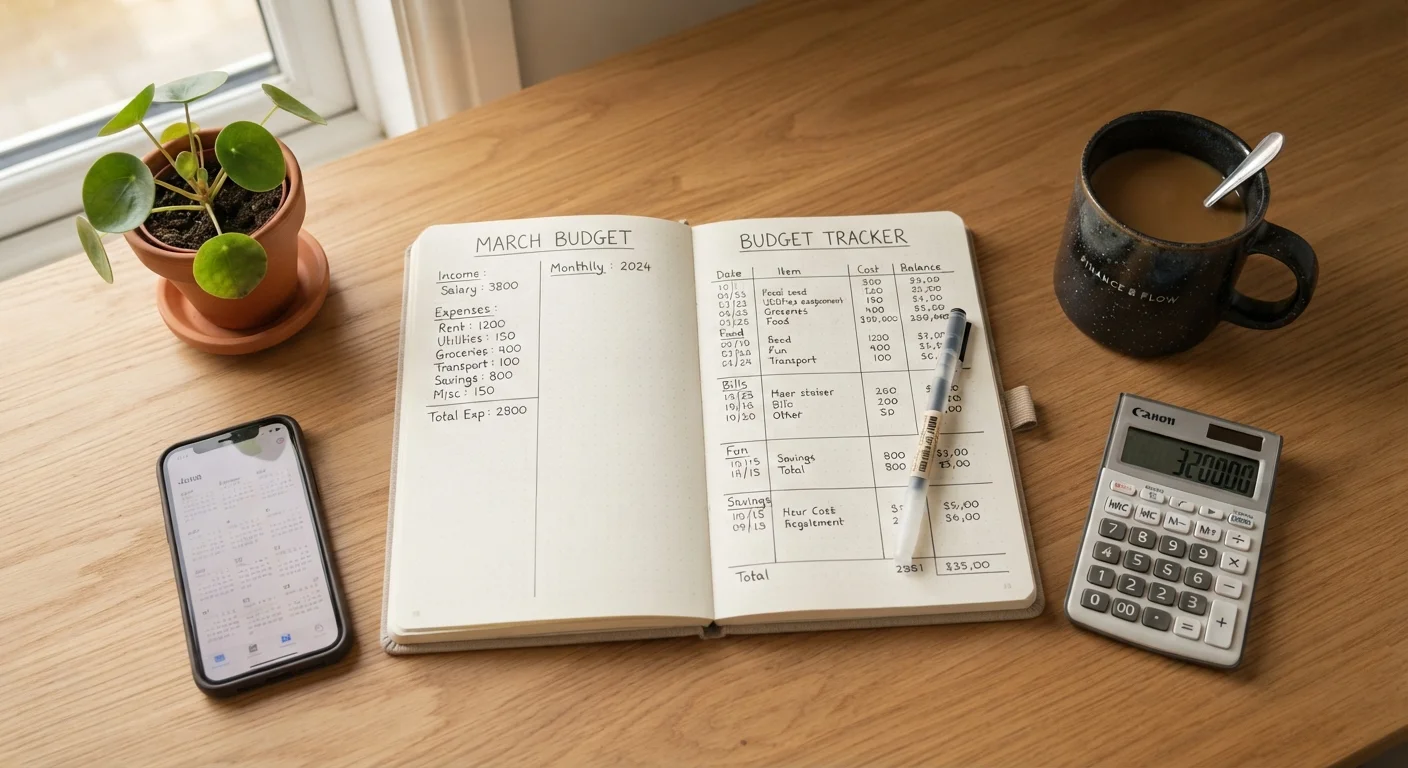
Photo: SummarizedReads.net | Just Read It! editorial
Key Takeaways
- A monthly reset compares last month's actual spending to your planned limits before setting next month's targets.
- Reviewing income first ensures every category limit is grounded in what you actually have available.
- Irregular expenses - annual fees, car maintenance, gifts - must be budgeted monthly to avoid surprises.
- Adjusting category limits based on real data is more effective than repeating the same plan that didn't work.
- Automating savings and debt payments before allocating discretionary spending reduces the risk of overspending.
Why a Monthly Reset Matters
A budget is not a set-it-and-forget-it document. Life shifts - income varies, unexpected bills arrive, spending habits drift. Without a structured monthly review, the same categories consistently overspent last month become the same ones overspent next month.
This checklist is designed to take 30 to 60 minutes at the start of each month. It walks you through closing out the previous month honestly, then opening the new one with limits that reflect reality rather than wishful thinking. If you are new to budgeting altogether, start with our step-by-step first-budget guide before returning here.
For a deeper dive into how spending reviews uncover patterns you might not notice month to month, our spending audit guide is a useful companion to this checklist.
Close Out Last Month
Review Your Income
Plan for Irregular and Upcoming Expenses
Set and Adjust Category Limits
Final Review and Commitment
Tools You Will Need
You do not need specialized software to complete this reset, but having the right information sources ready will cut your time in half. Pull these together before you start.
Last month's bank and credit card statements
Provides the complete transaction record needed to categorize actual spending accurately.
Your current budget document or spreadsheet
The reference point showing last month's planned category limits to compare against actuals.
Calendar or planner
Used to identify upcoming irregular expenses, events, and obligations for the coming month.
Budgeting app or spreadsheet template
Where you will enter next month's updated category limits and income figures.
Pen and notepad
Useful for jotting observations about spending patterns and flagging categories to revisit.
Setting Your Next Month's Budget
Once you have closed out last month, carry those findings directly into next month's plan. Do not copy last month's limits wholesale - adjust based on what you now know.
If you use zero-based budgeting, every dollar of income should be assigned a purpose before the month begins. Our zero-based budgeting explainer walks through how that method works and whether it suits your situation. For standard budget category definitions - housing, food, transportation, and so on - refer to our budget categories reference guide.
Don't Copy Last Month's Budget Blindly
Rolling over the same limits month after month without reviewing actuals is one of the most common budgeting mistakes. If a category was consistently over or under its limit, the limit needs to change - not your willpower. Budgets should reflect your real life, adjusted incrementally toward your goals.
If you are also managing debt alongside your budget, the monthly financial reset checklist for savers carrying debt covers debt balances, minimum payments, and savings progress in a single review framework.
This article is for general informational and educational purposes only. It does not constitute personalized financial advice. For guidance tailored to your individual financial situation, consult a qualified financial adviser or professional.

Finance Editorial Team
Finance Editorial Team is the collective byline for our editorial team and contributor network. Articles published under this byline or an editorial pen name are researched, written, and reviewed according to our editorial standards for clarity, consistency, and independence before publication.
View author profile