
Secured Cards and Unsecured Cards: Understanding the Real Difference
Both are credit cards, but they work very differently. See how secured and unsecured cards compare on requirements, costs, and credit-building potential.
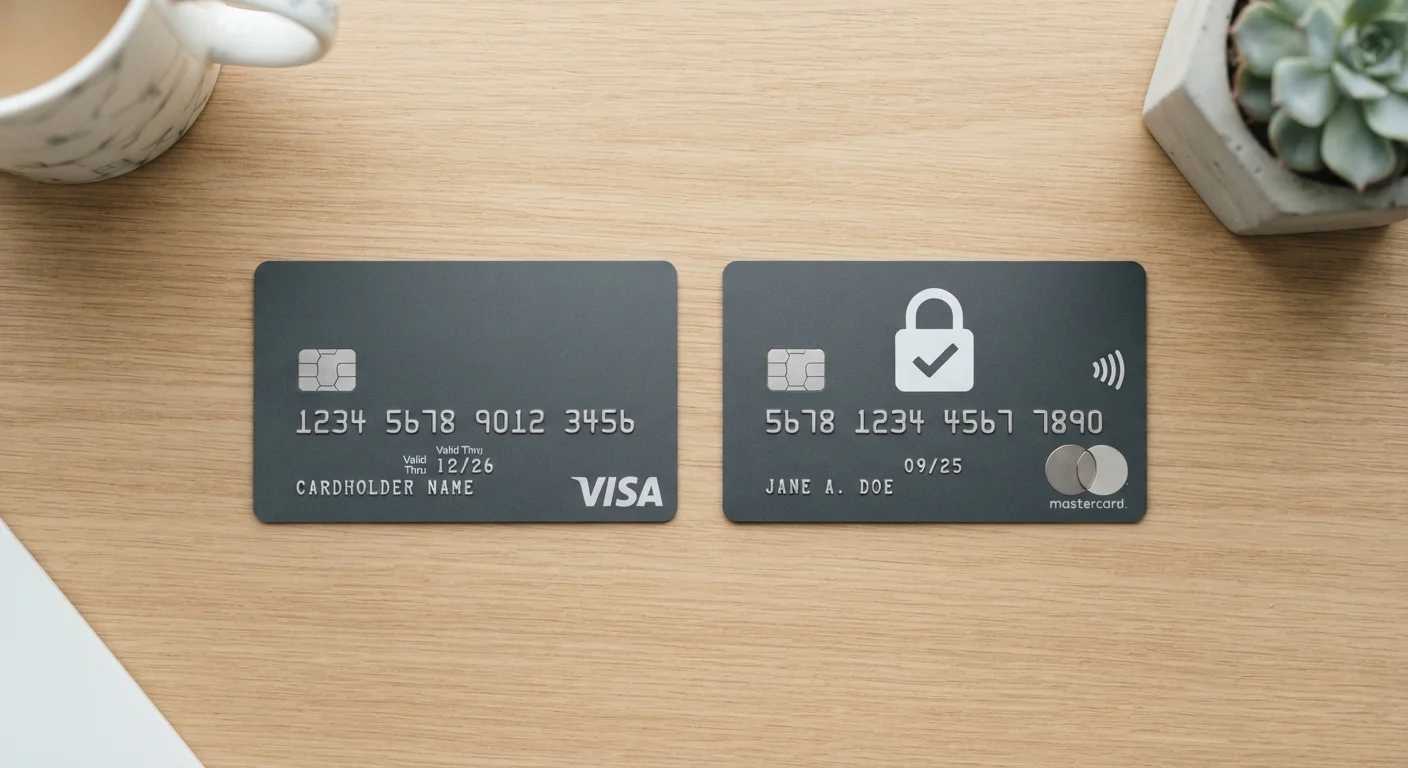
Photo: SummarizedReads.net | Just Read It! editorial
—— In This Article
Key Takeaways
- Secured cards require a cash deposit that typically sets your credit limit; unsecured cards do not.
- Both card types report to the major credit bureaus, meaning both can help build your credit history.
- Secured cards generally carry higher fees and interest rates than comparable unsecured cards.
- Moving from a secured to an unsecured card is a common milestone as your credit score improves.
- Your deposit on a secured card is refundable when you close the account in good standing or graduate to an unsecured card.
What Actually Separates These Two Types of Cards
A secured credit card and an unsecured credit card function the same way during everyday use - you swipe, a transaction posts, and you receive a monthly bill. The fundamental difference lies in what qualifies you to hold one.
With a secured card, you provide a cash deposit upfront - typically ranging from $200 to $500, though limits vary by issuer. That deposit is held as collateral and usually determines your credit limit dollar-for-dollar. The issuer's risk is low because your own money backs the account.
With an unsecured card, no deposit is required. The issuer extends credit based on your credit history, income, and other factors from your application. Because the issuer assumes more risk, approval generally requires a demonstrated track record of responsible borrowing - typically reflected in your credit score. For more on how that score is calculated and what lenders actually see, see our guide to credit scores and credit reports.
| Criterion | Secured Card | Unsecured Card |
|---|---|---|
| Deposit required | Yes - sets your credit limit | No deposit needed |
| Approval difficulty | Easier - low credit OK | Requires established credit |
| Typical credit limit | Equal to deposit amount | Based on creditworthiness |
| Interest rates (APR) | Often higher | Generally lower for good credit |
| Annual fees | Common | Varies; many fee-free options |
| Reports to credit bureaus | Yes (major issuers) | Yes |
| Rewards programs | Rare | Widely available |
| Deposit refund | Yes, when account closed in good standing | N/A |
Costs, Limits, and What to Watch Out For
Secured cards tend to carry higher costs than unsecured cards at comparable credit tiers. Annual fees are common, and interest rates (APR) are often elevated - sometimes significantly. Because the card is designed for credit-building rather than rewards optimization, you should treat it as a tool, not a long-term solution.
~$200
Typical minimum secured card deposit
Most secured card issuers require a minimum deposit in the $200-$300 range, though this varies by institution and product.
12-24 months
Typical credit-building timeline with consistent use
Credit counselors and financial educators generally suggest this timeframe for meaningful score improvement when using a secured card responsibly.
30%
Credit utilization threshold often cited by experts
Keeping your balance below 30% of your credit limit is a widely referenced guideline for protecting your credit score across scoring models.
One cost that catches many people off guard: some issuers charge application fees, processing fees, or monthly maintenance fees on top of the annual fee. Reading the full fee disclosure before opening any card account is essential - this is true for both secured and unsecured cards.
Credit limits on secured cards are constrained by your deposit. Unsecured cards, by contrast, can offer limits that scale with your creditworthiness - a meaningful difference if you need flexibility for larger purchases or want to keep your credit utilization ratio (the percentage of available credit you're using) low. Utilization is a significant factor in most credit scoring models, so a low ceiling on a secured card can make this harder to manage.
Credit Building: How Both Cards Contribute
Here's where secured cards earn their keep: most major issuers report your payment activity to the three national credit bureaus - Equifax, Experian, and TransUnion. That means paying your secured card on time, every month, creates a positive payment history - which is the single largest factor in standard credit scoring models like FICO.
The path for many consumers looks like this: open a secured card → use it for small, manageable purchases → pay the balance in full each month → watch your score improve over 12-24 months → qualify for an unsecured card and recover your deposit.
Unsecured cards contribute to credit building the same way, but they require you to already have enough credit history to qualify. If you're applying and concerned about what happens during that process, our article on hard vs. soft credit inquiries explains what applying actually does to your score.
Not All Secured Cards Graduate Automatically
Some issuers will review your account after a set period - often 12 to 18 months - and automatically upgrade you to an unsecured card if your payment history qualifies. Others require you to apply separately. Before opening a secured card, check the issuer's policy on graduation so you know what to expect and when to ask about it.
It's also worth understanding the long game: once you upgrade from a secured to an unsecured card, you may be tempted to close the secured account. Before you do, consider that account age affects your credit profile. Our overview of the pros and cons of closing an old credit card walks through what's really at stake.
This article is for general informational purposes only and does not constitute personalized financial or credit advice. Consult a qualified financial professional for guidance specific to your situation.

Finance Editorial Team
Finance Editorial Team is the collective byline for our editorial team and contributor network. Articles published under this byline or an editorial pen name are researched, written, and reviewed according to our editorial standards for clarity, consistency, and independence before publication.
View author profile