
Overlanding on a Budget: Train, Bus, and Ferry Travel Across Borders
Ground and sea travel between countries is often overlooked. Explore how overland routes work, what they cost, and where they shine.
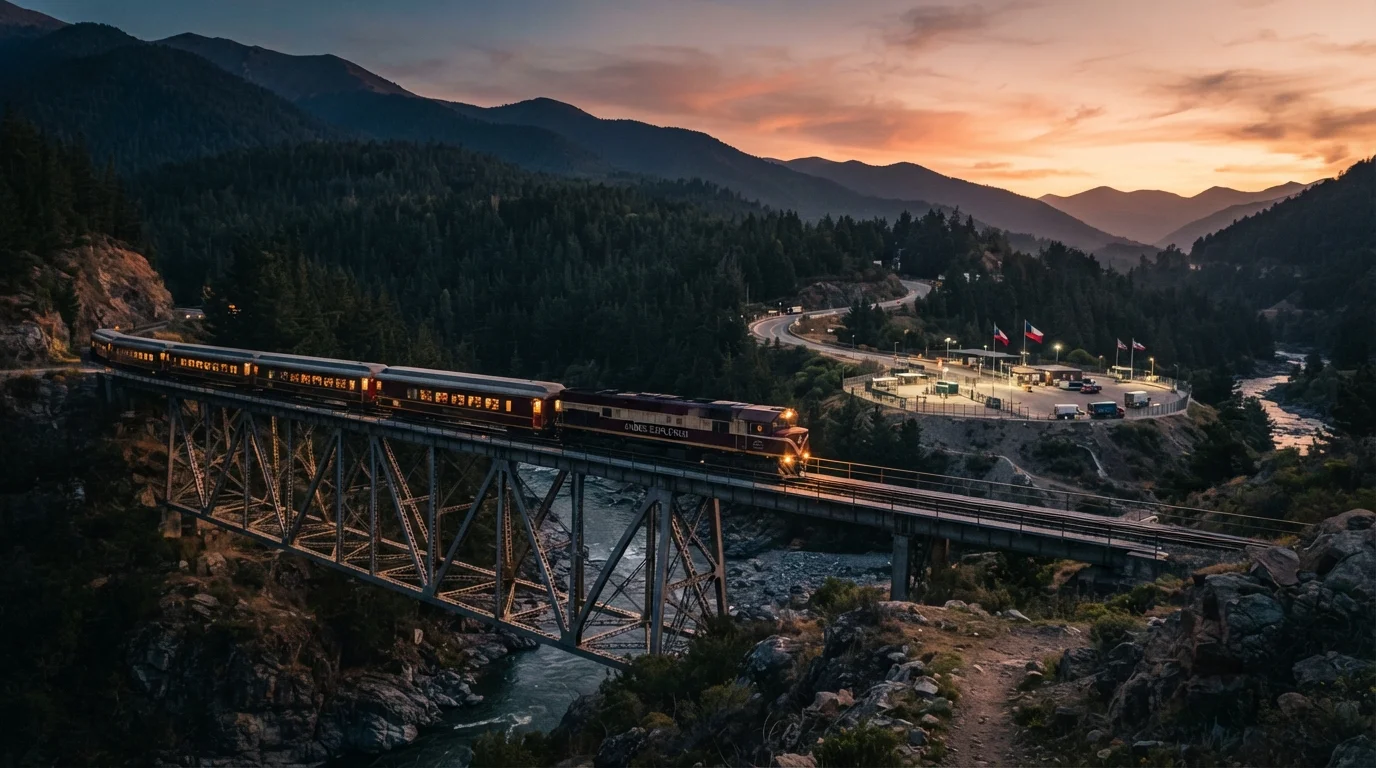
Photo: SummarizedReads.net | Just Read It! editorial
—— In This Article
Key Takeaways
- Overland border crossings by train, bus, or ferry are frequently cheaper than equivalent flights.
- Overnight services on buses and ferries can eliminate a night's accommodation cost.
- Entry requirements, visas, and border crossing hours vary — always verify with official government sources before travel.
- Booking in advance and packing light saves money and reduces stress at land borders.
- Ground travel exposes you to more of a region's landscape and local culture than flying does.
Why Overland Travel Deserves a Spot in Your Budget Plan
Most budget travel articles lead with flights. That's understandable — airfare is often the largest single cost in a trip. But between major cities in regions like Southeast Asia, Central America, Eastern Europe, and southern Africa, ground and sea crossings frequently undercut air travel by a wide margin, sometimes by 80% or more when you factor in airport transfers, checked baggage fees, and the time cost of arriving hours early.
Beyond price, overlanding offers something flights can't: continuous geography. You'll pass through landscapes and towns that aren't on any tourist trail, giving you a more layered sense of a region. For anyone planning a multi-country trip on a tight budget, routing some legs overland rather than by air can free up meaningful funds for lodging, food, and activities at your destination.
That said, overland travel has real trade-offs — longer transit times, variable comfort, and border bureaucracy that can catch unprepared travelers off guard. This guide walks through how to plan and execute an overland crossing efficiently, safely, and affordably.
What you will need
Choosing the Right Mode: Train, Bus, or Ferry
Each mode suits different routes and traveler priorities. Here's a quick framework:
- Trains tend to offer the most comfortable ride, reliable schedules, and scenic value. They work best where rail infrastructure is strong — Europe, Japan, India, and parts of South America. International rail is often bookable weeks in advance through national rail operators.
- Buses are the most flexible and widely available overland option globally. In Central America, Southeast Asia, and the Balkans, cross-border bus services run daily and cost a fraction of flights. Overnight sleeper buses are common and can double as lodging.
- Ferries shine on island-hopping routes and coastal crossings — think Greece to Italy, Malaysia to Indonesia, or Chile's southern fjords. Overnight cabin ferries can replace both transit and a night's accommodation in one booking.
When comparing modes, look at total door-to-door time and total cost — not just the ticket price. A bus that costs $15 but drops you at an inconvenient hub requiring a $20 taxi loses its edge. See our guide to setting a realistic travel budget for a framework on accounting for these hidden costs.
Overnight Services: Transit and Accommodation in One
On routes where overnight buses or cabin ferries are available, you can effectively eliminate one night's accommodation cost. Factor this into your comparison honestly — if a daytime bus costs $10 less but forces you to book a hostel bed, the overnight option may be the stronger value overall. Budget the savings toward food or activities at your destination.
Step-by-Step: Planning and Executing an Overland Border Crossing
Use the steps below as your planning sequence. The order matters — entry requirements should be confirmed before you book anything.
Confirm Entry Requirements for Every Country on Your Route
Before booking any ticket, verify visa and entry requirements for each country you'll pass through — including transit countries where you stop briefly. Requirements vary by passport nationality and change periodically. Use your own government's official travel advisory site and the destination country's embassy or immigration authority website as primary sources.
Map Out Your Crossing Points and Operating Hours
Identify the specific border crossing you'll use — not just the country pair. Look up its operating hours, whether it's open on weekends and public holidays, and any reported wait times during peak periods. Some crossings are only accessible by specific transport types.
Compare and Book Transport in Advance
Search for trains via national rail operators, buses through regional carriers or aggregator sites, and ferries through port authority websites or booking platforms. Compare total journey time, comfort level, and all-in cost. For popular routes, booking 1–3 weeks ahead can secure better seats and lower prices. For flexible routes, booking a few days out is often fine.
Pack Documentation and Border Crossing Essentials
Gather physical and digital copies of your passport, any required visas, onward travel proof (a return or continuation ticket), and accommodation confirmation for your first night in the new country. Some border officers ask for these. Also carry enough local currency for any border fees — ATMs at land crossings are not always reliable.
Navigate the Crossing and Reorient on Arrival
At the border, follow posted signs and your carrier's instructions. Expect to disembark buses for passport control, then reboard — don't leave your belongings unattended. Once through, confirm your onward transport and locate your accommodation before distractions mount. If you arrive at an unfamiliar town, identify a reliable way to your destination (local bus, shared taxi, or pre-arranged pickup) rather than accepting unsolicited offers.
Common Pitfalls and How to Avoid Them
Even well-planned overland trips run into friction. Here are the issues that catch travelers most often:
- Closed or restricted crossings: Not every border shown on a map is open to tourists, and hours vary. Verify the specific crossing point is open to your nationality before booking transport toward it.
- Undisclosed fees at the border: Some crossings charge small entry or departure fees — sometimes in local currency only. Research these in advance and carry a small amount of cash in relevant currencies. Our pre-trip booking checklist includes a prompt for this.
- Missed connections due to delays: Ground travel is more susceptible to delays than flights. Don't book a tight connection on the same day you cross a land border.
- Overcrowded or unreliable operators: Research carriers on travel forums and recent traveler reports. Platforms like seat reservation sites and hostel bulletin boards often carry current, firsthand notes.
For a broader view of where costs accumulate across a full trip, the resource Budget Travel from Departure to Return covers every phase, including transit stages like these.
Border Crossing Conditions Can Change Quickly
Political developments, public health situations, or seasonal closures can affect border crossing availability on short notice. Check travel advisories within 48–72 hours of your planned crossing date, not just when you first book. Build at least one flexible day into your itinerary around every land border crossing so an unexpected delay doesn't unravel the rest of your trip.

Travel Editorial Team
Travel Editorial Team is the collective byline for our editorial team and contributor network. Articles published under this byline or an editorial pen name are researched, written, and reviewed according to our editorial standards for clarity, consistency, and independence before publication.
View author profile