
Getting a Pre-Purchase Inspection: What It Is and Why It Matters
An independent mechanic's inspection before buying a used car can surface problems a history report won't reveal. Here's how it works.
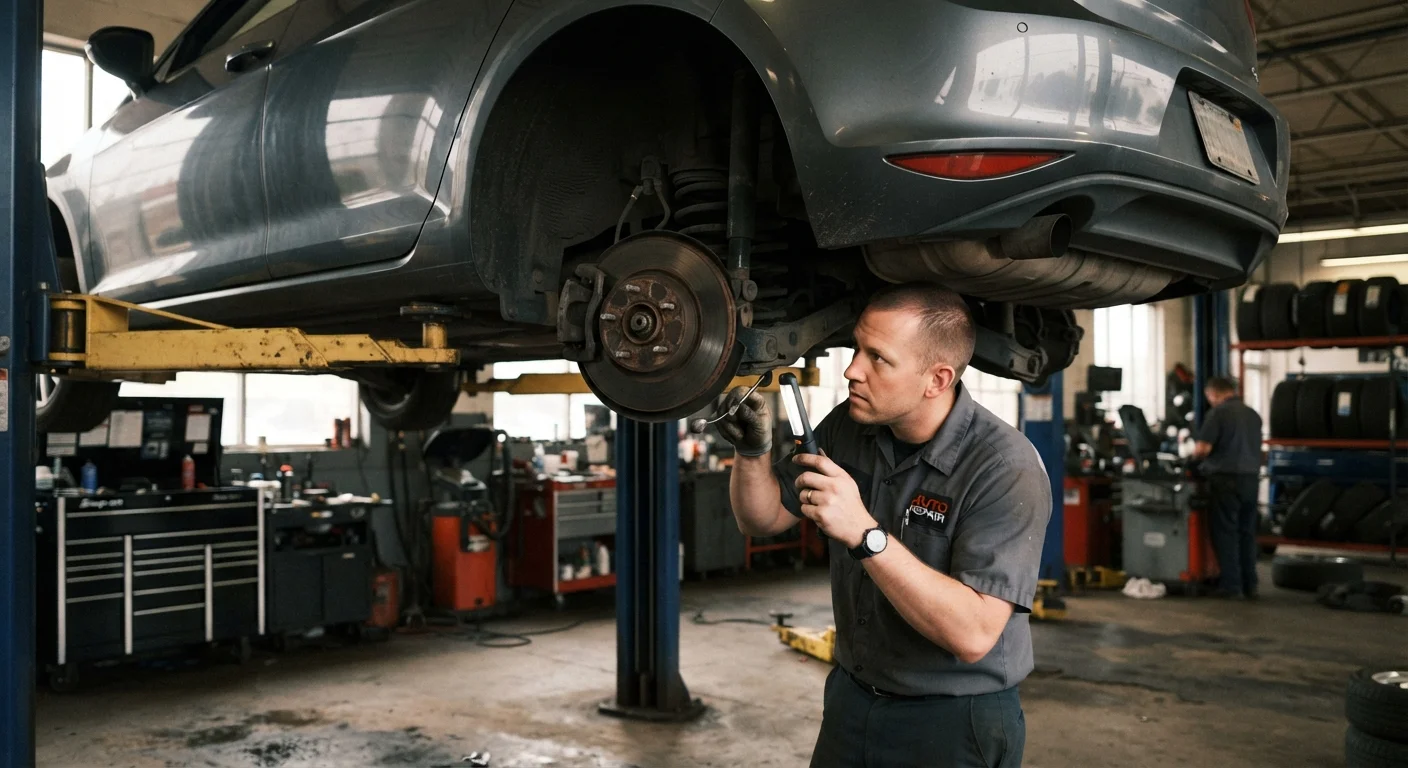
Photo: SummarizedReads.net | Just Read It! editorial
—— In This Article
Key Takeaways
- A pre-purchase inspection (PPI) is performed by an independent mechanic, not the seller's shop.
- A vehicle history report and a PPI serve different purposes - you typically need both.
- Most PPIs cost between $100 and $200 and can surface issues worth thousands in repairs.
- Both private sellers and dealerships can be asked to accommodate an independent inspection.
- The inspection report can be used as a negotiating tool or a reason to walk away.
What a Pre-Purchase Inspection Actually Covers
A pre-purchase inspection (PPI) is a top-to-bottom mechanical evaluation of a used vehicle conducted by a mechanic who works for you, not the seller. It differs meaningfully from a vehicle history report: the history report tells you what was recorded about the car's past; the PPI tells you what the car's physical condition is right now.
A History Report Is Not Enough
Vehicle history reports (sourced from VIN databases) document title events, reported accidents, and odometer readings - but they cannot detect unreported collisions, hidden rust, worn mechanical components, or deferred maintenance. Relying on a history report alone leaves major gaps in what you actually know about the car.
A comprehensive PPI typically examines the engine, transmission, brakes, suspension, steering, cooling system, electrical components, tires, and the undercarriage for rust or collision repair. The mechanic will also run an OBD-II diagnostic scan - a tool that reads fault codes stored in the vehicle's onboard computer - which can reveal issues that aren't visible during a test drive.
If the vehicle you're considering is a certified pre-owned (CPO) model, note that CPO inspections vary widely by manufacturer. Our article on what CPO designation actually guarantees explains what those programmes typically do and don't cover - a PPI can still add value even for CPO vehicles.
What you will need
How to Arrange and Use an Inspection
Follow the steps below to set up your PPI and make the most of what the report tells you.
Identify an independent mechanic
Search for a shop that has no connection to the seller. AAA-approved repair shops, ASE-certified mechanics, and well-reviewed independent garages are reasonable starting points. If the vehicle is located far from you, search for shops near the seller's address. Mobile inspection services also exist in many metro areas and come to the vehicle's location.
Get the seller's agreement
Contact the seller - whether a private individual or a dealership - and ask for permission to have the car inspected at an independent shop. For private sellers, this usually means a test drive to the shop. For dealerships, it may mean arranging a time to take the car off-lot. Most legitimate sellers will agree. Private sellers and dealerships handle this differently - knowing what to expect from each can help you frame the request.
Schedule the inspection appointment
Book the appointment and confirm what the inspection covers. A thorough PPI should include: engine and transmission check, brake inspection, suspension and steering components, fluid levels and condition, tire wear patterns, undercarriage rust or damage, body panel alignment, and an OBD-II scan for stored fault codes. Ask how long the inspection takes - typically 60 to 90 minutes - and whether a written report is provided.
Bring the car to the shop
Accompany the vehicle to the appointment if possible. Being present lets you ask the mechanic questions in real time and see any issues firsthand. If you cannot attend in person, arrange for the mechanic to call you during the inspection to walk through findings verbally before you receive the written report.
Review the written report and decide next steps
Once you have the report, categorize the findings: safety-critical issues (brakes, tires, steering), near-term repairs (items likely to need attention within 12 months), and minor maintenance (fluid changes, wiper blades). Safety-critical findings warrant serious reconsideration. Near-term repair estimates can be used to negotiate the asking price downward. Before you sign anything, review our pre-signing checklist to make sure the paperwork reflects any agreed adjustments.
Ask for the Written Report
Request a written or printed inspection report from the mechanic, not just a verbal summary. A written document lets you review every line item carefully, share it with a knowledgeable friend, and use specific findings in price negotiations. See our guide to reading a mechanic's estimate to understand what each line item means.
After the inspection, your outcome is one of three things: proceed with confidence, negotiate based on documented repair costs, or walk away from a vehicle that carries more risk than the price justifies. Any of those outcomes is a legitimate use of the $100-$200 inspection fee. For ongoing maintenance cost context after you've bought, the Car Maintenance hub covers budget-friendly upkeep strategies.
Never Skip the Independent Mechanic
A seller-provided inspection or a dealership's own service department is not a substitute for a truly independent PPI. The mechanic must have no financial relationship with the seller to give you an unbiased assessment. If a seller refuses to allow any independent inspection, treat that as a significant red flag.
This article is for general informational purposes only and is not a substitute for advice from a qualified automotive professional. Costs and inspection scope vary by location and provider.

Auto Editorial Team
Auto Editorial Team is the collective byline for our editorial team and contributor network. Articles published under this byline or an editorial pen name are researched, written, and reviewed according to our editorial standards for clarity, consistency, and independence before publication.
View author profile