
Why Buyers Often Pay More Than They Planned - and How to Avoid It
Extended warranties, paint protection, and rolled-in fees quietly inflate the final price. Here's what to watch out for.
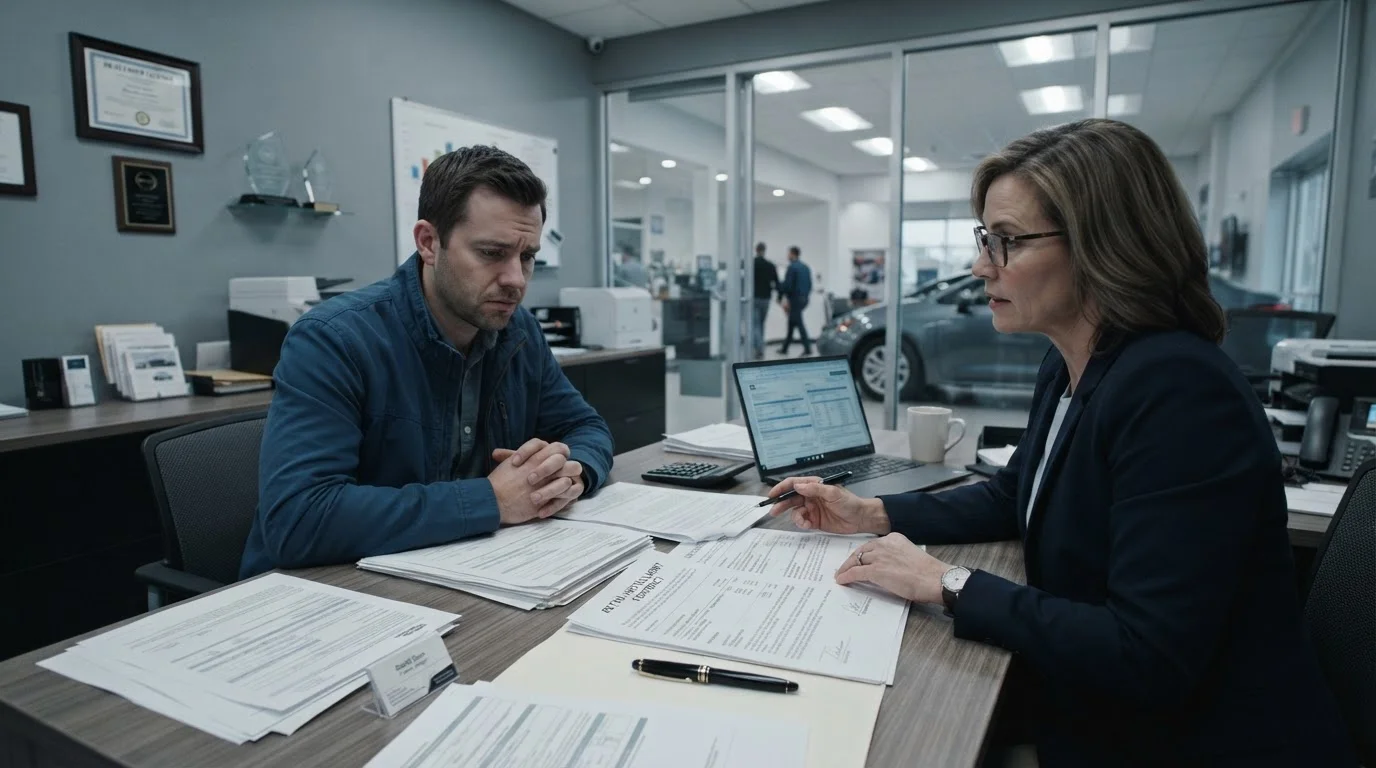
Photo: SummarizedReads.net | Just Read It! editorial
—— In This Article
Key Takeaways
- The sticker price is rarely the final price - fees, add-ons, and financing terms all affect what you actually pay.
- Extended warranties and protection packages offered at the dealership are often negotiable or available elsewhere for less.
- Focusing only on the monthly payment instead of the total loan cost is one of the most common and costly mistakes buyers make.
- Knowing the out-the-door price before signing protects you from last-minute fee surprises in the finance office.
Where the Agreed Price Starts to Grow
A car's sticker price is the beginning of a negotiation, not a summary of what you'll pay. By the time a transaction closes, several layers of cost can be added - some expected, some not. Understanding where these additions typically come from is the first step toward managing them.
Government-mandated costs like sales tax, title fees, and registration are unavoidable. But many other charges that appear on a buyer's order are dealer-set, discretionary, or negotiable. The gap between the price agreed on the floor and the amount shown in the finance office can run into hundreds or thousands of dollars - particularly when add-on products and financing terms are layered in.
This pattern isn't unique to car buying. Discount traps in other retail contexts follow a similar structure: an attractive front-end price obscures costs embedded elsewhere in the transaction. For cars, the finance office is often where that happens.
The Finance Office Can Reopen the Deal
Even after agreeing on a vehicle price with a salesperson, the finance and insurance (F&I) office can introduce new costs through add-on products and loan terms. These are separate negotiations, not formalities. Treat every item presented in the F&I office as optional until you've reviewed it carefully and decided it fits your needs and budget.
The Most Common Mistakes - and How to Sidestep Them
Most cost overruns in car buying come down to a handful of recurring patterns. Each one is understandable in context, but each one is also avoidable with a little preparation.
Focusing on the monthly payment instead of the total purchase price.
Why it happens: Monthly payment figures feel more manageable and are easier to compare to a personal budget, making the overall cost less visible.
Accepting dealer-offered extended warranties without comparison shopping.
Why it happens: These products are presented as essential at a moment when the buyer is already committed, creating pressure to bundle them in.
Paying for paint protection, fabric sealant, or similar dealer-applied packages.
Why it happens: These add-ons are often pre-installed before the buyer arrives, then presented as already included - making refusal feel awkward.
Ignoring documentation fees, dealer prep charges, and other line-item fees.
Why it happens: Buyers are often focused on the vehicle price and assume fees are non-negotiable government charges, which is not always the case.
Trading in a vehicle at the dealership without knowing its independent market value.
Why it happens: Buyers often prefer the convenience of a one-stop transaction and trust the dealer's appraisal without a baseline for comparison.
~$1,000-$2,500
Typical dealer documentation fee range
Documentation fees vary widely by state and dealership; some states cap them while others do not, according to consumer advocacy research.
3-7 years
Common auto loan term lengths today
Longer loan terms have become more common, meaning buyers often pay more in total interest even on lower-cost vehicles, per Federal Reserve consumer credit data.
For a broader look at how common beliefs about car buying can cost money, see common car buying myths. And if you're ready to put this knowledge into practice at the dealership, negotiating approaches that hold up in the showroom walks through sound strategies for keeping the deal in your favor.
Monthly Payment Framing Can Be Misleading
Dealers may present financing options in terms of monthly payment rather than total cost. A lower monthly payment achieved by extending the loan term can mean paying significantly more in interest over time. Always calculate the total amount paid over the full loan period before agreeing to any financing terms.
This article is for general informational purposes only and does not constitute financial or legal advice. Costs, fees, and financing terms vary by dealership, state, and individual circumstances. Consult a licensed financial professional for guidance specific to your situation.

Auto Editorial Team
Auto Editorial Team is the collective byline for our editorial team and contributor network. Articles published under this byline or an editorial pen name are researched, written, and reviewed according to our editorial standards for clarity, consistency, and independence before publication.
View author profile