
Stress and Skin: Understanding the Connection Behind Breakouts and Dullness
Stress doesn't just affect your mood—it shows on your skin. Learn what's happening beneath the surface and which self-care habits can help manage both.
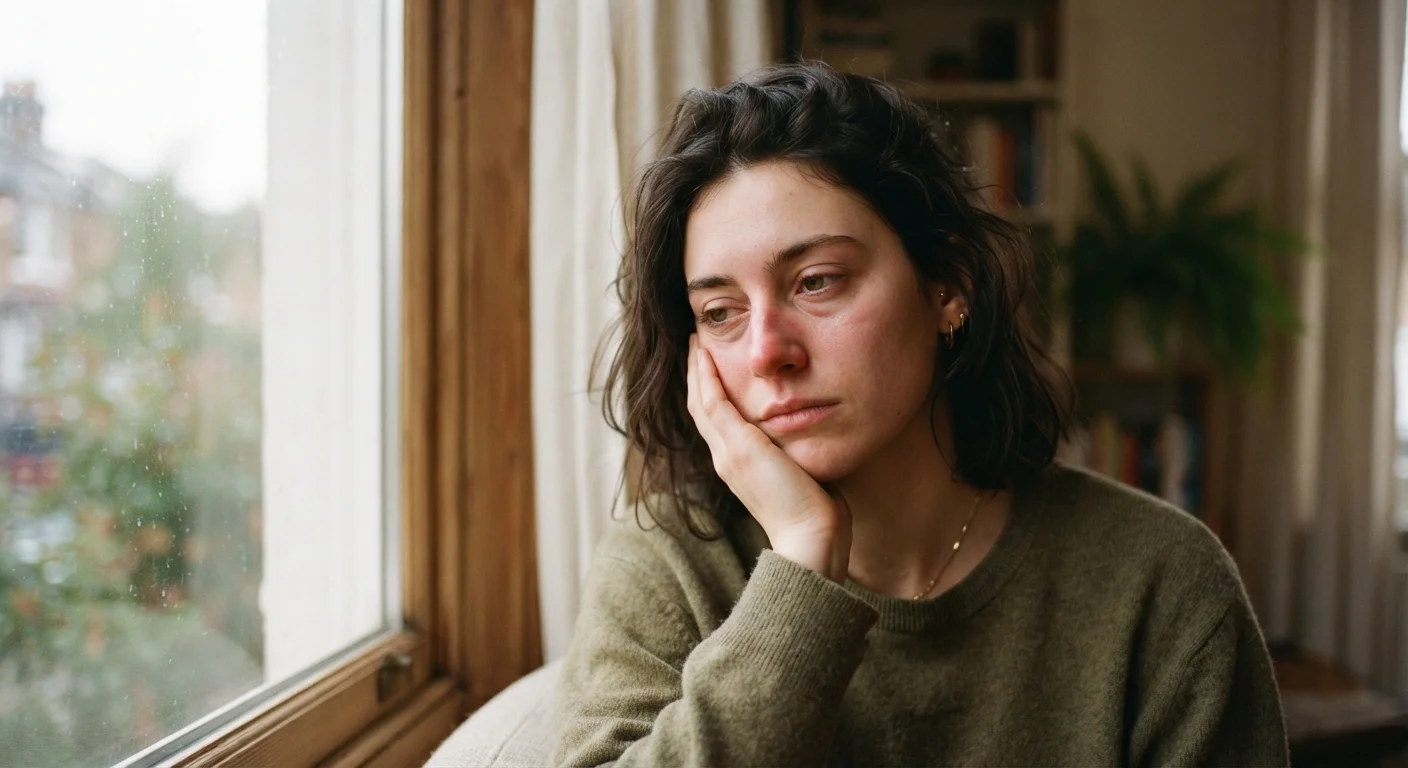
Photo: SummarizedReads.net | Just Read It! editorial
—— In This Article
Key Takeaways
- Stress hormones like cortisol directly increase oil production and skin inflammation.
- Chronic stress weakens the skin barrier, making it harder for skin to retain moisture.
- Sleep quality is a major - and underrated - factor in how stress affects skin appearance.
- Consistent low-cost habits like adequate hydration and gentle routines often outperform expensive products.
- Managing stress at the source is as important as any skincare product for improving skin health.
- Persistent or severe skin reactions to stress may warrant guidance from a dermatologist.
What Stress Actually Does to Your Skin
When your brain perceives a threat - whether it's a work deadline or a difficult conversation - your body releases stress hormones, primarily cortisol and adrenaline. These hormones evolved to prepare you to respond quickly to danger, not to keep your complexion clear. Understanding why stress feels so physical helps explain why skin is often one of the first places it shows up.
Cortisol, in particular, has several direct effects on skin:
- Increased sebum production: Cortisol signals oil glands to ramp up activity, which can clog pores and trigger breakouts.
- Inflammation: Stress promotes inflammatory pathways throughout the body, which can worsen existing conditions like acne, psoriasis, eczema, and rosacea.
- Impaired barrier function: The skin barrier - the outermost protective layer - becomes less effective under chronic stress, leading to moisture loss and heightened sensitivity.
- Dullness: Reduced circulation and disrupted cell turnover can leave skin looking flat and fatigued.
These aren't cosmetic quirks. They're the skin's visible response to an internal state, and no serum can fully override what's happening hormonally.
Stress Skin vs. Other Causes
Not every breakout or bout of dullness is stress-related. Diet, hormonal fluctuations, product reactions, and environmental factors also affect skin. Stress is one significant variable among several, which is why it helps to look at patterns - for example, whether skin consistently worsens during high-stress periods - rather than attributing every change to stress automatically.
Sleep: The Most Underestimated Skin Factor
Stress and poor sleep form a self-reinforcing cycle: stress makes it harder to sleep, and poor sleep raises cortisol - which further stresses the skin. During deep sleep, the body undergoes repair processes, including collagen synthesis and cellular regeneration. Chronically poor sleep disrupts these processes, which shows up as persistent dullness, puffiness, and slower recovery from breakouts.
Most dermatologists point to consistent sleep as a foundational element of skin health - often more impactful than a premium skincare product. Prioritizing 7-9 hours of sleep per night (the range the American Academy of Sleep Medicine associates with adult health) is one of the lowest-cost, highest-return habits you can adopt for your skin. See our guide to consistent habits that support long-term skin health for practical ways to build this into a busy schedule.
Wind-Down Routines Serve Double Duty
A brief, consistent bedtime routine - dimming lights, avoiding screens 30 minutes before bed, and applying a simple moisturizer - can lower cortisol and signal to the body that it's time to recover. It supports both sleep quality and skin barrier repair simultaneously, with no extra cost.
Low-Cost Habits That Help Both Stress and Skin
The most effective stress-skin interventions are usually the least glamorous - and the most affordable. Dermatologists and mental health researchers tend to agree on a core set of practices that address both concerns simultaneously.
~40%
Adults reporting stress-related skin symptoms
Surveys by the American Psychological Association have consistently found a substantial portion of adults report physical symptoms - including skin changes - linked to chronic stress.
7-9 hrs
Recommended nightly sleep for adults
Per the American Academy of Sleep Medicine - the range most consistently associated with physical and cognitive recovery in adults.
Movement: Even moderate exercise - a 20-minute walk - reduces circulating cortisol and improves skin circulation. You don't need a gym membership.
Hydration: Chronic stress is dehydrating, and well-hydrated skin is more resilient. Plain water is effective; you don't need specialty drinks.
Simplify your routine: When skin is stressed and reactive, adding more products often backfires. A simple three-step routine (gentle cleanser, moisturizer, SPF) lets skin stabilize without additional irritation. Our skincare on a tight budget guide explains which products are genuinely necessary.
Mindful moments: Brief breathing exercises or short meditation sessions have been shown in research to lower cortisol levels. Apps, free videos, and even simple timed breathing (inhale 4 counts, exhale 6) require no investment.
For a broader view of what research supports across skin and mental wellbeing, see the self-care habits dermatologists and psychologists actually agree on.
When to Talk to a Dermatologist
Self-care practices can meaningfully reduce stress-related skin symptoms, but they have limits. If you're experiencing persistent, severe, or painful skin flare-ups - especially if they're affecting your quality of life - a board-certified dermatologist can assess whether an underlying condition needs medical attention. Stress frequently exacerbates diagnosable conditions like acne vulgaris, seborrheic dermatitis, and psoriasis, all of which have evidence-based treatment options beyond lifestyle adjustments.
This article provides general information about the stress-skin relationship and is not a substitute for professional medical or dermatological advice. If you're unsure whether your skin concerns are stress-related or something else, a qualified healthcare provider is the right starting point.
Explore how skin, sleep, stress, and movement interact as part of a complete self-care approach that fits real life and a realistic budget.
This article is for informational purposes only and does not constitute medical or dermatological advice. Consult a qualified healthcare professional for concerns about your skin or health.
Frequently Asked Questions

Beauty Editorial Team
Beauty Editorial Team is the collective byline for our editorial team and contributor network. Articles published under this byline or an editorial pen name are researched, written, and reviewed according to our editorial standards for clarity, consistency, and independence before publication.
View author profile