
Skincare on a Tight Budget: Separating the Essentials from the Extras
You don't need a ten-step routine to have healthy skin. This guide helps you identify which products are genuinely necessary and which are optional.
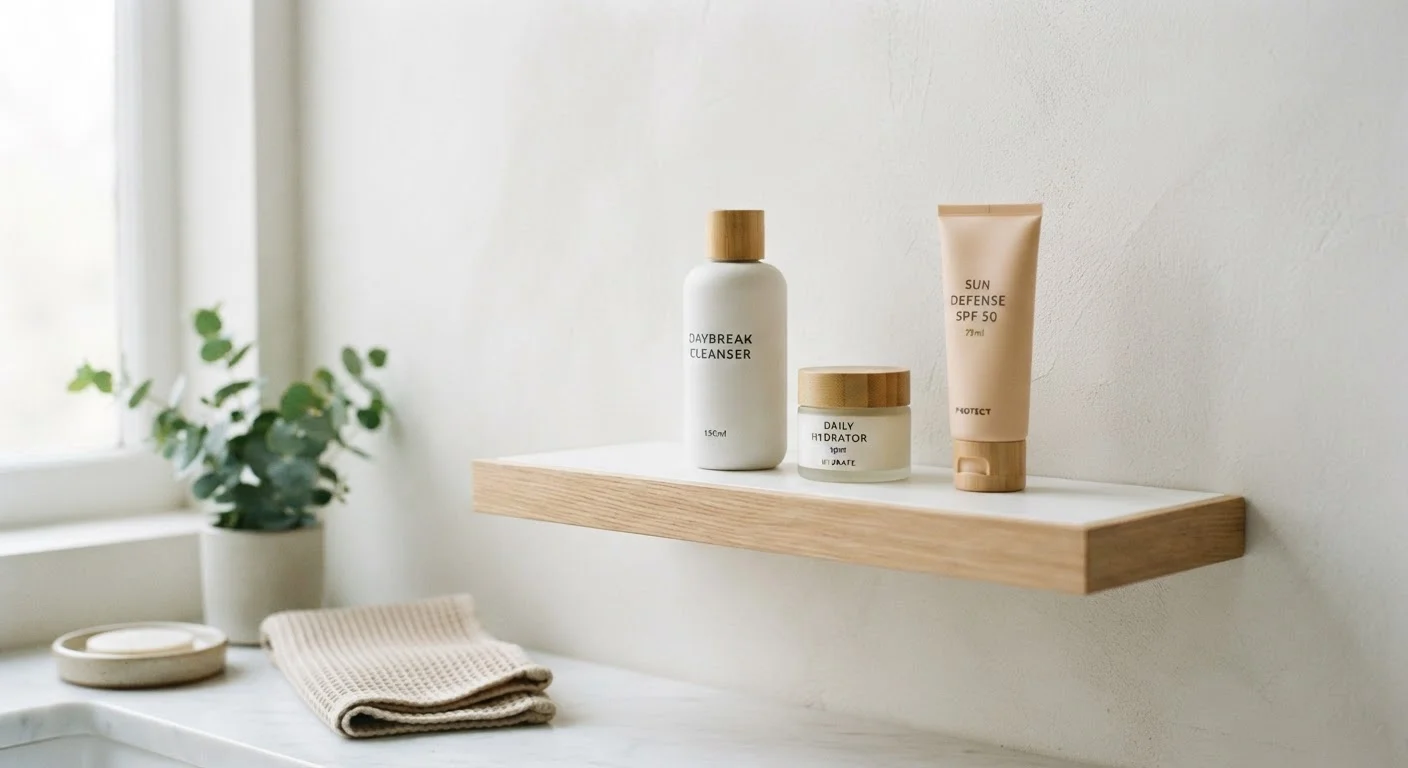
Photo: SummarizedReads.net | Just Read It! editorial
—— In This Article
Key Takeaways
- A three-product routine - cleanser, moisturizer, and SPF - covers the core needs of most skin types.
- Sunscreen is the single most evidence-backed anti-aging and protective skincare step available.
- Many extra steps (toners, essences, eye creams) are optional and often redundant for budget shoppers.
- Ingredients like niacinamide and ceramides deliver real results and appear in affordable formulas.
- Consistency matters more than product count - a simple routine used daily outperforms a complex one used sporadically.
Why Simpler Routines Often Work Better
The skincare industry profits from complexity. New steps, new categories, new "must-have" products appear constantly - and the cumulative cost adds up fast. But dermatologists regularly note that layering too many products can do more harm than good, disrupting the skin barrier and making it harder to identify what's actually helping.
The good news: healthy skin doesn't require a ten-step routine. It requires a few well-chosen steps done consistently. If you've ever felt overwhelmed by your bathroom shelf, that's a signal - not that you need more products, but that you may need fewer. Our skincare routine audit is a useful starting point for evaluating what you already own and what's earning its place.
3
Products needed for a functional routine
Dermatologists consistently identify cleanser, moisturizer, and SPF as the core essentials for most skin types.
80%
Of premature skin aging linked to UV exposure
Research published in dermatology literature attributes roughly 80% of visible facial aging to cumulative sun exposure.
4-6 weeks
Minimum time to assess a new routine
Skin cell turnover averages approximately 28 days, meaning meaningful results typically require at least one full cycle of consistent use.
The Three Non-Negotiables
Strip any routine down to its foundation and three steps remain: cleansing, moisturizing, and sun protection. These aren't arbitrary - each one serves a distinct, evidence-supported function.
Cleanser
Cleansing removes dirt, excess oil, and environmental pollutants that accumulate on skin throughout the day. A gentle, pH-balanced cleanser is sufficient for most people. Harsh cleansers that leave skin feeling tight or squeaky-clean are often over-stripping the skin barrier. See why over-cleansing harms your barrier for more on this. Cleansing once daily - in the evening - is adequate for most skin types; a simple water rinse in the morning works well for many people.
Moisturizer
Moisturizers support the skin barrier by reducing water loss and maintaining hydration. The right formula depends on your skin type - a lightweight lotion for oily skin, a richer cream for dry or sensitive types. If you're unsure where you fall, this breakdown of skin types can help you identify your needs clearly.
Sunscreen
Daily SPF is the most evidence-backed anti-aging step in skincare - full stop. UV exposure is the leading environmental cause of premature skin aging and skin cancer risk. An SPF of 30 or higher, applied every morning, is sufficient for daily use. Learn more about daily sun protection and what SPF numbers actually mean.
Sunscreen Is Not Optional
Daily sunscreen use isn't a luxury - it's the highest-impact protective step in any skincare routine. UV exposure contributes to both premature aging and increased skin cancer risk over time, and its effects are cumulative. Skipping SPF while investing in serums and treatments is a common and costly mismatch of priorities. Apply a broad-spectrum SPF 30 or higher every morning, even on cloudy or indoor-heavy days.
What You Can Safely Skip (At Least to Start)
Once the core three are in place, everything else is optional - at least for a budget-conscious, simplified routine. Here's an honest look at common additions:
- Toners: Originally designed to restore pH after alkaline cleansers, modern gentle cleansers largely make toners redundant. Some toners with active ingredients (like niacinamide or AHAs) do add value, but a plain toner is generally unnecessary. See what each routine step is actually doing for context.
- Eye creams: The skin around the eye is thinner, but a well-formulated facial moisturizer applied carefully around the eye area typically performs comparably. Eye creams are among the highest-markup products in skincare.
- Essences and serums: Not useless - some serums deliver targeted active ingredients effectively - but they're an add-on, not a foundation. Start with the basics before adding actives.
- Face mists: Mostly comfort products. They don't meaningfully hydrate skin on their own.
- Exfoliating scrubs: Physical scrubs can micro-tear skin. If exfoliation is a goal, chemical exfoliants (AHAs, BHAs) are gentler and more effective - but still optional for a starter routine.
A Useful Rule for New Products
Introduce one new product at a time and wait at least two weeks before adding another. This makes it straightforward to identify what's helping - or causing irritation - without having to guess which of three new products is the culprit. It also prevents unnecessary spending on products before you know how your skin responds.
Ingredients That Punch Above Their Price
When you're ready to add a targeted treatment, a few ingredients offer meaningful results without requiring premium pricing. These appear in many affordable formulas and have solid research behind them.
When evaluating a new moisturizer or serum, check the first five ingredients on the label - they make up the bulk of the formula. If a key active appears near the bottom of a long list, its concentration is likely too low to make a meaningful difference.
Cosmetic formulas list ingredients in descending order of concentration. A beneficial ingredient listed fifteenth on a twenty-ingredient label is present in only trace amounts.
Fragrance - listed as 'parfum' or 'fragrance' - is one of the most common causes of skincare irritation, especially for sensitive skin. Choosing fragrance-free formulas can dramatically reduce the risk of reactions without sacrificing effectiveness.
Dermatologists frequently cite fragrance as a leading contact allergen in skincare products, and fragrance-free alternatives are widely available at every price point.
- Niacinamide (Vitamin B3): Supports the skin barrier, helps regulate sebum production, and can reduce the appearance of uneven tone over time. Widely available at low price points. Learn how it compares to other actives in our guide to retinol vs. niacinamide.
- Ceramides: Lipids naturally found in skin that help maintain the moisture barrier. Look for them in moisturizers - especially useful for dry or sensitive skin types. Our skincare ingredient glossary defines these and other common label terms.
- Glycerin: A humectant (water-attracting ingredient) found in nearly every affordable moisturizer. Highly effective and well-tolerated.
- Retinoids (with caution): Over-the-counter retinol supports cell turnover and has decades of research behind it - but should be introduced slowly. See how to introduce actives without irritation before starting.
Building Your Routine Without Overspending
A functional routine can realistically cost very little per month. The key is resisting the pressure to buy more than you need before you've established what works for your skin.
Start with just the three core products. Use them consistently for four to six weeks before evaluating. Consistency is what produces results - not product volume. Our guide to consistent skincare habits explains why routine reliability matters more than ingredient lists.
Apply in the right order. Cleanser → moisturizer → SPF (morning). Cleanser → moisturizer (evening). Layering correctly also maximizes what each product can do. See why product order matters.
Consider multipurpose products. A moisturizer with SPF built in, for example, eliminates one step without sacrificing protection - though standalone SPFs generally offer more reliable coverage.
If you're building from absolute scratch, this bare-bones routine guide walks through every decision step by step. And for anyone thinking about homemade alternatives, our DIY vs. store-bought comparison gives an honest assessment of both approaches.
This article is for general informational purposes only and does not constitute medical or dermatological advice. If you have a skin condition or persistent concerns, consult a qualified healthcare professional or board-certified dermatologist.

Beauty Editorial Team
Beauty Editorial Team is the collective byline for our editorial team and contributor network. Articles published under this byline or an editorial pen name are researched, written, and reviewed according to our editorial standards for clarity, consistency, and independence before publication.
View author profile