
Skin Types Decoded: Oily, Dry, Combination, and Sensitive Explained
Not sure what your skin type actually is? This reference breaks down the four main skin types, their traits, and what each needs from a routine.
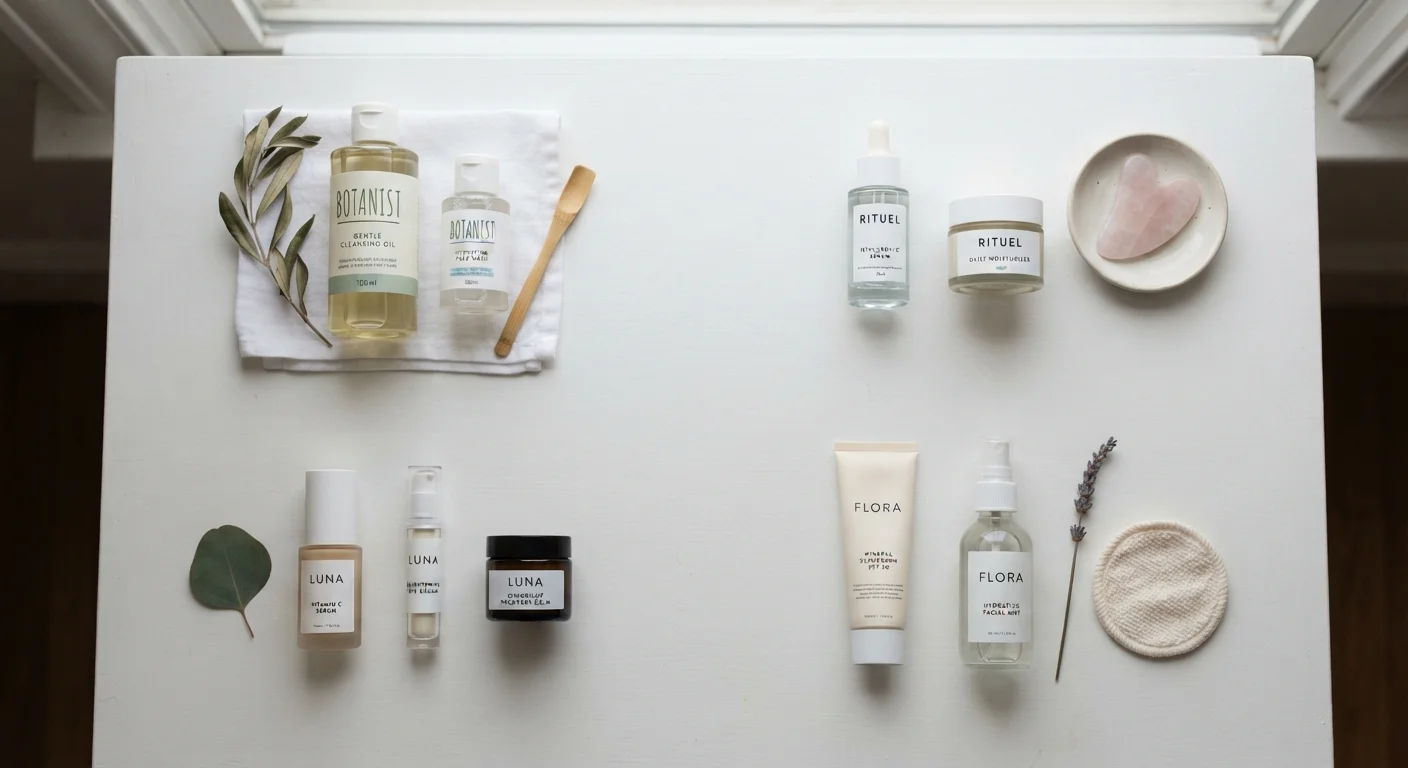
Photo: SummarizedReads.net | Just Read It! editorial
—— In This Article
Why Skin Type Identification Matters
Walk into any drugstore and you'll find shelves organized around skin types - oily, dry, combination, sensitive. But if you've ever bought a product labeled for your supposed type and found it made things worse, you're not alone. Skin typing isn't about finding a perfect category; it's a starting framework that helps you avoid mismatched products and wasted money.
Skin type is largely determined by how much sebum (natural oil) your sebaceous glands produce, along with your skin barrier's ability to retain moisture. Genetics, hormones, climate, and age all influence both. Your skin type can also shift over time - what felt oily at 22 may trend drier by your 40s.
This reference breaks down each major type plainly: what it looks and feels like, what typically goes wrong, and what it needs most from a routine. For a deeper look at which products are genuinely worth buying, see Skincare on a Tight Budget.
| Most common skin type | Combination (American Academy of Dermatology) |
| Primary driver of skin type | Sebum (oil) production by sebaceous glands |
| Can skin type change? | Yes - hormones, age, climate, and medications can all shift it |
| Sensitive skin classification | A reactivity profile, not a sebum-production category |
| Does oily skin need moisturizer? | Yes - all skin types benefit from appropriate moisturization (American Academy of Dermatology) |
| Key identification method | The bare-face test: observe skin 1 hour after gentle cleansing |
The Four Main Skin Types at a Glance
Oily Skin
Oily skin produces excess sebum across the face - most noticeably in the T-zone (forehead, nose, chin), but often across the cheeks too. Pores tend to appear larger. Makeup may slide or fade faster. Breakouts and clogged pores are more common because excess oil can mix with dead skin cells and block follicles.
What it needs: Lightweight, non-comedogenic (non-pore-blocking) formulas. Gentle cleansers that remove excess oil without stripping the skin - over-stripping can actually trigger more oil production as the skin tries to rebalance. Oily skin still needs moisturizer; look for gel or fluid textures. See Moisturiser Myths for a full explanation of why.
Dry Skin
Dry skin produces less sebum than average and has a reduced ability to retain moisture. It often feels tight, rough, or flaky - particularly after cleansing or in cold or low-humidity environments. Fine lines may appear more pronounced due to surface dehydration.
What it needs: Richer, barrier-supporting formulas containing ingredients like ceramides, shea butter, or glycerin. A gentle, cream-based cleanser that doesn't foam aggressively. Limiting very hot showers (heat disrupts the skin barrier) also helps. Understanding the difference between hydration and moisture retention is key - Skin Hydration vs. Moisturisation explains this well.
Combination Skin
Combination skin is exactly what it sounds like: some areas are oily (typically the T-zone) while others are normal or dry (typically the cheeks and jaw). This is actually the most common skin type, though it's often misidentified as purely oily or purely dry depending on the season.
What it needs: Balanced products that don't over-treat either zone. Some people manage combination skin with a single, moderate-weight moisturizer applied all over. Others use targeted products - a lighter gel on the T-zone and a richer cream on the cheeks. Neither approach is wrong; it depends on how pronounced the difference is.
Sensitive Skin
Sensitive skin isn't technically a sebum-production type - it's a reactivity profile. It describes skin that flushes, stings, itches, or breaks out more readily in response to products, temperature changes, or environmental triggers. It can occur alongside oily, dry, or combination skin.
What it needs: Shorter ingredient lists, fragrance-free formulas, and gradual introduction of new products (patch test first). Common irritants to watch for include alcohol, synthetic fragrance, and certain preservatives. If your skin regularly reacts to standard products, consulting a dermatologist can help identify whether an underlying condition like rosacea or eczema is involved.
Sebum
The natural oily substance produced by sebaceous glands in the skin. It helps protect and lubricate skin, but overproduction contributes to shine, clogged pores, and breakouts.
Skin barrier
The outermost protective layer of the skin (stratum corneum) that locks in moisture and keeps irritants out. A damaged or weakened barrier leads to dryness, sensitivity, and increased reactivity.
Non-comedogenic
A label used for products formulated to avoid blocking pores. Particularly relevant for oily and acne-prone skin, though the term is not formally regulated.
Ceramides
Lipid molecules that occur naturally in the skin barrier. In skincare, they are used as ingredients to help repair and reinforce the barrier, reducing moisture loss - especially beneficial for dry and sensitive skin.
T-zone
The forehead, nose, and chin area of the face, which tends to have a higher concentration of sebaceous glands. The T-zone is often oilier than the rest of the face in combination skin types.
Patch test
Applying a small amount of a new product to a discreet area of skin (such as the inner forearm or behind the ear) and waiting 24-48 hours to check for any adverse reaction before using it more broadly.
Putting It Into Practice
Knowing your skin type helps most when it informs product selection rather than rigid rule-following. A few practical principles apply regardless of type: always use SPF daily, never skip moisturizer (even if oily), and patch-test anything new on a small area before applying it widely.
Ingredient literacy is also a worthwhile investment. Ingredients Worth Knowing decodes the most common actives on skincare labels - useful when you're deciding whether a product is actually suited to your type or simply marketed that way.
This article is for general informational purposes only and does not constitute medical or dermatological advice. If you have persistent skin concerns or reactions, consult a qualified dermatologist.
The Bare-Face Test: A Simple Starting Point
To get a clearer read on your skin type, wash your face with a gentle, unfragranced cleanser, skip all other products, and wait 60-90 minutes. Then examine how your skin looks and feels. Shiny all over suggests oily; tight or flaky suggests dry; shiny only in the center with comfortable cheeks suggests combination. This is a starting observation, not a clinical diagnosis.

Beauty Editorial Team
Beauty Editorial Team is the collective byline for our editorial team and contributor network. Articles published under this byline or an editorial pen name are researched, written, and reviewed according to our editorial standards for clarity, consistency, and independence before publication.
View author profile