
Moisturiser Myths: What Hydration Actually Does for Your Skin
Do oily skin types need moisturiser? Can a cream shrink pores? This article separates common moisturiser misconceptions from what the evidence shows.
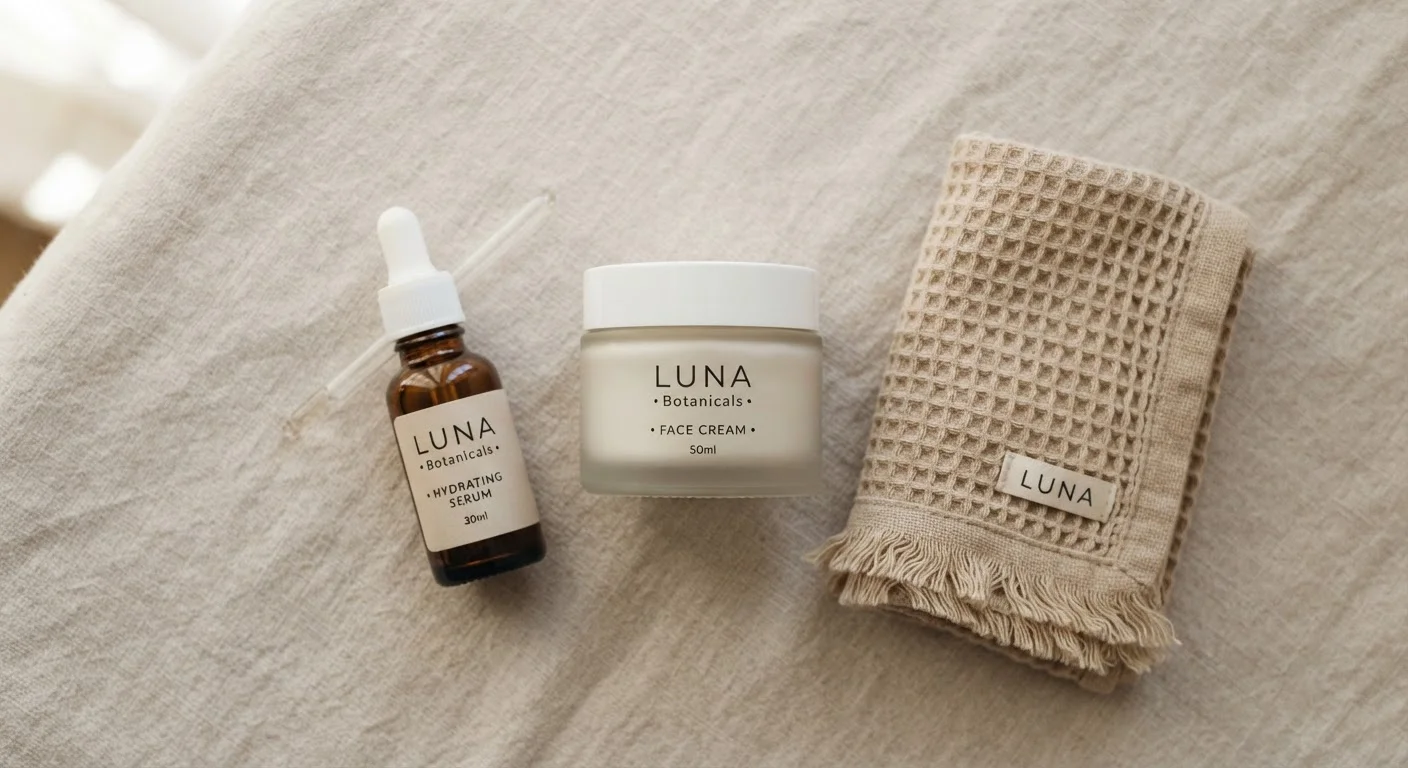
Photo: SummarizedReads.net | Just Read It! editorial
—— In This Article
Key Takeaways
- Oily skin still needs moisturiser - skipping it can make oil production worse.
- No moisturiser can permanently shrink pores; pore size is largely determined by genetics.
- Hydration and moisturisation are distinct processes that work best together.
- Drinking more water alone does not significantly improve skin surface hydration.
- Fragrance-free formulas are generally better tolerated, especially for sensitive skin types.
Why Moisturiser Myths Persist
Skincare marketing is dense with claims - "pore-minimising," "deep hydration," "locks in moisture for 48 hours." When language is designed to sell rather than inform, myths fill the gaps. Understanding what moisturisers actually do - at a biological level - makes it easier to sort evidence from hype and spend money only on what genuinely helps your skin.
This article addresses the most common moisturiser misconceptions directly, drawing on dermatology consensus and ingredient science. For a deeper look at why hydration and moisturisation aren't the same thing, see our article on the difference between skin hydration and moisturisation.
Myth
Oily skin doesn't need moisturiser - applying one will just make skin greasier.
Fact
Oily skin needs moisturiser. Skipping it can signal the skin to produce even more sebum to compensate for a compromised barrier.
Sebum production and surface hydration are controlled by different mechanisms. When the skin barrier is dry or disrupted, the skin may increase oil output in an attempt to self-protect. A lightweight, non-comedogenic (formulated to not clog pores) moisturiser helps maintain barrier function without adding heaviness. Gel-based or water-based formulas are generally well tolerated by oilier skin types.
Myth
A good moisturiser can shrink your pores.
Fact
No topical product can permanently reduce pore size. Pores don't open and close like doors - their size is primarily determined by genetics and skin structure.
Pores appear larger when they are clogged with sebum and debris, or when surrounding skin loses elasticity. Some moisturisers contain ingredients like niacinamide that may help reduce the appearance of pores over time by improving skin texture and reducing excess oil - but this is a visual improvement, not a structural one. Any product claiming to "shrink" pores is using imprecise language.
Myth
Drinking more water gives you plumper, better-hydrated skin.
Fact
While adequate hydration supports overall health, drinking extra water beyond normal intake does not directly translate to measurably improved skin surface hydration in people who are already adequately hydrated.
Skin hydration is primarily regulated by the skin barrier itself, not by how much water you drink. Research indicates that only people who are clinically dehydrated see meaningful improvements in skin hydration from increased water intake. For most people, topical moisturisers are far more effective at improving the feel and appearance of dry skin than increasing fluid consumption.
Myth
Moisturisers cause dependency - your skin will stop hydrating itself if you use one regularly.
Fact
There is no evidence that regular moisturiser use reduces the skin's natural ability to retain moisture. The skin barrier does not become "lazy" with topical support.
This myth likely emerged from a misunderstanding of how the skin barrier functions. Moisturisers do not replace barrier function - they support it. For people with chronic dry skin or conditions like eczema, consistent moisturiser use is a recommended part of barrier management, not a crutch. Stopping moisturiser use will simply return skin to its baseline state, not leave it worse than before.
Myth
More expensive moisturisers are more effective because they use better ingredients.
Fact
Price is not a reliable indicator of formula efficacy. Many affordable moisturisers contain the same clinically studied ingredients as luxury options.
Ingredients like glycerin, hyaluronic acid, ceramides, and petrolatum have robust evidence supporting their effectiveness and appear across a wide price range. What you're often paying for in premium products is packaging, fragrance, marketing, and brand positioning - not meaningfully superior performance. Dermatologists frequently note that a basic, fragrance-free drugstore moisturiser can outperform a costly scented alternative for barrier repair.
What the Evidence Actually Supports
The skin barrier - the outermost layer of the epidermis - is the target of any effective moisturiser. It functions like a biological wall, regulating water loss and keeping irritants out. Moisturisers work by supporting that barrier through three ingredient classes: humectants (which attract water), emollients (which soften and smooth), and occlusives (which seal moisture in). Understanding this trio helps cut through label confusion.
~50%
Of adults report experiencing dry or sensitive skin
Estimates from dermatology literature suggest roughly half of adults experience some degree of dry or sensitive skin, making barrier-supportive moisturiser use broadly relevant.
3 types
Core moisturiser ingredient classes
Dermatologists categorise moisturising ingredients into three functional types - humectants, emollients, and occlusives - each with a distinct role in supporting the skin barrier.
For a practical breakdown of these ingredient classes, our guide on lotion ingredients worth understanding explains what to look for without requiring a chemistry background. Similarly, when and how you apply moisturiser matters more than most people realise - application right after showering on slightly damp skin improves ingredient absorption meaningfully.
Fragrance Can Be a Hidden Irritant
Both synthetic and natural fragrances are among the most common causes of contact dermatitis from skincare products. If your skin is sensitive, reactive, or prone to redness, choosing a fragrance-free moisturiser reduces the risk of irritation. 'Unscented' is not the same as fragrance-free - some unscented products contain masking fragrances. Check the ingredient list directly.
This article is for general informational and educational purposes only. It does not constitute medical or dermatological advice. If you have a skin condition, persistent irritation, or concerns about your skin health, consult a qualified dermatologist or healthcare professional.

Beauty Editorial Team
Beauty Editorial Team is the collective byline for our editorial team and contributor network. Articles published under this byline or an editorial pen name are researched, written, and reviewed according to our editorial standards for clarity, consistency, and independence before publication.
View author profile