
Ingredients Worth Understanding Before You Buy a Body Lotion
Humectants, emollients, occlusives—what these terms mean and how they work together to keep skin moisturised.
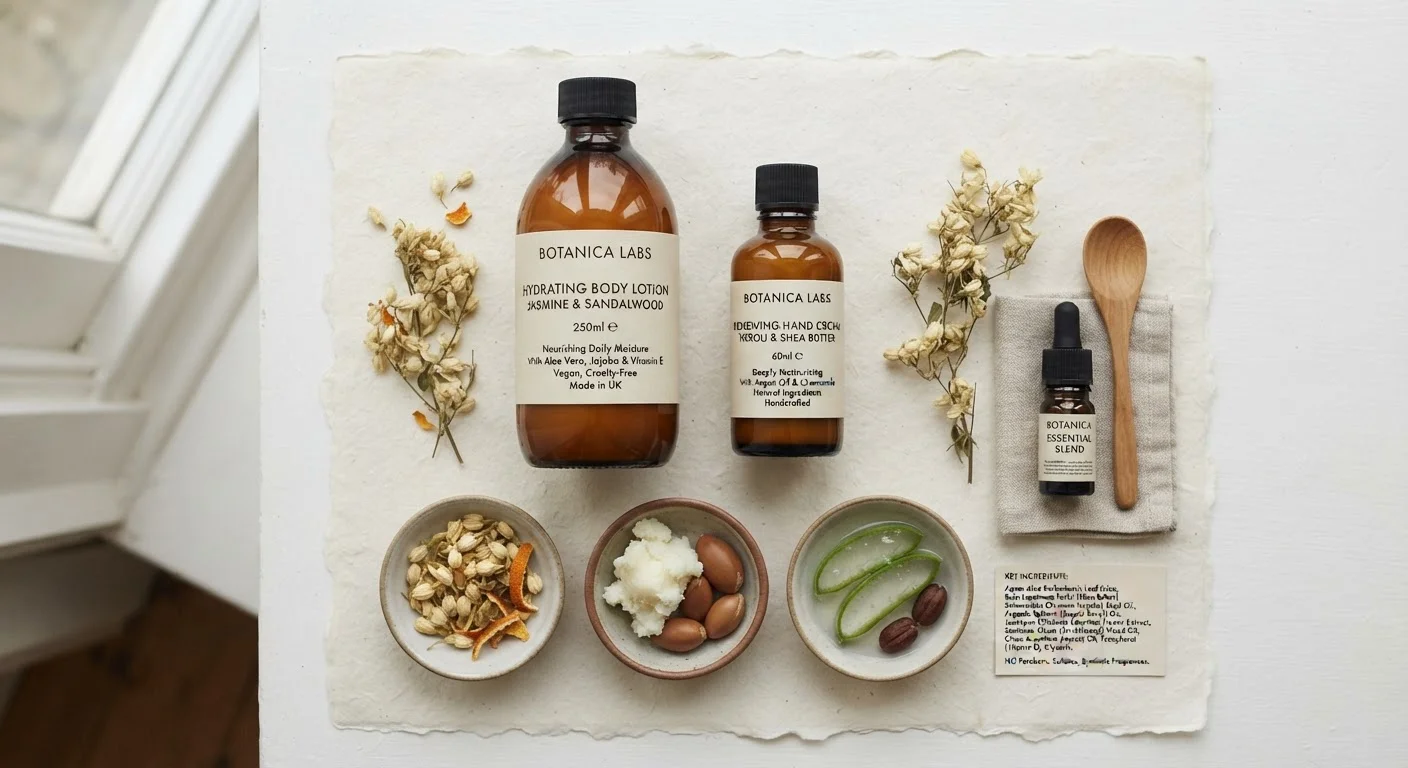
Photo: SummarizedReads.net | Just Read It! editorial
—— In This Article
Why the Ingredient List Tells You More Than the Label
Marketing words like "intensive," "nourishing," or "deep moisture" don't appear in any regulatory standard - they mean whatever a brand decides they mean. The ingredient list, however, is regulated in the US by the FDA and must follow a standardised format called INCI naming. That list, typically printed in small type on the back or bottom of the packaging, is where the real information lives.
Body lotions are primarily water-based formulas that deliver moisturising agents to the skin's surface. They work through three main functional categories: humectants, emollients, and occlusives. Understanding what each category does helps you evaluate any formula - from a drugstore basic to a pricier specialty product - without being swayed by claims. For a broader look at how hydration and moisturisation differ, see how hydration and moisturisation differ.
The Three Ingredient Categories and What They Do
Humectants: Water Attractors
Humectants pull water toward the skin. Glycerin is the most widely used, found in almost every affordable lotion. Hyaluronic acid, urea, and panthenol are others worth recognising. On dry days or in low-humidity climates, humectants can draw moisture from deeper skin layers if the environment offers little, which is why they pair best with an occlusive to seal what they attract.
Emollients: Texture and Barrier Smoothers
Emollients fill in the microscopic gaps between skin cells, creating a smoother surface and improving softness. Plant oils (sunflower, jojoba, squalane), shea butter, and fatty alcohols like cetearyl alcohol all function as emollients. They're often what makes a lotion feel pleasant to apply.
Occlusives: The Seal
Occlusives sit on top of skin and slow transepidermal water loss (TEWL) - the passive evaporation of water through the skin. Petrolatum is the most effective studied occlusive; dimethicone (a silicone) and beeswax are common alternatives. Heavier occlusives can feel greasy, which is why many lotions use them in small percentages balanced with lighter emollients.
No Single Ingredient Does Everything
Most effective body lotions combine ingredients from all three moisture categories - humectants, emollients, and occlusives - because each plays a different role. A formula heavy on humectants alone may feel temporarily hydrating but could allow moisture to evaporate quickly. Looking for a combination on the label is more reliable than seeking out one star ingredient. This is also why very inexpensive lotions with a balanced formula can outperform pricier single-ingredient products.
To get the most from whichever ingredients a formula contains, application timing matters as much as the product itself. See why post-shower timing is critical for practical guidance.
Key Ingredients to Recognise on a Label
Ceramides deserve particular mention: they're a functional skin-barrier ingredient that has moved from prescription formulas into over-the-counter lotions. While they're more expensive to produce than glycerin or petrolatum, their presence in a formula - even at modest concentrations - may help support skin that feels persistently dry or reactive. For a complete ingredient reference covering both face and body products, this plain-language skincare glossary is a useful companion resource.
You can also explore more ingredient-aware routines in The Budget-Friendly Body Care Handbook, which connects ingredient knowledge to everyday habits and affordable choices.
This article provides general skincare education and is not a substitute for personalised advice from a dermatologist or licensed healthcare provider. If you have a skin condition or persistent symptoms, consult a qualified professional.

Beauty Editorial Team
Beauty Editorial Team is the collective byline for our editorial team and contributor network. Articles published under this byline or an editorial pen name are researched, written, and reviewed according to our editorial standards for clarity, consistency, and independence before publication.
View author profile