
The Budget-Friendly Body Care Handbook: Ingredients, Habits, and Smart Choices
A comprehensive resource covering skin types, ingredients, daily habits, and affordable routines for lasting body care results.
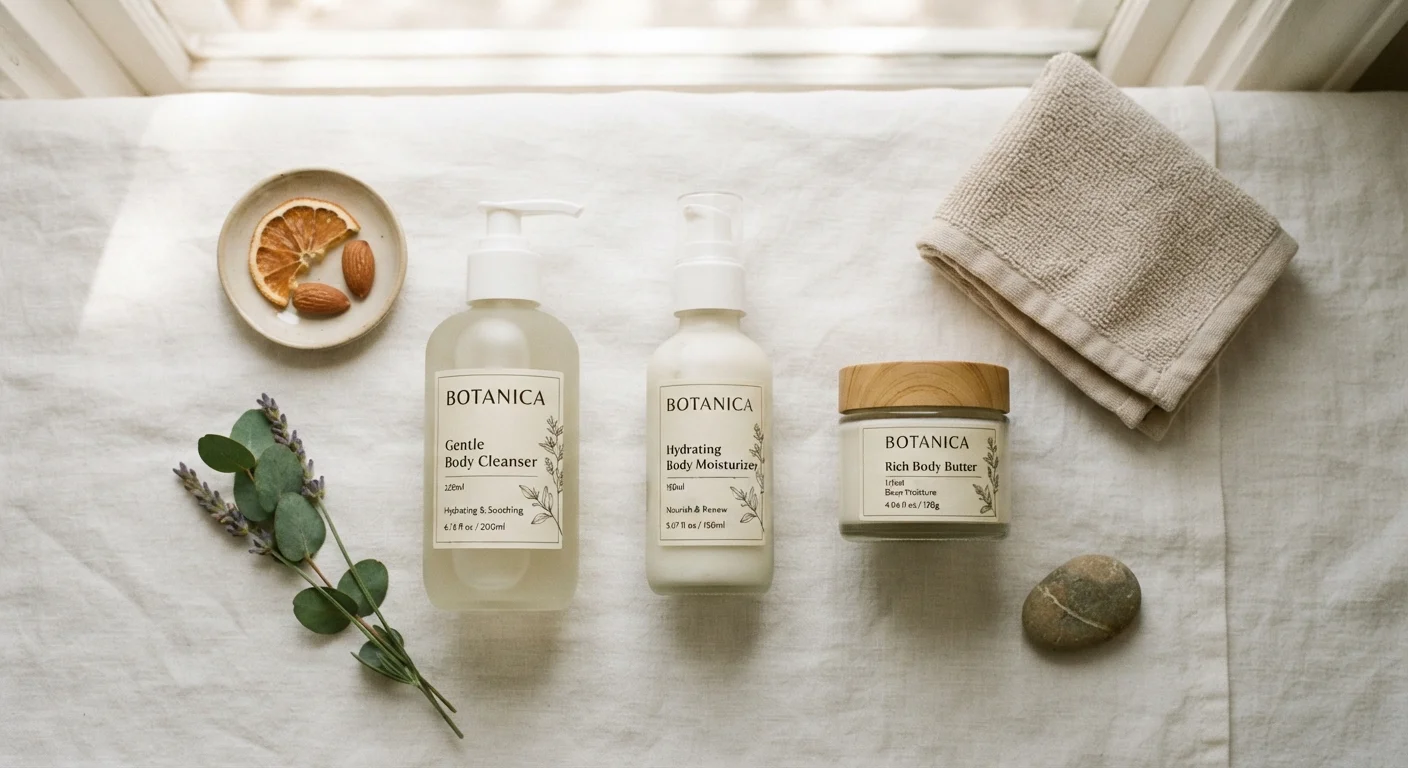
Photo: SummarizedReads.net | Just Read It! editorial
—— In This Article
Key Takeaways
- Skin type determines which ingredients to prioritize - not price tag.
- A handful of well-chosen ingredients outperform a cabinet full of trendy products.
- Consistent daily habits like moisturizing after bathing deliver measurable skin improvement.
- Fragrance-free, single-purpose products reduce irritation risk and stretch your budget further.
- Buying fewer, more versatile products reduces both waste and overall spending.
Why Body Care Doesn't Have to Be Expensive
The body care industry is a crowded market that thrives on complexity. New launches, multi-step systems, and prestige packaging can make it seem like healthy skin requires significant spending. It doesn't. Dermatologists consistently point to a short list of habits and ingredients - most of them inexpensive - as the foundation of skin health.
This guide cuts through the noise. Whether you're starting from scratch or streamlining an existing routine, it covers what your skin actually needs, which ingredients are worth seeking out, and how to spend less without sacrificing results. For broader context on building sustainable habits without overspending, see our beginner self-care framework.
~$200+
Average annual spend on body care products
Industry surveys suggest U.S. consumers spend well over $200 annually on body care, much of it on products with duplicative or unproven ingredients.
3 min
Window to apply moisturizer after bathing
Dermatologists widely recommend applying moisturizer within three minutes of bathing to lock in surface moisture before it evaporates.
SPF 30
Minimum recommended daily sun protection
The American Academy of Dermatology recommends broad-spectrum SPF 30 or higher for all exposed skin, applied daily regardless of season.
Understanding Your Skin Type
Choosing the right products starts with understanding your skin. Body skin is generally categorized as normal, dry, oily, combination, or sensitive. Each type responds differently to ingredients and formulations.
- Dry skin feels tight, may flake, and benefits most from occlusive and humectant-rich moisturizers.
- Oily skin on the body (common on the chest and back) benefits from lighter, non-comedogenic formulations.
- Sensitive skin reacts easily to fragrance, dyes, and harsh surfactants - fragrance-free is the safest default.
- Normal skin tolerates a wider range of formulas but still benefits from consistent moisture and sun protection.
You don't need a professional assessment to figure out your skin type. Pay attention to how your skin feels a few hours after bathing with no products applied - tightness signals dryness, shine or breakouts suggest oiliness, and discomfort or redness often points to sensitivity.
When in doubt about your skin type, start with a fragrance-free, lightweight moisturizer - it's the safest default for virtually every skin type and won't exacerbate sensitivity or breakouts.
Fragrance is one of the most common triggers for contact dermatitis, and a lightweight formula avoids the pore-clogging risk that heavier creams carry for oily or acne-prone skin.
Layer your moisturizer strategically: apply a humectant-rich lotion first to damp skin, then seal with a thin layer of a heavier occlusive like petrolatum on the driest spots only.
This technique, sometimes called "sandwich moisturizing," is backed by dermatologists for addressing clinically dry skin without requiring expensive specialty products.
Ingredients That Actually Work
Effective body care comes down to a short list of well-researched ingredients. Understanding what these do helps you shop with confidence rather than relying on marketing claims.
- Humectants
- These draw water into the skin. Glycerin and hyaluronic acid are common, affordable examples found in many drugstore moisturizers.
- Emollients
- These smooth and soften skin by filling in gaps between skin cells. Shea butter, squalane, and plant oils are effective emollients.
- Occlusives
- These form a barrier that slows moisture loss. Petrolatum (petroleum jelly) is one of the most effective and least expensive occlusives available.
- Exfoliants
- Chemical exfoliants like lactic acid and urea gently dissolve dead skin cells, improving texture without physical scrubbing. Urea is especially useful for rough patches and is available in pharmacy-brand lotions.
For guidance on applying these same principles to your face, our bare-bones skincare guide walks through ingredient priorities step by step.
Fragrance Is the Most Overlooked Irritant
Added fragrance - both synthetic and "natural" - is one of the most common causes of allergic contact dermatitis and skin irritation. This applies to body washes, lotions, and scrubs. If your skin reacts frequently to products, switching to fragrance-free formulations across your entire routine is one of the most effective first steps you can take. Always patch-test new products on a small area of skin before full use.
Daily Habits That Cost Almost Nothing
Habits often outperform products. Several evidence-supported practices require little or no spending:
- Moisturize within three minutes of bathing. Applying moisturizer to damp skin traps water and significantly improves hydration compared to applying it to dry skin - a technique widely recommended by dermatologists.
- Use lukewarm water. Hot showers strip the skin's natural lipid barrier. Slightly cooler water is gentler and causes less moisture loss.
- Pat, don't rub, dry. Rough toweling creates micro-friction. Patting preserves more surface moisture for your moisturizer to lock in.
- Stay hydrated. While drinking water won't directly cure dry skin, general hydration supports overall skin function.
- Wear SPF on exposed skin. Sun protection on areas like the arms, neck, and chest is one of the most impactful things you can do for long-term skin health - and broad-spectrum sunscreens are available at accessible prices.
For a fuller look at habit-based skincare, see consistent habits that support long-term skin health.
Building a Minimal, Effective Body Routine
A practical body care routine doesn't need more than three to four products. Here's a stripped-down structure that covers the essentials:
- Cleanser: A gentle, fragrance-free body wash or bar soap. Look for sulfate-free options if your skin is sensitive or prone to dryness.
- Moisturizer: A lotion or cream containing at least one humectant and one emollient. For very dry skin, an occlusive layer on top (applied to slightly damp skin) dramatically improves results.
- Exfoliant (2-3 times weekly): A lactic acid or urea-based lotion applied to rough areas like elbows, knees, and heels.
- Sunscreen: A broad-spectrum SPF 30 or higher for exposed skin, applied as part of your morning routine.
Keeping it minimal also reduces waste. Our low-waste body care guide explores how fewer products can actually mean better results. If you're also building a hair routine, this beginner hair and body guide covers both areas together.
Start With Just Two Products
If you're building a routine from scratch, begin with only a gentle cleanser and a fragrance-free moisturizer. Use them consistently for two to four weeks before adding anything else. This approach lets you observe how your skin responds and prevents the common mistake of over-attributing changes to the wrong product.
Smart Shopping Without Overspending
Spending less on body care is largely about shopping with criteria rather than impulse. A few principles help:
- Read the ingredient list, not the label. Marketing language like "nourishing," "renewing," or "luxurious" is unregulated. The ingredient list tells you what's actually in the product.
- Choose fragrance-free where possible. Added fragrance is a leading cause of contact dermatitis and also adds cost. Fragrance-free products often serve sensitive and non-sensitive skin equally well.
- Prioritize multi-use formulas. A glycerin-rich body lotion, for example, can double as a hand cream. A gentle fragrance-free cleanser may work for both body and face.
- Buy larger sizes of products you use daily. Per-ounce cost drops significantly with bigger containers of everyday staples like moisturizer and body wash.
Thinking about your body care spend as part of a broader budget is a useful frame. Our personal budgeting overview offers tools for allocating spending across all your priorities. And if you're looking at your skincare budget specifically, separating skincare essentials from extras is a useful companion read.
"Natural" Doesn't Always Mean Gentle
Essential oils, citrus extracts, and certain plant botanicals are marketed as natural alternatives but can cause significant skin irritation or photosensitivity in some people. Don't assume an ingredient is safe for your skin because it's plant-derived. When trying any new product, do a patch test on the inner arm for 24-48 hours before applying it broadly.
This article is for general informational purposes only and does not constitute medical or dermatological advice. If you have a skin condition, persistent irritation, or concerns about your skin health, consult a qualified healthcare professional.

Beauty Editorial Team
Beauty Editorial Team is the collective byline for our editorial team and contributor network. Articles published under this byline or an editorial pen name are researched, written, and reviewed according to our editorial standards for clarity, consistency, and independence before publication.
View author profile