
Your First Solid Hair and Body Care Routine, From the Ground Up
New to building a consistent routine? This beginner-friendly guide covers the core steps for both hair and body care without the overwhelm.
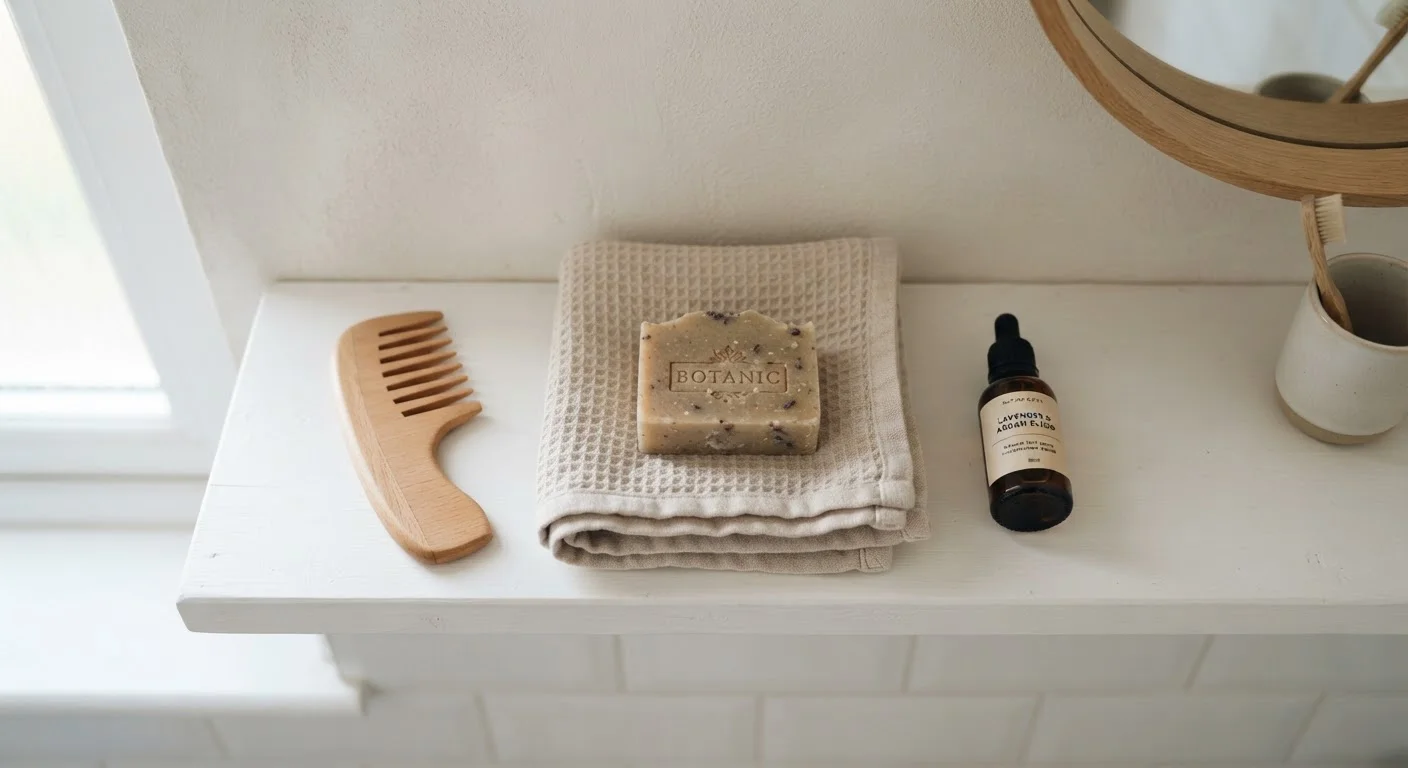
Photo: SummarizedReads.net | Just Read It! editorial
—— In This Article
Key Takeaways
- A consistent routine of just a few steps beats an elaborate one you never follow through on.
- Body care basics - cleansing, moisturizing, and sun protection - address most common skin concerns.
- Hair care frequency depends on your hair type, not a universal daily-washing rule.
- You can build an effective hair and body routine without spending a lot of money.
- Small, repeatable habits compound into visible results over weeks, not days.
Why a Routine Matters (and Why Simple Wins)
Starting a hair and body care routine from scratch can feel overwhelming - the beauty aisle alone offers hundreds of options. But research in dermatology consistently points to the same truth: consistency with a few well-chosen steps outperforms an elaborate routine you follow irregularly. If you are starting from zero, simple is not a compromise - it is the strategy.
A dependable routine protects your skin barrier, prevents dryness and irritation, and keeps your scalp and hair in better condition over time. It also saves money, because you stop buying products on impulse and start buying what you actually use. For a broader look at building habits that genuinely stick without a big budget, see our beginner self-care starter framework.
Skin barrier
The outermost layer of skin that keeps moisture in and irritants out. A healthy barrier feels comfortable and resilient; a damaged one may feel tight, red, or prone to sensitivity.
Humectant
An ingredient that draws water from the environment or deeper skin layers into the outer skin. Common examples include glycerin and hyaluronic acid.
Emollient
An ingredient that softens and smooths the skin by filling gaps in the skin barrier. Shea butter and plant oils are well-known emollients.
Broad-spectrum SPF
A sunscreen that protects against both UVA and UVB rays. 'Broad-spectrum' on the label means the product covers both types of UV radiation.
Sulfate-free shampoo
A shampoo made without harsh detergents called sulfates. Often gentler on color-treated, dry, or chemically processed hair.
Scalp type
Whether your scalp tends to be oily, dry, balanced, or sensitive - similar to facial skin type. Knowing yours helps you choose the right shampoo.
The Core Body Care Steps
Effective body care comes down to three non-negotiable steps: cleanse, moisturize, and protect.
Cleansing
Use a gentle, fragrance-free body wash or bar soap daily on sweat-prone areas (armpits, groin, feet) and every one to two days elsewhere. Over-washing strips the skin's natural oils, which can trigger dryness and irritation. Lukewarm water is less drying than hot.
Moisturizing
Apply a body lotion or cream within two to three minutes of showering, while skin is still slightly damp. Look for formulas containing ingredients like glycerin, shea butter, or ceramides - these are well-studied humectants and emollients that help retain moisture. Avoid heavily fragranced products if your skin tends toward sensitivity.
Sun Protection
Broad-spectrum SPF is not just a face product. Apply a broad-spectrum SPF 30 or higher to any skin not covered by clothing when spending time outdoors. This single step is one of the most evidence-supported ways to maintain healthy skin over time. For a more detailed breakdown of ingredients and habits, the Budget-Friendly Body Care Handbook is a practical next read.
Moisturize While Skin Is Still Damp
The two-to-three minute window after a shower is when moisturizer is most effective. Damp skin absorbs and seals in hydration better than completely dry skin. Keep your lotion within arm's reach of where you towel off to make this step effortless to maintain.
Building Your Basic Hair Care Routine
Hair care is more personal than body care because hair type, scalp condition, and texture vary widely. Still, the foundational steps are straightforward.
Shampoo: Less Is Often More
Choose a shampoo that matches your scalp - not just your hair length. An oily scalp benefits from a clarifying or balancing formula; a dry or sensitive scalp does better with a moisturizing, sulfate-free option. Focus the shampoo on your scalp and roots, and let it rinse through the ends rather than scrubbing the length.
Conditioning
Conditioner is applied to the mid-lengths and ends of hair - not the scalp, where it can weigh hair down or contribute to buildup. Leave it on for one to two minutes before rinsing. Those with very fine hair may prefer a lightweight spray conditioner instead of a rinse-out formula.
Drying and Detangling
Wet hair is more fragile than dry hair. Pat (do not rub) hair with a towel, and use a wide-tooth comb to detangle from the ends upward to avoid breakage. If you use heat tools, a heat-protectant product can help reduce damage - but air-drying when possible is the simplest and most hair-friendly option.
Once you have a routine in place, the Weekly Hair Care Audit is a helpful tool to spot any gaps and fine-tune your habits over time.
Avoid Over-Washing Your Hair
Washing hair too frequently can strip the scalp of its natural oils, potentially leading to dryness, irritation, or compensatory oil overproduction. Start with every two to three days and observe how your scalp responds before deciding to wash more or less often. There is no universal daily-washing rule.
Putting It All Together: Your Weekly Schedule
Here is a straightforward framework for combining both routines into a manageable weekly rhythm:
| Frequency | Hair Care | Body Care |
|---|---|---|
| Daily | Detangle gently; protect from heat if styling | Cleanse key areas; moisturize; SPF on exposed skin |
| Every 2-3 days | Shampoo and condition (adjust to scalp type) | Full-body cleanse with gentle wash |
| Weekly | Deep condition or hair mask if needed | Exfoliate body skin once (optional) |
This is a starting point, not a prescription. Adjust based on how your skin and hair respond over two to four weeks. If you want to eventually pare back further and simplify your shelf, the low-waste body care guide offers practical ideas for doing more with fewer products.
This article is for general informational purposes only and is not a substitute for advice from a qualified dermatologist or healthcare professional. Individual skin and hair conditions vary; consult a professional if you have persistent concerns.
Frequently Asked Questions

Beauty Editorial Team
Beauty Editorial Team is the collective byline for our editorial team and contributor network. Articles published under this byline or an editorial pen name are researched, written, and reviewed according to our editorial standards for clarity, consistency, and independence before publication.
View author profile