
Weekly Hair Care Audit: Are You Covering the Basics?
A practical checklist to review your current hair care habits, spot gaps, and make small adjustments that add up over time.
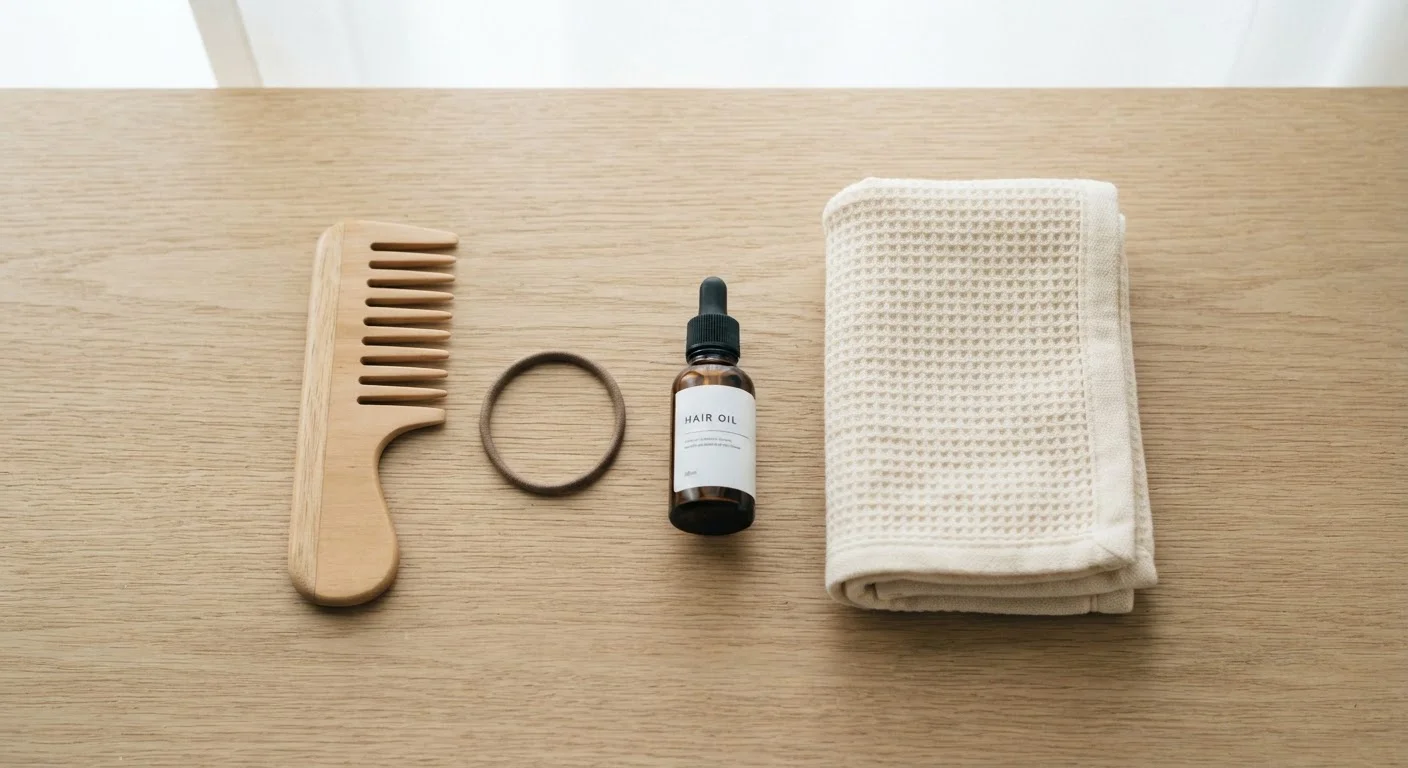
Photo: SummarizedReads.net | Just Read It! editorial
—— In This Article
Key Takeaways
- Most hair problems stem from a handful of overlooked basics, not missing products.
- Washing frequency, water temperature, and detangling technique have a measurable impact on hair health.
- Your hair's needs shift with seasons, stress levels, and changes in diet - periodic audits help you catch drift.
- Scalp health is foundational; neglecting it affects the hair you grow from the root.
- Small, consistent adjustments tend to outperform expensive product swaps.
Why a Weekly Hair Audit Is Worth Five Minutes
Hair care routines are easy to set on autopilot - and even easier to quietly neglect. You keep buying the same products, washing on the same days, and wonder why results feel inconsistent. A brief weekly check-in isn't about adding steps; it's about making sure the steps you already take are actually doing their job.
This checklist is part of a broader habit of routine self-review. If you've already tried something similar with your skin, you'll recognize the format - the skincare routine audit follows the same logic: catch gaps before they compound into bigger problems.
Work through the groups below. Check off what you're already doing well, flag what needs attention, and focus your energy on the "must" items first.
Wide-tooth comb
Essential for detangling wet hair gently without causing breakage.
Soft microfiber towel or cotton T-shirt
Reduces friction when drying hair compared to a standard terry cloth towel.
Heat protectant spray or serum
Shields the hair shaft from damage when using heat styling tools.
Clarifying shampoo
Used monthly to remove mineral and product buildup that regular shampoo leaves behind.
Deep conditioning mask or treatment
Provides an extra dose of moisture for dry, brittle, or color-treated hair.
The Checklist
Cleansing Basics
Conditioning and Moisture
Scalp Health
Detangling and Handling
Heat and Styling
Tools and Storage
Your hair's behavior also shifts with environmental factors you might not have considered. If you live in an area with high mineral content in the tap water, it's worth reading up on what hard water does to hair - it can explain dullness or stiffness that persists despite good habits.
Don't Swap Products Before Auditing Habits
It's tempting to blame a shampoo or conditioner when hair isn't behaving well - but technique and frequency issues are responsible for most common complaints. Before spending money on new products, work through this checklist first. Adjusting how and when you wash, detangle, and dry often resolves dullness, breakage, and frizz without any new purchases.
Reading Your Results and Adjusting
After your first run-through, you'll likely find two or three items you've been skipping without realizing it. That's normal. The goal isn't a perfect score - it's identifying which gaps are creating the most friction.
Prioritize "must" items first. These are the non-negotiables that, when neglected, create cumulative damage: overwashing or underwashing, skipping heat protection, detangling dry tangled hair aggressively. Fix one at a time so changes are sustainable.
For the oil and moisture items, the natural oils reference guide is a useful companion - it breaks down which oils suit which hair types without the marketing fluff.
Finally, remember that hair needs shift across seasons. A routine that worked well in summer humidity may underperform in dry winter air. The seasonal self-care adjustments guide covers practical tweaks worth revisiting every few months. This audit pairs well with the broader weekly self-care check-in if you want to review sleep, stress, and other factors that quietly affect hair health too.
This article is for general informational purposes only and is not a substitute for advice from a qualified healthcare provider or licensed cosmetologist. If you are experiencing significant hair loss, scalp pain, or other concerning symptoms, consult a medical professional.

Beauty Editorial Team
Beauty Editorial Team is the collective byline for our editorial team and contributor network. Articles published under this byline or an editorial pen name are researched, written, and reviewed according to our editorial standards for clarity, consistency, and independence before publication.
View author profile