
Natural Oils for Hair: A Plain-Language Reference Guide
A quick-reference breakdown of common natural oils—coconut, argan, jojoba, and more—covering their properties and hair-type suitability.
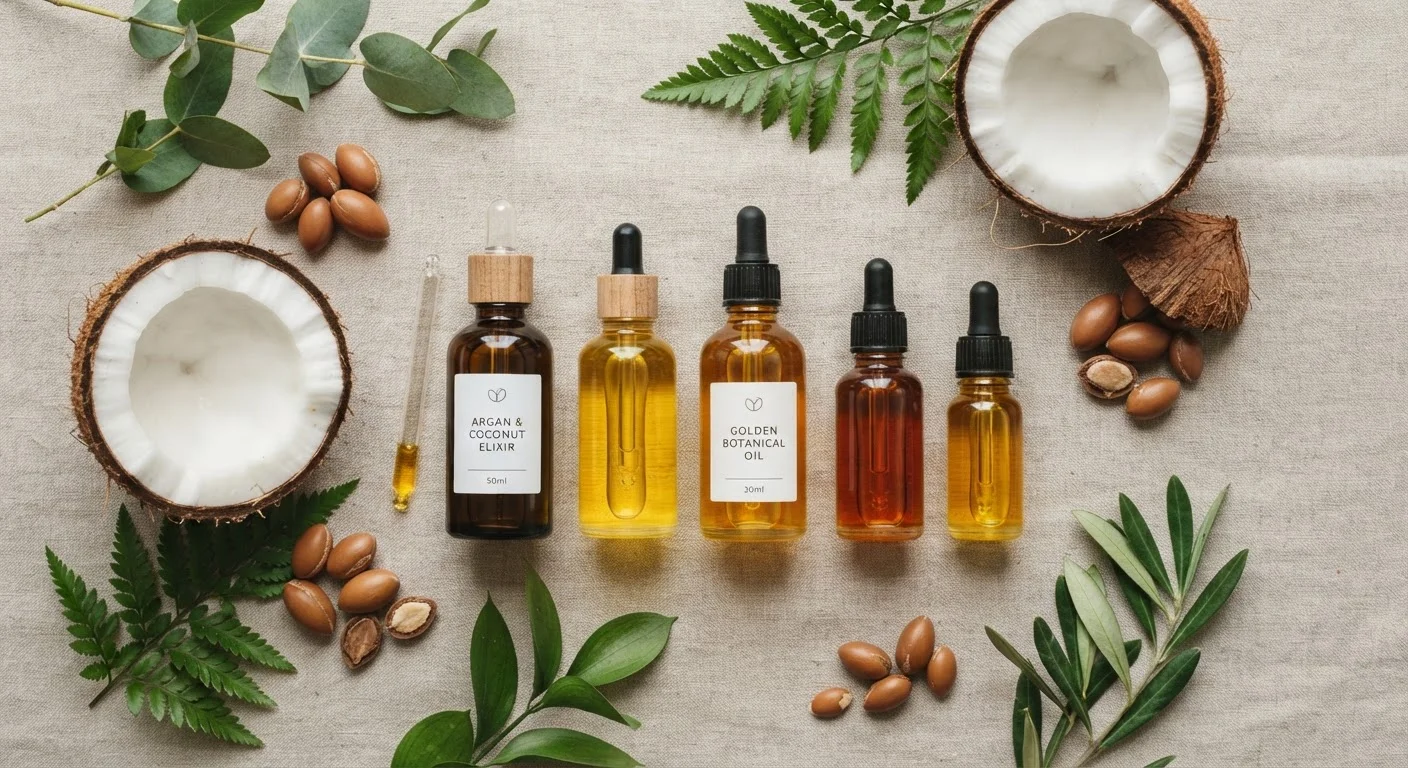
Photo: SummarizedReads.net | Just Read It! editorial
—— In This Article
Why Natural Oils Belong in Your Hair Routine
Natural oils have been used in hair care across cultures for centuries - and modern ingredient science helps explain why many of them actually work. Whether you're dealing with dryness, breakage, or a flaky scalp, the right oil can make a meaningful difference. The key word is right: not every oil suits every hair type, and using the wrong one can leave hair greasy or weighed down.
This guide breaks down the most commonly used natural oils, what they contain, and which hair concerns they address best. Think of it as a lookup reference, not a prescription - your hair's behavior is the real guide. For a broader look at how these fit into a full routine, see The Budget-Friendly Body Care Handbook.
| Number of widely studied natural hair oils | 6-10 most commonly referenced |
| Oils that can penetrate the hair shaft | Coconut, avocado, olive (smaller molecules) (Journal of Cosmetic Science research on lipid penetration) |
| Oils that primarily coat the surface | Argan, marula, castor (larger molecules) |
| Best application method for heavy oils | Pre-shampoo treatment on dry hair |
| Lightest-weight option for fine hair | Jojoba or rosehip seed oil |
| Patch test wait time before full use | 24 hours minimum |
The Most Common Natural Oils: What They Do and Who They're For
Below is a plain-language breakdown of the oils you'll encounter most often on product labels or in DIY hair care.
Coconut Oil
A saturated oil with small molecular size, allowing it to partially penetrate the hair shaft rather than just coat the surface. Research suggests it may reduce protein loss when used as a pre-wash treatment. Best for medium-to-thick or coarse hair; can cause buildup on fine hair.
Argan Oil
Pressed from the kernels of the argan tree, this lightweight oil is high in oleic acid and vitamin E. It sits on the hair surface, smoothing the cuticle and adding shine without heavy residue. Suits most hair types, including fine and color-treated hair.
Jojoba Oil
Technically a liquid wax, not a true oil. Its molecular structure closely resembles the scalp's natural sebum, making it one of the least likely oils to clog follicles. Lightweight enough for fine hair and gentle enough for scalp application.
Castor Oil
A thick, viscous oil high in ricinoleic acid. Often used as a sealant to lock in moisture, particularly on hair ends and edges. Its density makes it best diluted with a lighter oil; on its own it can feel heavy and sticky.
Rosehip Seed Oil
A dry, fast-absorbing oil rich in linoleic acid and antioxidants. Lightweight enough for fine hair. Primarily used on ends for shine and light conditioning without greasiness.
Avocado Oil
A heavier oil with high oleic acid content that can penetrate the hair shaft similarly to coconut oil. Works well for dry, thick, or high-porosity hair. Often used in deep conditioning treatments.
Marula Oil
A lightweight African oil high in oleic acid. Absorbs quickly, adds softness, and controls frizz without residue. Suitable for most hair types including fine or color-treated strands.
Hair Porosity
The hair shaft's ability to absorb and retain moisture, determined largely by the condition of the cuticle layer. Low-porosity hair repels moisture; high-porosity hair absorbs it quickly but also loses it fast. Porosity affects which oils penetrate versus which simply coat.
How to Use This Reference
A few practical notes before you experiment:
- Less is more. Oils are concentrated. Start with a pea-sized amount, applied to damp (not soaking wet) hair or to the ends and mid-lengths - not the scalp - unless the oil is specifically scalp-safe and lightweight.
- Pre-shampoo treatments (applying oil before washing) let you get moisture benefits without buildup. This works especially well with heavier oils like coconut.
- Patch testing matters. Some people react to plant-derived oils, particularly those with nut allergies. Apply a small amount to the inner arm and wait 24 hours before widespread use.
If you've been unsatisfied with how your hair responds to washing, it's worth reviewing the basics - common hair washing mistakes can interfere with how oils absorb and perform.
Nut Allergies and Plant-Derived Oils
Several popular hair oils - including argan, marula, and avocado - are derived from tree nuts or stone fruits. If you have a known tree nut allergy, consult a dermatologist or allergist before applying these topically. Reactions are uncommon but documented, and scalp application may carry different risk than skin application.
Matching Oils to Hair Concerns
Once you know an oil's profile, matching it to a concern becomes more straightforward:
| Hair Concern | Oils to Consider | Application Method |
|---|---|---|
| Dryness / brittleness | Coconut, olive, avocado | Pre-shampoo treatment or leave-in on ends |
| Frizz control | Argan, marula | Small amount on damp or dry hair |
| Fine / easily weighed-down hair | Jojoba, rosehip | Light application to ends only |
| Scalp dryness or flakiness | Jojoba, tea tree-infused (diluted) | Scalp massage before washing |
| Protective styling support | Castor, avocado | Edges and mid-lengths as a sealant |
Keep in mind that results vary by individual hair porosity, texture, and overall routine. A weekly hair care audit can help you track what's working and what isn't over time.
~70%
Of hair's protein composition is keratin
Keratin's integrity affects how well oils are retained in the hair shaft; understanding this helps explain why protein-preserving oils like coconut are widely studied.
3 layers
Main structural layers of each hair strand
The cuticle, cortex, and medulla each interact differently with topical oils - only oils with small enough molecular weight can reach the cortex.
This article is for general informational purposes only and is not a substitute for advice from a licensed dermatologist or trichologist. If you have scalp conditions, allergies, or other medical concerns, consult a qualified healthcare professional before changing your hair care routine.

Beauty Editorial Team
Beauty Editorial Team is the collective byline for our editorial team and contributor network. Articles published under this byline or an editorial pen name are researched, written, and reviewed according to our editorial standards for clarity, consistency, and independence before publication.
View author profile