
Everything Hair Washing Gets Wrong (And What to Do Instead)
From water temperature to over-lathering, these everyday washing habits can silently damage your hair. Here's what actually helps.
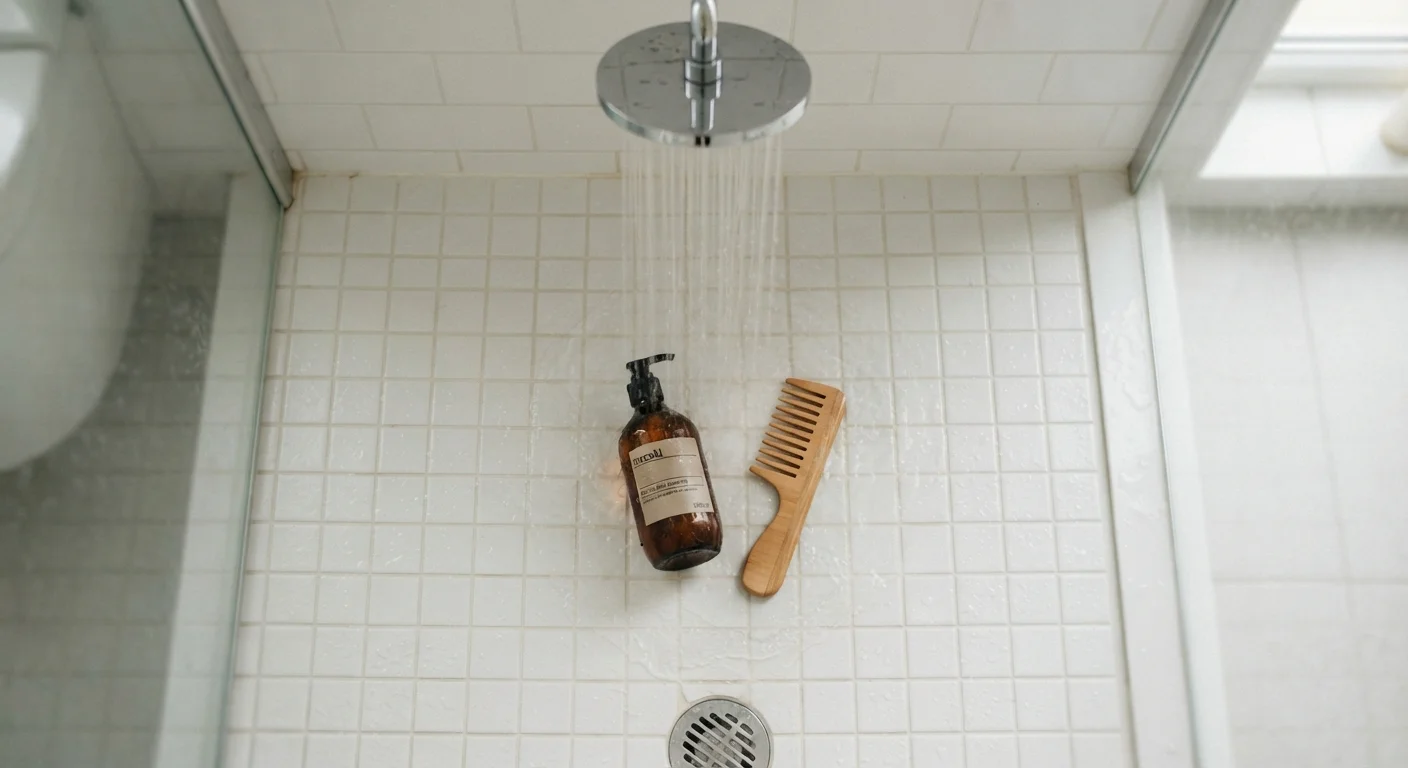
Photo: SummarizedReads.net | Just Read It! editorial
—— In This Article
Key Takeaways
- Hot water strips the scalp's natural oils, leaving hair dry and prone to breakage.
- Shampooing daily is rarely necessary and can disrupt the scalp's natural oil balance.
- Applying conditioner at the roots can weigh hair down and clog follicles.
- Rough towel-drying is a leading cause of frizz and mechanical hair damage.
- Skipping a scalp massage means missing a simple step that supports circulation and product distribution.
Why Your Wash Routine May Be Working Against You
Hair washing feels instinctive - lather, rinse, repeat. But many everyday habits that feel correct are quietly contributing to dryness, breakage, and an irritated scalp. The good news: most fixes cost nothing and take seconds to implement.
Understanding where things go wrong starts with the scalp. It produces sebum, a natural oil that protects both the scalp skin and the hair shaft. Aggressive or poorly timed washing disrupts that balance. For a deeper look at what a balanced scalp actually looks like, see Scalp Health 101.
Washing hair with hot water.
Why it happens: Hot showers feel relaxing, and many people assume heat helps cleanse more thoroughly.
Shampooing every single day regardless of hair type or scalp condition.
Why it happens: Marketing has long equated cleanliness with daily washing, and many people worry about looking oily if they skip a day.
Applying conditioner directly to the scalp and roots.
Why it happens: It's intuitive to apply product from root to tip, and some people believe it will add moisture where hair grows.
Vigorously rubbing hair with a towel to dry it faster.
Why it happens: It's the fastest option after a shower and feels effective at removing water.
Skipping a scalp massage during shampooing.
Why it happens: Most people treat shampooing as purely about product application rather than scalp stimulation.
Using far too much shampoo per wash.
Why it happens: Bigger lather feels more thorough, and product bottles often recommend more than is actually needed.
Rethinking the Basics: Temperature, Technique, and Frequency
Once you know which mistakes to avoid, a few technique adjustments make wash day genuinely more effective. Start with water temperature: lukewarm is almost always the right call. It opens the cuticle enough to cleanse without the stripping effect of heat.
65°F-85°F
Recommended water temperature range for hair washing
Trichologists generally recommend lukewarm water in this range to cleanse without stripping the scalp's protective oil layer.
2-3×
Typical recommended wash frequency per week
Many dermatologists suggest washing two to three times per week as a general baseline for average scalp oil production, though individual needs vary.
Frequency is equally personal. Oily scalps may genuinely need more frequent washing, but most hair types benefit from spacing washes out. If you're curious whether a co-washing approach might reduce the need for frequent shampooing, co-washing vs. shampooing breaks down which method suits which hair type.
After washing, how you dry matters just as much as how you cleanse. The friction from a standard terry-cloth towel roughens the cuticle layer. A microfiber towel or a clean cotton T-shirt pressed gently against the hair causes far less mechanical stress. For a fuller picture of drying decisions, air-drying vs. heat styling covers the real trade-offs of each approach.
Don't Confuse Squeaky-Clean with Healthy
That tight, squeaky feeling after washing is often a sign that the scalp's natural oils have been fully stripped - not that hair is at its cleanest. Repeated over-cleansing can trigger the scalp to overproduce sebum in response, creating a cycle of greasiness that feels like it demands more frequent washing. If your scalp feels itchy or tight after every wash, it may be worth reconsidering your shampoo formula or wash frequency.
If you're doing everything right and still seeing dullness or stiffness, your water supply could be a factor. Hard water and hair explains what mineral buildup does to the hair shaft and practical ways to adapt. For a full weekly check-in on your habits, the weekly hair care audit is a useful follow-up.
This article is for general informational purposes only and does not constitute medical or dermatological advice. If you have a scalp condition or persistent hair concerns, consult a qualified healthcare professional or dermatologist.

Beauty Editorial Team
Beauty Editorial Team is the collective byline for our editorial team and contributor network. Articles published under this byline or an editorial pen name are researched, written, and reviewed according to our editorial standards for clarity, consistency, and independence before publication.
View author profile