
Scalp Health 101: What It Is and Why It Matters for Your Hair
Understand what a healthy scalp looks like, why it affects hair growth, and the basic habits that keep it balanced.
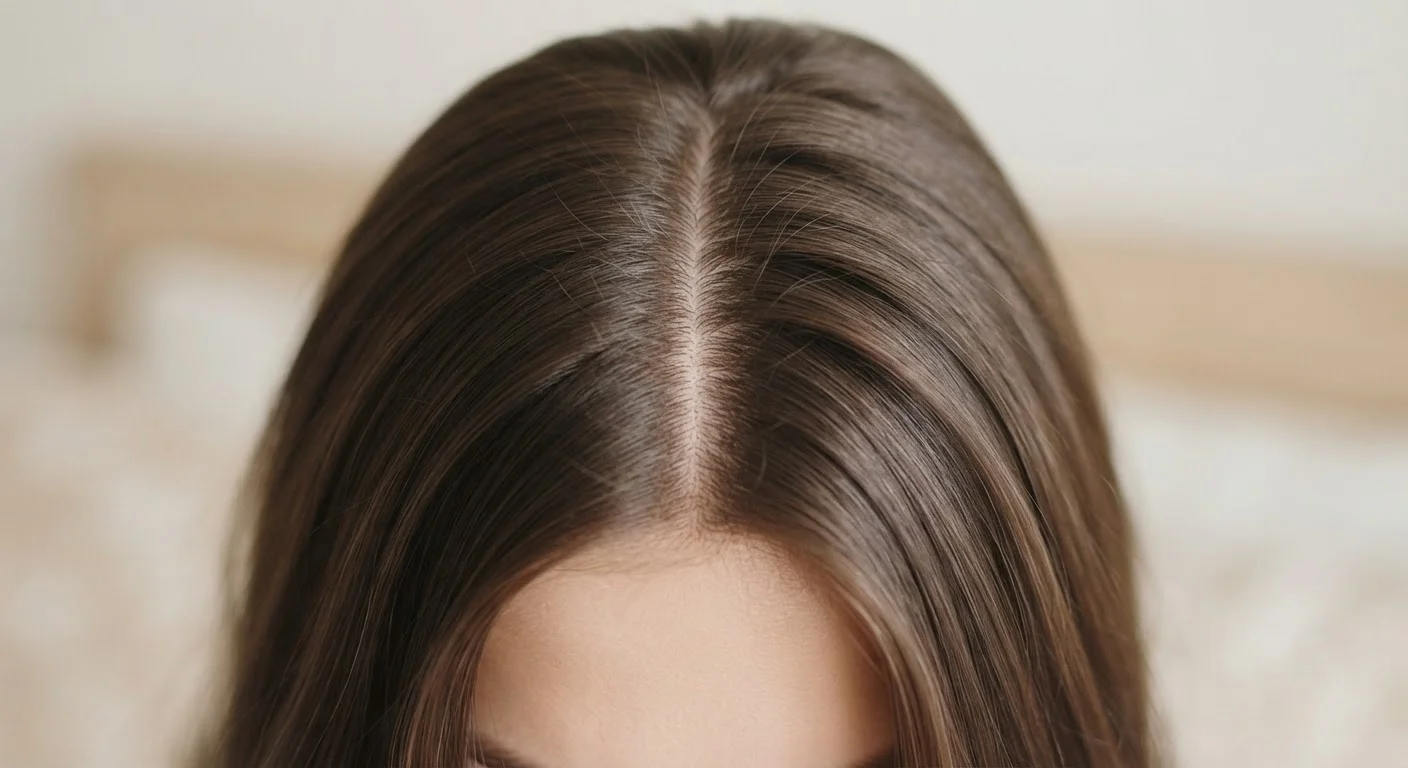
Photo: SummarizedReads.net | Just Read It! editorial
—— In This Article
Key Takeaways
- The scalp is skin - it needs cleansing, moisture balance, and gentle care just like facial skin.
- An unhealthy scalp can directly slow hair growth and contribute to shedding.
- Over-washing and under-washing are both common habits that disrupt scalp balance.
- Diet, stress, and product buildup all affect scalp condition.
- Most scalp concerns can be managed with simple, consistent habits - not expensive products.
Your Scalp Is Skin - and It Behaves Like It
It sounds obvious once stated plainly, but most people treat their scalp differently from the rest of their skin - as if it is simply a surface hair grows out of rather than living tissue that needs care. The scalp is, in fact, one of the most metabolically active areas of skin on the body. It has a dense network of blood vessels, a high concentration of hair follicles, and more sebaceous glands per square centimeter than most facial skin.
That means the scalp produces oil, sheds dead skin cells, hosts a microbial ecosystem, and reacts to inflammation - just like the skin on your face or arms. When that balance is disrupted, hair follicles can be affected. The result may be anything from a persistently itchy scalp to increased hair shedding.
Understanding scalp health through this lens - as skincare, not just haircare - is the starting point for making better decisions about your routine. For a broader look at how consistent habits protect your skin overall, see foundational skincare habits dermatologists recommend.
What Can Go Wrong - and Why
Scalp imbalances tend to fall into a few recognizable patterns:
- Excess oil (seborrheic tendency): Overactive sebaceous glands, hormonal shifts, or stress can lead to a greasy scalp that feels heavy between washes. This environment can encourage the overgrowth of Malassezia yeast, which is associated with dandruff and seborrheic dermatitis.
- Dryness and flaking: Harsh cleansers, cold weather, or stripping ingredients can compromise the scalp's moisture barrier, causing tight, itchy, flaky skin. This is distinct from dandruff, which is driven by yeast rather than dryness alone.
- Product buildup: Silicones, dry shampoo residue, and styling products accumulate on the scalp over time, potentially clogging follicles and dulling hair at the root. Regular clarifying removes this buildup.
- Inflammation: Conditions like psoriasis, contact dermatitis, or folliculitis involve immune responses that affect the scalp's surface and, in some cases, the follicles beneath it.
~100,000
Average number of hair follicles on the human scalp
Each follicle is embedded in scalp skin and dependent on the surrounding tissue environment to function normally.
50-100
Hair strands shed daily considered normal
According to the American Academy of Dermatology, shedding within this range is part of the hair growth cycle and not a sign of scalp dysfunction.
50%
Adults affected by dandruff at some point in life
Dandruff is among the most common scalp conditions globally, driven primarily by Malassezia yeast rather than hygiene factors.
Stress is also a recognized contributor to scalp disruption. Elevated cortisol has been linked in research to changes in sebum production and inflammatory skin responses - one more reason that self-care has a real physiological basis. See what dermatologists and psychologists agree on for context.
The Habits That Keep a Scalp Balanced
Most scalp concerns respond well to consistent, moderate habits rather than intensive interventions. Here is what the basics look like in practice:
- Wash at the right frequency for your scalp type. There is no single correct schedule. Oily scalps may need more frequent washing; coarser or drier hair textures often do better with fewer washes. Pay attention to how your scalp feels and smells between washes rather than following an arbitrary rule. Our guide on common hair washing mistakes breaks down which habits actually help versus harm.
- Focus the shampoo on your scalp, not the lengths. Shampoo is formulated to cleanse skin - massage it gently into the scalp, then let it rinse through the ends rather than piling all your hair together and scrubbing.
- Avoid overly hot water. Hot water strips the scalp's natural oils more aggressively and can trigger irritation in sensitive skin. Lukewarm is usually sufficient.
- Give your scalp a break from heavy styling products when possible. Consistent product layers without periodic clarifying lead to buildup.
- Eat to support skin health generally. Balanced everyday nutrition provides the building blocks for healthy follicle function - including adequate protein, zinc, and iron.
Try a Simple Scalp Check Once a Month
Part your hair in several places under good lighting and take a close look at your scalp skin. Note any redness, flaking, or areas that feel tender when touched. This quick monthly habit helps you catch changes early and gives you useful information to share with a dermatologist if needed. You don't need any special tools - just good light and attention.
If you want a structured way to audit your current routine, the weekly hair care audit offers a practical walkthrough.
This article is for general informational purposes only and is not medical advice. If you are experiencing persistent scalp symptoms, hair loss, or skin changes, please consult a qualified healthcare professional or dermatologist.
Frequently Asked Questions

Beauty Editorial Team
Beauty Editorial Team is the collective byline for our editorial team and contributor network. Articles published under this byline or an editorial pen name are researched, written, and reviewed according to our editorial standards for clarity, consistency, and independence before publication.
View author profile