
Skincare Routine Audit: Checking Whether Your Current Routine Is Actually Working
Use this checklist to evaluate your existing routine — from product order and ingredient clashes to storage habits and whether your skin's needs have changed.
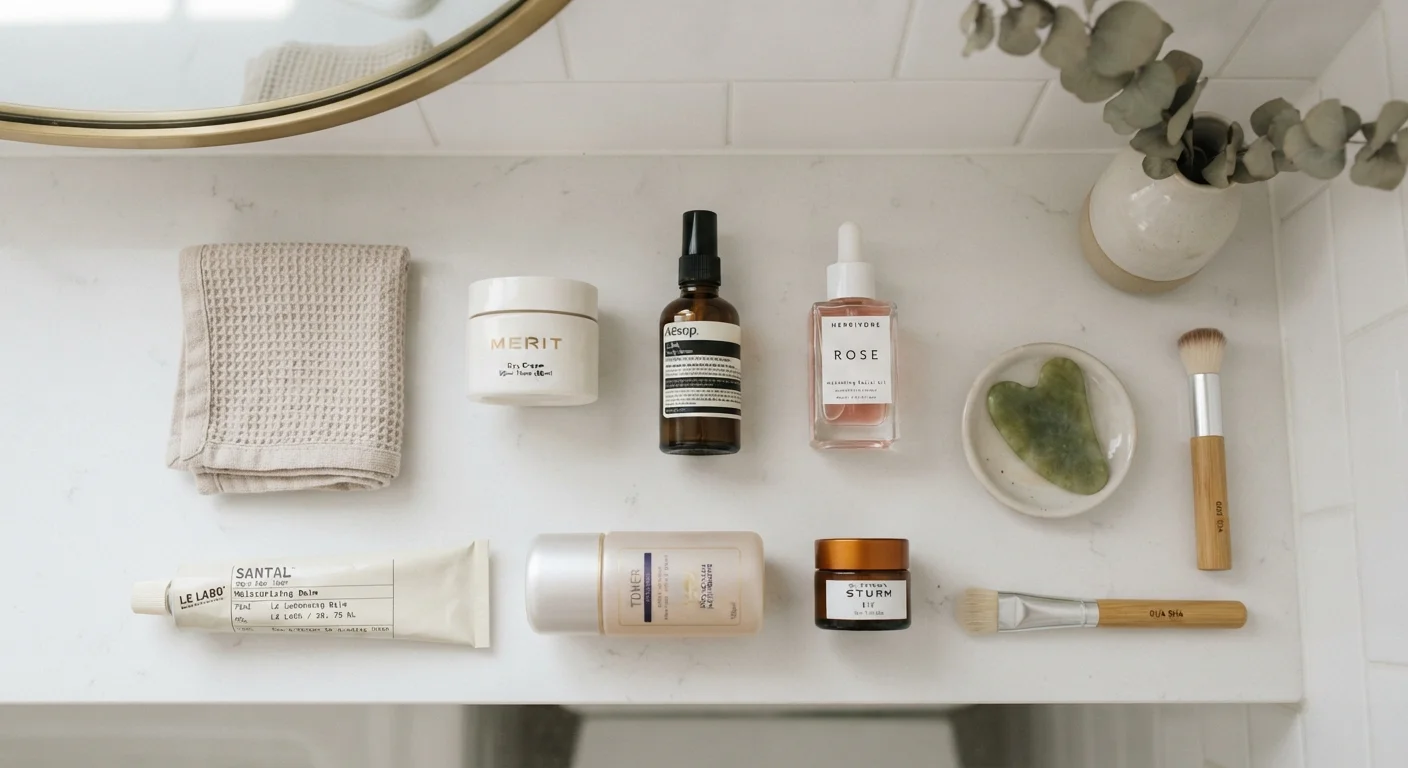
Photo: SummarizedReads.net | Just Read It! editorial
—— In This Article
Key Takeaways
- Application order and ingredient compatibility matter as much as the products themselves.
- Skin needs shift with age, season, and lifestyle - a routine that worked last year may not work now.
- Expired or improperly stored products can underperform or cause irritation.
- More products does not mean better results; redundancy often causes more harm than good.
- Consistent, patient use of the right basics outperforms frequent product-switching.
Why Your Routine Deserves a Periodic Review
Most people build a skincare routine once and then run it on autopilot - sometimes for years. But skin changes. Hormones shift, climate moves through seasons, stress levels fluctuate, and the products that once felt ideal can quietly start underdelivering. A routine audit is simply a structured way to check whether what you're doing is still working - and to cut anything that isn't earning its place.
This checklist is designed to take you through the full picture: product basics, application habits, ingredient interactions, storage, and whether your skin's current concerns even match what your products are targeting. Work through it section by section. You don't need to replace everything - in fact, a streamlined routine of true essentials usually outperforms an overcrowded shelf.
For a complementary look at how your habits fit into daily wellbeing, the Self-Care Routines hub has practical guidance on building sustainable practices without overspending.
INCI Decoder or CosDNA
Free online tools for decoding ingredient lists and flagging potential irritants or incompatible pairings in your products.
Notebook or notes app
Useful for recording your current routine, audit findings, and any skin changes you observe as you make adjustments.
Smartphone camera
Take consistent baseline photos in the same lighting to track skin changes objectively rather than relying on memory.
The Full Routine Audit Checklist
Work through each group below. Mark items honestly - the goal is a clear picture, not a perfect score. If you're unsure about any ingredient interactions you encounter, understanding how common actives interact is a useful next step.
Product Inventory
Application Order
Ingredient Compatibility
Storage and Hygiene
Matching Products to Current Skin Needs
Results Check
Don't Swap Everything at Once
When your audit reveals multiple problems, the instinct is to fix them all immediately. Doing so makes it impossible to know which change helped or which caused a new reaction. Change one product or step at a time, allow at least two to four weeks between changes, and document what you observe.
Acting on Your Audit Results
Once you've worked through the checklist, you'll likely fall into one of three categories: your routine is basically sound and just needs minor tweaks; you've identified one or two problem areas to address; or your routine needs a more significant reset. In any case, resist the urge to overhaul everything at once. Change one variable at a time - ideally one new or adjusted product every two to four weeks - so you can actually track what's helping.
If you're adding a product you haven't used before, patch testing before full-face application is a simple step that prevents a lot of unnecessary irritation. And if you're rebuilding from scratch, understanding what your AM and PM routines each need will help you prioritize correctly from the start.
Persistent Skin Issues Need Professional Eyes
A self-audit has real limits. If you're experiencing ongoing breakouts, redness, peeling, or sensitivity that doesn't resolve after several weeks of adjusted product use, these may indicate an underlying skin condition rather than a routine problem. A board-certified dermatologist can assess what's actually happening and recommend appropriate treatment.
This article is for general informational purposes only and is not a substitute for advice from a licensed dermatologist or healthcare professional. If you are experiencing persistent skin concerns, irritation, or reactions, consult a qualified provider.

Beauty Editorial Team
Beauty Editorial Team is the collective byline for our editorial team and contributor network. Articles published under this byline or an editorial pen name are researched, written, and reviewed according to our editorial standards for clarity, consistency, and independence before publication.
View author profile