
Skin Hydration vs. Moisturisation: Why the Difference Matters for Your Routine
Hydrating and moisturising aren't the same thing. Understanding the difference helps you choose the right steps for your skin without wasting money.
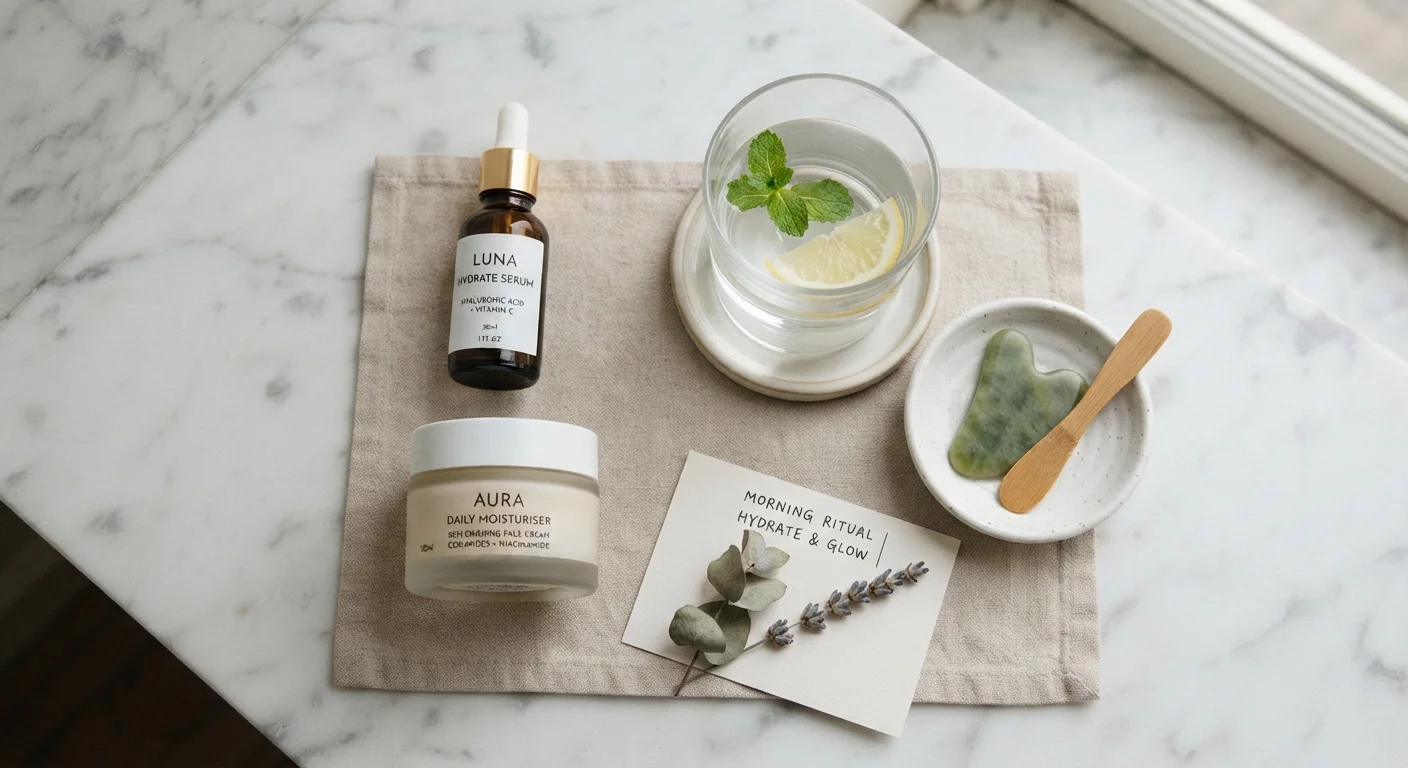
Photo: SummarizedReads.net | Just Read It! editorial
—— In This Article
Key Takeaways
- Hydration adds water to skin cells; moisturisation seals that water in with oils or waxes.
- You can have oily skin that is still dehydrated - these are two separate concerns.
- Humectants like glycerin pull water into the skin; occlusives and emollients hold it there.
- Applying a moisturiser over damp skin boosts how well it retains hydration.
- Most people need both steps, but the right products vary by skin type and season.
What Hydration and Moisturisation Actually Mean
The terms "hydrating" and "moisturising" appear on almost every skincare label, often used interchangeably. They are not the same thing, and confusing them can mean you're spending money on products that don't solve your actual skin concern.
Hydration refers to water content inside the skin cells themselves. When your skin is dehydrated, cells are lacking water - they can appear flat, dull, or feel uncomfortably tight. Hydrating products work by attracting water into the skin using ingredients called humectants. Common humectants include glycerin, hyaluronic acid, and aloe vera. These molecules draw moisture from the environment or from deeper skin layers toward the surface.
Moisturisation refers to preventing water from escaping the skin. No matter how much water you deliver, skin loses it rapidly through a process called transepidermal water loss (TEWL) if there's nothing sealing the surface. Moisturisers do this job using emollients (which soften and smooth the skin's texture) and occlusives (which form a physical barrier over the surface). Think shea butter, mineral oil, or dimethicone. For a deeper look at how these ingredient categories function together, see our ingredient guide for body lotions.
| Criterion | Hydration | Moisturisation |
|---|---|---|
| What it targets | Water content inside skin cells | Water retention at the skin surface |
| Key ingredient type | Humectants (glycerin, hyaluronic acid) | Emollients and occlusives (shea, dimethicone) |
| Typical product format | Serum, essence, hydrating toner | Cream, lotion, balm |
| Signs you need it | Dull, tight, or flat-looking skin | Flaking, cracking, or rough texture |
| Works for oily skin? | Yes - dehydration is a separate issue | Yes - choose a lighter, non-comedogenic formula |
| Application order | First, on damp skin | Second, immediately after hydrating step |
Why Your Skin Type Doesn't Always Tell the Whole Story
A common misconception is that oily skin doesn't need hydration. In fact, oily skin and dehydrated skin are entirely separate conditions. You can have excess sebum production - which causes shine and breakouts - while your skin cells are simultaneously starved of water. This often happens when harsh cleansers strip the skin's surface, prompting more oil production as a compensatory response.
~75%
Of skin complaints linked to barrier dysfunction
Dermatology researchers broadly estimate the majority of common skin complaints - including sensitivity and dryness - involve some degree of impaired skin barrier function, per published literature in the Journal of Investigative Dermatology.
2-3×
Higher TEWL in compromised vs. intact skin
Studies on transepidermal water loss indicate damaged or stripped skin barriers can lose water at rates significantly higher than healthy, intact skin.
Equally, someone with dry skin (a skin type, meaning low natural oil production) needs both hydration and a strong occlusive moisturiser. Applying a humectant serum without sealing it in can actually draw moisture away from deeper skin layers in very dry climates.
The practical rule: apply humectant-rich products first, while skin is still slightly damp, then follow immediately with a moisturiser to trap that moisture in place. This sequence is the foundation of the classic three-step routine - for context on how each step fits together, this breakdown of cleanser, toner, and moisturiser is a useful reference.
Building a Routine That Addresses Both - Without Overcomplicating It
You don't need a 10-step routine or expensive products to address both hydration and moisture retention. The goal is to understand what each step is doing so you can make deliberate choices.
A simple approach:
- Cleanse gently, avoiding formulas that leave skin feeling stripped or squeaky-clean - that feeling signals barrier disruption.
- Apply a humectant - a serum or toner containing glycerin or hyaluronic acid works well - to damp skin immediately after patting dry.
- Seal with a moisturiser suited to your skin type: lighter gel-cream formulas for oily or combination skin, richer creams for dry or mature skin.
Seasons matter here too. In winter or in low-humidity environments, you may need to add an occlusive step (like a balm or heavier cream) that you don't need in summer. Your routine should adapt - morning and evening routines also call for different priorities, which is worth understanding before you lock in a fixed regimen.
Drinking More Water Won't Directly Fix Dry Skin
While staying well-hydrated supports overall health, research does not consistently show that increasing daily water intake meaningfully improves skin hydration in people who are already adequately hydrated. Topical humectants and barrier-sealing moisturisers address skin hydration more directly than internal water intake alone. That said, general hydration and nutrition are closely linked - learn more about how fluid intake affects how you feel for broader context.
For broader context on building a skin routine from the ground up, the Skincare Basics hub covers affordable, straightforward approaches for everyday skin health.
This article is for general informational purposes only and does not constitute medical or dermatological advice. If you have a skin condition or persistent concerns, consult a qualified dermatologist or healthcare professional.

Beauty Editorial Team
Beauty Editorial Team is the collective byline for our editorial team and contributor network. Articles published under this byline or an editorial pen name are researched, written, and reviewed according to our editorial standards for clarity, consistency, and independence before publication.
View author profile