
Skincare Layering: Why the Order You Apply Products Actually Matters
Applying products in the wrong sequence can reduce their effectiveness. Here's the science behind why layering order matters in a skincare routine.
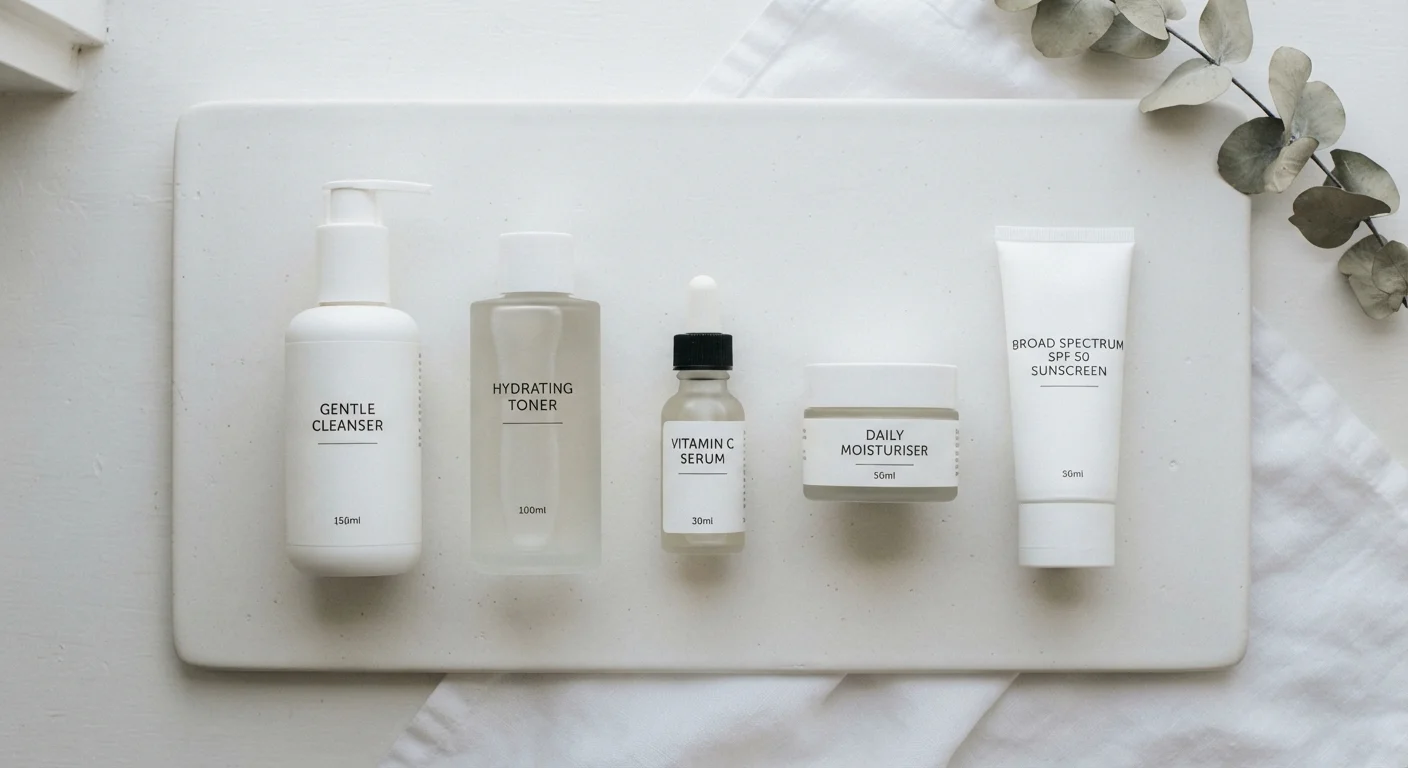
Photo: SummarizedReads.net | Just Read It! editorial
—— In This Article
Key Takeaways
- Lighter, water-based products should always be applied before heavier, oil-based ones.
- Applying a thick cream before a serum can prevent active ingredients from reaching the skin.
- Sunscreen is always the final step in any morning routine.
- Waiting 30-60 seconds between layers gives each product time to absorb before the next is added.
- A simple, correctly ordered routine outperforms a complex one applied in the wrong sequence.
Why Sequence Is a Science, Not a Preference
Most people assume skincare order is a marketing invention - a reason to buy more products and use them in a specific branded sequence. In reality, the logic behind layering is rooted in basic skin biology and formulation chemistry.
Skin is a selective barrier. It doesn't absorb everything you put on it freely; absorption depends on molecule size, the formulation's vehicle (water, oil, gel), and what's already sitting on the surface. When you apply a rich, occlusive moisturiser before a lightweight vitamin C serum, you're essentially asking an active ingredient to pass through a layer it wasn't designed to penetrate. The result: reduced absorption, reduced effect, and potentially wasted product.
The foundational rule - lightest to heaviest, water-based before oil-based - exists because water-based formulas can't pass through oil layers, while oil can spread over water. Think of salad dressing: oil always rises to sit on top of vinegar, not beneath it.
See our explanation of what each routine step is actually doing for a closer look at why each layer exists in the first place.
The Standard Layering Framework
While individual routines vary by skin type and concern, most dermatologist-recommended sequences follow a consistent structure:
- Cleanser - Always first. Removes surface debris, excess oil, and sunscreen so subsequent products contact clean skin.
- Toner or essence - Water-based, pH-balancing step that prepares the skin and can aid absorption of what follows.
- Treatment serums - Active ingredients (vitamin C, niacinamide, hyaluronic acid, retinol) are concentrated here. Apply in order of thinnest texture first.
- Eye cream - If used, applied before moisturiser since it's typically lighter in texture than most face creams.
- Moisturiser - Seals in hydration and supports the skin barrier. Heavier formulas sit here.
- Sunscreen (AM only) - Always the final step in a morning routine. Applying other products over SPF disrupts its protective film.
Nighttime Routines Follow the Same Logic
At night, skip sunscreen but keep everything else in the same thinnest-to-thickest order. Richer actives like retinoids or peptide treatments slot in after toning and before your moisturiser. Applying your moisturiser last helps lock in active ingredients and supports overnight skin repair.
At night, the same order applies - minus sunscreen. Richer actives like retinoids or peptide treatments still sit between toning and moisturising.
Common Layering Mistakes That Reduce Results
Even experienced skincare users make a handful of recurring errors:
~30-60s
Ideal wait time between product layers
Dermatologists commonly recommend allowing each layer to settle briefly before applying the next to support absorption.
3-5 steps
Recommended routine length for most skin types
Most dermatologists suggest that a consistent shorter routine applied correctly outperforms a longer one done in the wrong order.
- Applying moisturiser before serum. The most common mistake. A serum's active molecules need a clear path to the skin - a cream layer on top of clean skin blocks that pathway.
- Skipping wait time. Layering products immediately on top of each other before absorption gives the next layer less clean skin to work with. A 30-60 second pause between steps is generally sufficient.
- Using an oil before a water-based product. Facial oils - however luxurious - should go on after your water-based serums and moisturiser, not before. They function as the final seal, not a primer.
- Putting SPF mid-routine. Sunscreen applied before moisturiser, or with other products layered heavily on top, loses its ability to form the uniform film needed for consistent protection.
If your current routine isn't delivering results, the order may be the first thing worth revisiting. A routine audit checklist can help you identify exactly where things might be going wrong.
Simplicity Works - You Don't Need Ten Steps
The pressure to build elaborate multi-step routines is real, but layering more products isn't automatically better. Each additional layer introduces the possibility of ingredient interactions, skin irritation, and - if the order is wrong - actually reducing the efficacy of the products you've already paid for.
More Steps Isn't Always Better
Adding more products to a routine increases the risk of ingredient interactions and irritation - and doesn't guarantee better results. A correctly ordered three-step routine can outperform a poorly sequenced ten-step one. Focus on sequence and consistency before expanding your routine.
Dermatologists generally agree that a consistent three-to-five step routine applied in the correct order will outperform a ten-step routine done haphazardly. Consistency and sequence matter more than volume.
Separating essential steps from optional extras is a useful exercise before adding any new product. And if you'd like to understand how timing principles apply beyond your face, the same logic around absorption and application order extends to body care - see our piece on moisturising timing and technique.
Building a routine that works doesn't require spending more - it requires understanding why each step exists and respecting the sequence that lets it do its job. For the longer view, consistent daily habits remain the most evidence-backed factor in skin health over time.
This article is for general informational purposes only and does not constitute medical or dermatological advice. If you have specific skin concerns or conditions, consult a qualified healthcare professional.
Frequently Asked Questions

Beauty Editorial Team
Beauty Editorial Team is the collective byline for our editorial team and contributor network. Articles published under this byline or an editorial pen name are researched, written, and reviewed according to our editorial standards for clarity, consistency, and independence before publication.
View author profile