
Introducing Active Ingredients Without Irritating Your Skin
Adding actives like acids or retinoids too fast can trigger irritation. Here's a measured approach to incorporating new ingredients into your routine.
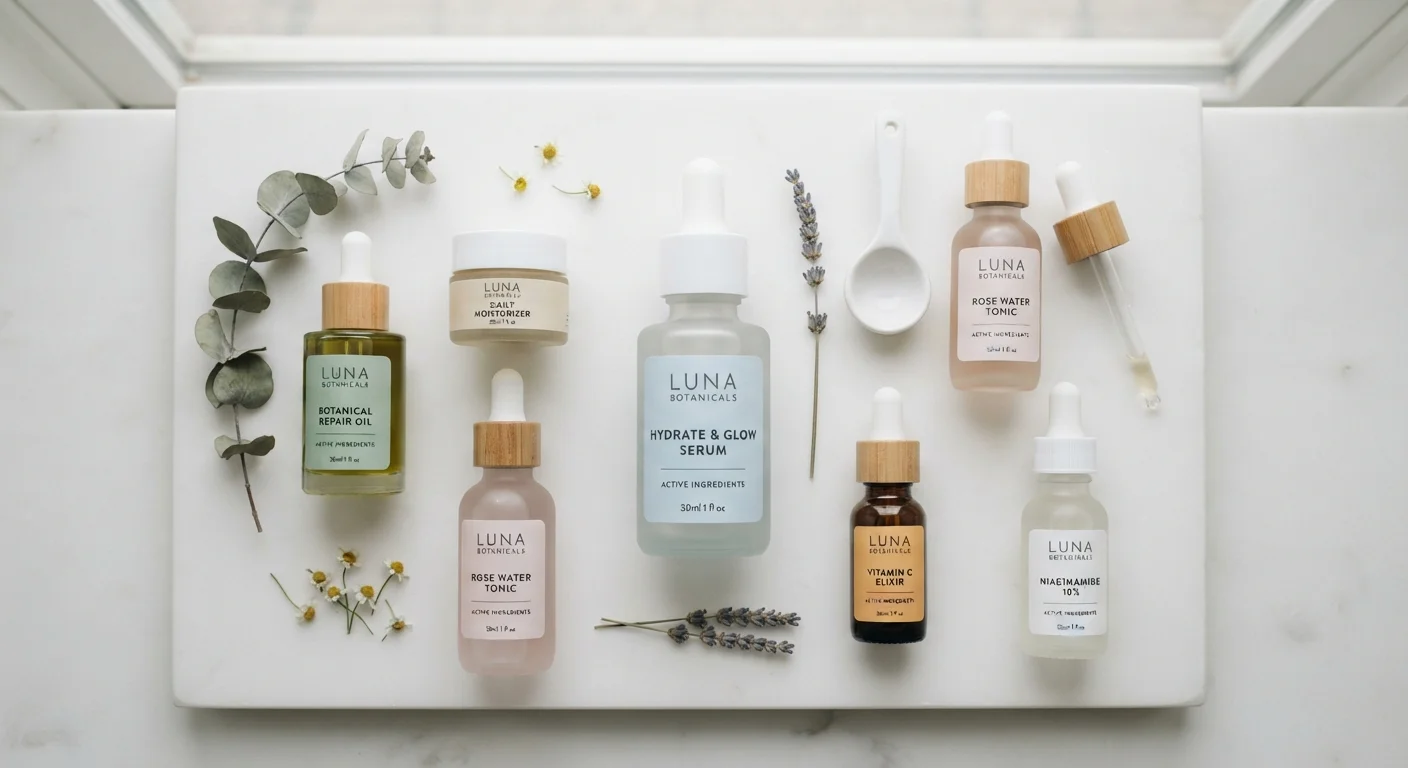
Photo: SummarizedReads.net | Just Read It! editorial
—— In This Article
Key Takeaways
- Introduce only one new active ingredient at a time to isolate any adverse reactions.
- Start with lower concentrations and use actives less frequently before building up.
- Patch test every new product before applying it to your full face.
- A strong moisturizer and daily SPF are non-negotiable when using actives.
- Skin purging and true irritation are different - knowing which is which helps you respond correctly.
- Patience matters: most actives take weeks to show visible results.
Why Active Ingredients Cause Irritation in the First Place
Active ingredients - a category that includes chemical exfoliants (AHAs, BHAs), retinoids, vitamin C, and others - work by interacting with skin at a cellular level. Exfoliating acids dissolve the bonds holding dead cells together; retinoids accelerate cell turnover; vitamin C works to neutralize free radicals and support collagen synthesis. These mechanisms are exactly what makes them effective, but they also explain why skin can react.
When you apply a potent active to skin that hasn't encountered it before, you're essentially asking the barrier to manage a new level of activity. If you introduce too high a concentration, too frequently, or on top of an already-compromised barrier, the result is often inflammation - redness, stinging, peeling, or sensitivity to products that were previously fine.
The good news: most of this is entirely preventable with a methodical approach. You don't need expensive products or a complex routine - you need a measured strategy. See our budget-focused skincare guide if you want to confirm you're spending only where it counts.
What you will need
How to Introduce Actives Step by Step
The process below applies whether you are starting with an exfoliating acid, a retinoid, or another targeted active. The principle is consistent: low and slow, one at a time.
Gentle, non-stripping cleanser
Prepares skin without weakening its barrier before active application.
Fragrance-free moisturizer
Supports the skin barrier and cushions any irritation caused by actives.
Broad-spectrum SPF 30+ sunscreen
Most actives increase photosensitivity; daily SPF is essential to prevent damage.
Low-concentration active (your chosen ingredient)
Starting at a lower percentage gives skin time to acclimate before increasing strength.
Skincare journal or notes app
Tracking reactions, frequency, and concentration changes helps you spot patterns.
Lock in a stable baseline routine first
Before adding any active, your routine should already include a gentle cleanser, moisturizer, and daily SPF. If your barrier is compromised - tight, flaky, or reacting to your current products - adding an active will almost certainly cause irritation. Give your skin two to four weeks of stability before you begin. If you are starting completely fresh, see our bare-bones skincare guide for where to begin.
Choose one active and start at the lowest available concentration
Pick a single active to introduce - not two or three at once. Identify the lowest concentration that product category offers. For exfoliating acids (such as glycolic or lactic acid), this typically means 5-7%. For retinoids, it means starting with retinol rather than stronger prescription forms. Lower concentrations still deliver results; they simply do so more gradually and with less disruption.
Not sure which active suits your skin concerns? Our comparison of retinol vs. niacinamide can help you identify which direction makes more sense for you.
Patch test before your first full-face application
Apply a small amount of the product to a discreet area - typically the inner arm or behind the ear - and leave it undisturbed for 24 hours. Watch for redness, itching, swelling, or raised skin. Only proceed to full-face use if the patch site is clear. For a detailed walkthrough of the correct method, see our guide on patch testing new skincare products.
Use the active once or twice a week initially
In the first two weeks, apply your active on one or two non-consecutive nights per week - for example, Monday and Thursday. Apply it after cleansing and before moisturizer. Using it at night is generally advisable because many actives increase sun sensitivity and are more stable away from UV exposure. Keep everything else in your routine exactly the same.
Monitor skin response and distinguish purging from irritation
After each use, note whether your skin feels tight, stings, or shows visible redness. Some temporary dryness or mild flaking in the first few weeks is common as skin adjusts. Purging - a temporary increase in breakouts in areas where you normally break out - can occur with exfoliants and retinoids as cell turnover accelerates; this typically resolves within four to six weeks. True irritation - persistent burning, widespread redness, or breakouts in new areas - is a signal to reduce frequency or stop use and seek professional guidance.
Gradually increase frequency over four to six weeks
If your skin has tolerated twice-weekly use without significant reaction after two to three weeks, you can move to every other night, and eventually to nightly use if your chosen active and skin type support it. Some people find that twice weekly is their long-term sweet spot - that is entirely valid. There is no universal endpoint; the goal is the highest frequency your skin can comfortably sustain. Only consider increasing concentration after you have been comfortable at the current level for at least a month.
The 'Sandwich' Method for Sensitive Skin
If your skin is reactive, try applying a thin layer of plain moisturizer before and after your active. This dilutes direct contact and slows absorption, which can reduce stinging without eliminating the ingredient's effectiveness entirely. Many dermatologists recommend this approach when starting retinoids.
Don't Layer Conflicting Actives
Using multiple strong actives - such as a chemical exfoliant and a retinoid - in the same routine dramatically raises your risk of irritation, barrier damage, and increased sun sensitivity. Until you are confident in how your skin tolerates each ingredient individually, keep them in separate routines or on alternate days.
Active Ingredients Are Not Medical Treatments
This article is general skincare education, not medical advice. If you experience persistent redness, swelling, peeling, or any allergic reaction, stop using the product and consult a dermatologist or qualified healthcare professional before continuing.
This article is for general informational and educational purposes only and does not constitute medical or dermatological advice. If you experience a persistent or severe skin reaction, consult a qualified healthcare professional before continuing use of any skincare product.

Beauty Editorial Team
Beauty Editorial Team is the collective byline for our editorial team and contributor network. Articles published under this byline or an editorial pen name are researched, written, and reviewed according to our editorial standards for clarity, consistency, and independence before publication.
View author profile