
Mindfulness Meditation: What It Offers and Where Its Limits Lie
Mindfulness is widely recommended for stress and mood, but it's not a universal fix. A balanced look at its benefits, drawbacks, and evidence base.
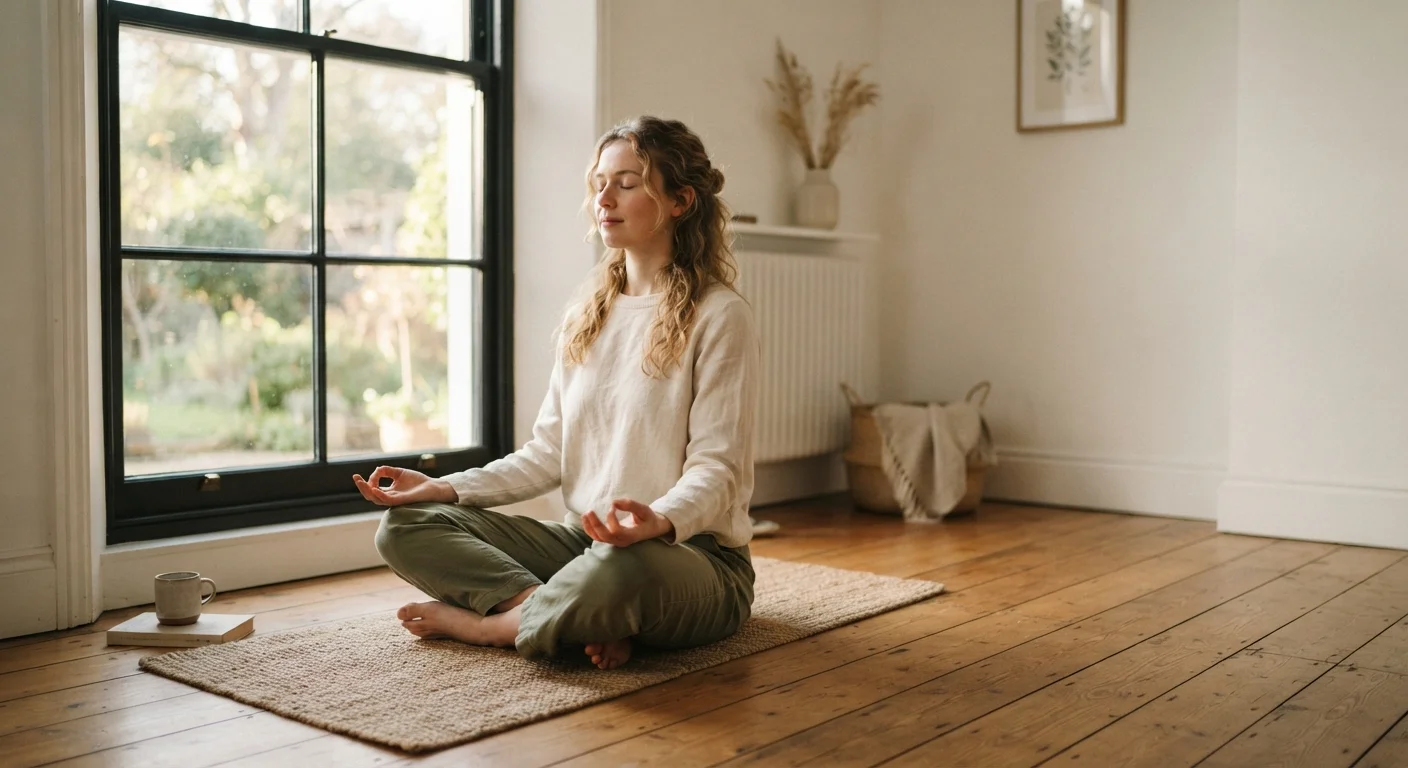
Photo: SummarizedReads.net | Just Read It! editorial
—— In This Article
Key Takeaways
- Mindfulness meditation has meaningful evidence behind it for reducing stress and improving mood regulation.
- It is not a replacement for professional mental health treatment in clinical conditions.
- Even brief, consistent practice can produce benefits - no expensive equipment or classes required.
- Some people may experience adverse reactions; professional guidance is advisable for those with trauma histories.
- The quality of mindfulness research varies; not every claimed benefit has strong scientific backing.
Well-supported for stress and anxiety reduction
Multiple systematic reviews, including those examining MBSR programmes, find consistent reductions in self-reported stress and anxiety. This is among the most replicated findings in the mindfulness literature.
Improves emotional regulation over time
Regular practice appears to strengthen the ability to observe emotions without reacting impulsively, a skill with broad benefits for relationships and decision-making.
Accessible with no financial barrier
Mindfulness requires no paid membership, equipment, or formal instruction to begin. Free guided sessions are widely available through public health organisations and libraries.
Modest evidence for improved sleep quality
Research suggests mindfulness-based interventions may help reduce sleep disturbance, particularly where poor sleep is linked to rumination or stress arousal.
Adaptable to different schedules and lifestyles
Practice can range from informal moments of focused breathing to structured sessions, making it more sustainable for people with busy or unpredictable routines.
Not a clinical treatment for serious conditions
Mindfulness is not a substitute for evidence-based clinical interventions for major depression, PTSD, or severe anxiety. Using it as a replacement for professional care carries real risk.
Can provoke adverse effects in some individuals
A meaningful minority of practitioners - particularly those with trauma histories - report increased anxiety, dissociation, or distressing memories during practice. Professional guidance is advisable in these cases.
Research quality is inconsistent
Many published studies have methodological limitations including small samples, no active control groups, and high dropout rates, making it difficult to draw firm conclusions for specific conditions.
Benefits often require sustained, consistent practice
Occasional or sporadic sessions are unlikely to produce lasting changes. Building a consistent habit is harder than initial enthusiasm suggests, and dropout rates in formal programmes can be significant.
Overpromised in popular media
Claims about mindfulness curing physical disease, transforming performance, or eliminating chronic pain go well beyond what the research currently supports, creating unrealistic expectations.
What Mindfulness Meditation Actually Is
Mindfulness meditation is the practice of intentionally focusing attention on the present moment - sensations, thoughts, and emotions - without judging them. Rooted in Buddhist contemplative traditions, it entered clinical and research settings in the late 1970s when Jon Kabat-Zinn developed the Mindfulness-Based Stress Reduction (MBSR) programme at the University of Massachusetts Medical School.
Today it encompasses a range of techniques, from breath-focused sitting practice to body scans and mindful movement. What all forms share is this quality of deliberate, non-reactive awareness. For anyone curious about where mindfulness fits within a broader mental wellness picture, our comprehensive mental well-being guide offers useful grounding.
Mindfulness Is Not One Single Practice
The term 'mindfulness' covers a wide range of techniques - from formal seated meditation to informal breath awareness during daily activities. Research findings from one type of practice don't automatically transfer to all others. When reviewing studies or recommendations, it's worth checking which specific technique was studied and for how long.
The Genuine Benefits: What Research Supports
A substantial body of research - including systematic reviews and meta-analyses - supports several specific benefits of regular mindfulness practice.
Well-supported for stress and anxiety reduction
Multiple systematic reviews, including those examining MBSR programmes, find consistent reductions in self-reported stress and anxiety. This is among the most replicated findings in the mindfulness literature.
Improves emotional regulation over time
Regular practice appears to strengthen the ability to observe emotions without reacting impulsively, a skill with broad benefits for relationships and decision-making.
Accessible with no financial barrier
Mindfulness requires no paid membership, equipment, or formal instruction to begin. Free guided sessions are widely available through public health organisations and libraries.
Modest evidence for improved sleep quality
Research suggests mindfulness-based interventions may help reduce sleep disturbance, particularly where poor sleep is linked to rumination or stress arousal.
Adaptable to different schedules and lifestyles
Practice can range from informal moments of focused breathing to structured sessions, making it more sustainable for people with busy or unpredictable routines.
~47%
Of time people spend mind-wandering
A Harvard study published in Science found that people's minds wander nearly half the time, with mind-wandering associated with lower reported happiness - providing context for why present-moment awareness matters.
8 weeks
Typical MBSR programme duration
The Mindfulness-Based Stress Reduction programme developed by Jon Kabat-Zinn at UMass Medical School runs for eight weeks and remains one of the most studied mindfulness interventions.
~0.38
Effect size for anxiety reduction
A 2014 JAMA Internal Medicine meta-analysis of mindfulness programmes reported a moderate effect size of approximately 0.38 for anxiety outcomes across multiple studies.
The evidence is most consistent for reducing perceived stress and improving emotional regulation. Mindfulness appears to help people observe anxious or distressing thoughts without immediately reacting to them, which can interrupt cycles of rumination. Studies also link regular practice to modest improvements in sleep quality and, for some people, reductions in symptoms of mild-to-moderate anxiety.
Importantly, mindfulness is low-cost and requires no special equipment - making it a genuinely accessible self-care strategy. For more on affordable wellbeing habits, see low-cost self-care practices worth taking seriously.
Where the Evidence Gets Thinner - and the Real Limits
Mindfulness is frequently described in sweeping terms - as a cure-all for depression, chronic pain, addiction, and even physical disease. The evidence for many of these claims is far less robust than popular coverage suggests.
Not a clinical treatment for serious conditions
Mindfulness is not a substitute for evidence-based clinical interventions for major depression, PTSD, or severe anxiety. Using it as a replacement for professional care carries real risk.
Can provoke adverse effects in some individuals
A meaningful minority of practitioners - particularly those with trauma histories - report increased anxiety, dissociation, or distressing memories during practice. Professional guidance is advisable in these cases.
Research quality is inconsistent
Many published studies have methodological limitations including small samples, no active control groups, and high dropout rates, making it difficult to draw firm conclusions for specific conditions.
Benefits often require sustained, consistent practice
Occasional or sporadic sessions are unlikely to produce lasting changes. Building a consistent habit is harder than initial enthusiasm suggests, and dropout rates in formal programmes can be significant.
Overpromised in popular media
Claims about mindfulness curing physical disease, transforming performance, or eliminating chronic pain go well beyond what the research currently supports, creating unrealistic expectations.
Research methodology is a genuine concern: many studies use small samples, lack active control groups, or rely on self-reported outcomes. This doesn't mean mindfulness is ineffective - it means the strength of evidence varies considerably by condition and outcome. It is also worth noting that mindfulness is not a replacement for professional mental health care, particularly for clinical depression, PTSD, or severe anxiety disorders. If you're interested in how mental health myths can shape treatment decisions, persistent myths about depression offers a useful perspective.
Fitting Mindfulness Into Everyday Life
Consistency matters more than session length. Research generally supports the view that short, regular practice - even five to ten minutes daily - can be meaningful, particularly for stress and mood. Formal programmes like MBSR are typically eight weeks long, but self-guided practice using apps or free audio guides can serve as a starting point.
Mindfulness also integrates naturally with other evidence-informed habits. Everyday mental wellness habits such as regular movement, consistent sleep, and social connection each reinforce one another. And because mind and body interact closely, mental and physical self-care are more connected than many people assume.
This article is for informational and educational purposes only and is not a substitute for professional medical or mental health advice. If you are experiencing significant mental health symptoms, please consult a qualified healthcare provider.

Health Editorial Team
Health Editorial Team is the collective byline for our editorial team and contributor network. Articles published under this byline or an editorial pen name are researched, written, and reviewed according to our editorial standards for clarity, consistency, and independence before publication.
View author profile