

Health Editorial Team
Health Editorial Team is the collective byline for our editorial team and contributor network. Articles published under this byline or an editorial pen name are researched, written, and reviewed according to our editorial standards for clarity, consistency, and independence before publication.

Eating Balanced on a Tight Budget: Practical Strategies That Work
Nutritious eating doesn't require expensive superfoods. Discover practical, affordable ways to build a balanced plate every day.

Hidden Sources of Added Sugar in Everyday Foods
Added sugar turns up in surprising places—sauces, bread, yoghurt. Learn to spot it on labels and understand its dietary impact.

Hydration and Nutrition: How Water Intake Affects What You Eat and How You Feel
The relationship between hydration and nutrition is closer than most people realise. Here's how fluid intake influences appetite and health.

Intermittent Fasting: An Honest Look at the Evidence, the Benefits, and the Drawbacks
Intermittent fasting has genuine research behind it—and real limitations. A balanced look at what the evidence currently shows.

Macronutrients Demystified: What Carbs, Protein, and Fat Actually Do
Learn what carbohydrates, protein, and fat do in your body and why all three matter for everyday health and energy.

Micronutrients: A Plain-Language Guide to Vitamins and Minerals
A clear reference covering the key vitamins and minerals your body needs, what they do, and which foods supply them.

Nutrition Myths That Refuse to Die-And What the Evidence Actually Says
From fat-free foods to detox diets, these widespread nutrition beliefs don't hold up to scrutiny. Here's what science says instead.

Nutrition Science Explained: From Calories and Metabolism to Food Quality and Gut Health
An end-to-end resource covering how nutrition works—calories, metabolism, macros, micros, gut health, and practical eating strategies.

Nutrition for Absolute Beginners: Building Healthy Eating Habits from the Ground Up
New to thinking about what you eat? This guide covers the core principles of nutrition in plain language, no jargon required.

Plant Protein vs. Animal Protein: Similarities, Differences, and What Matters Most
Compare plant and animal protein sources across nutrition, digestibility, and cost to understand what each brings to your diet.

Reading a Nutrition Label Without Getting Lost in the Numbers
Decode nutrition facts panels confidently—from serving sizes and daily values to added sugars and sodium.
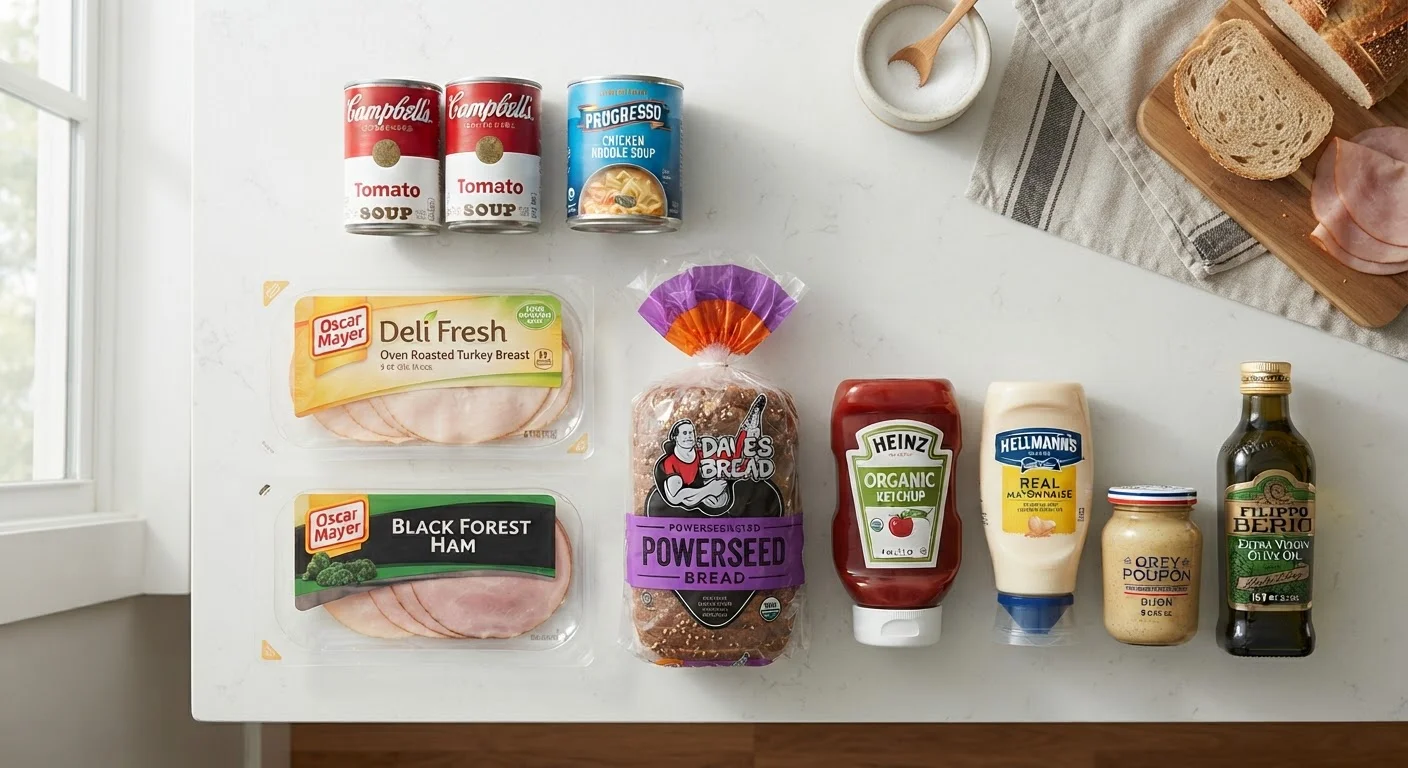
Sodium in Your Diet: How Much Is Too Much, and Where It's Quietly Coming From
Most dietary sodium doesn't come from the salt shaker. Learn how to identify high-sodium foods and understand general intake guidance.

Understanding Dietary Fibre: Why Most People Don't Eat Enough
Fibre does far more than aid digestion. Learn what it is, how it works, and which everyday foods are reliable sources.

Weekly Grocery Checklist for a Nutritionally Balanced Household
Use this checklist to ensure your weekly shop covers the key food groups, nutrients, and variety your household needs.
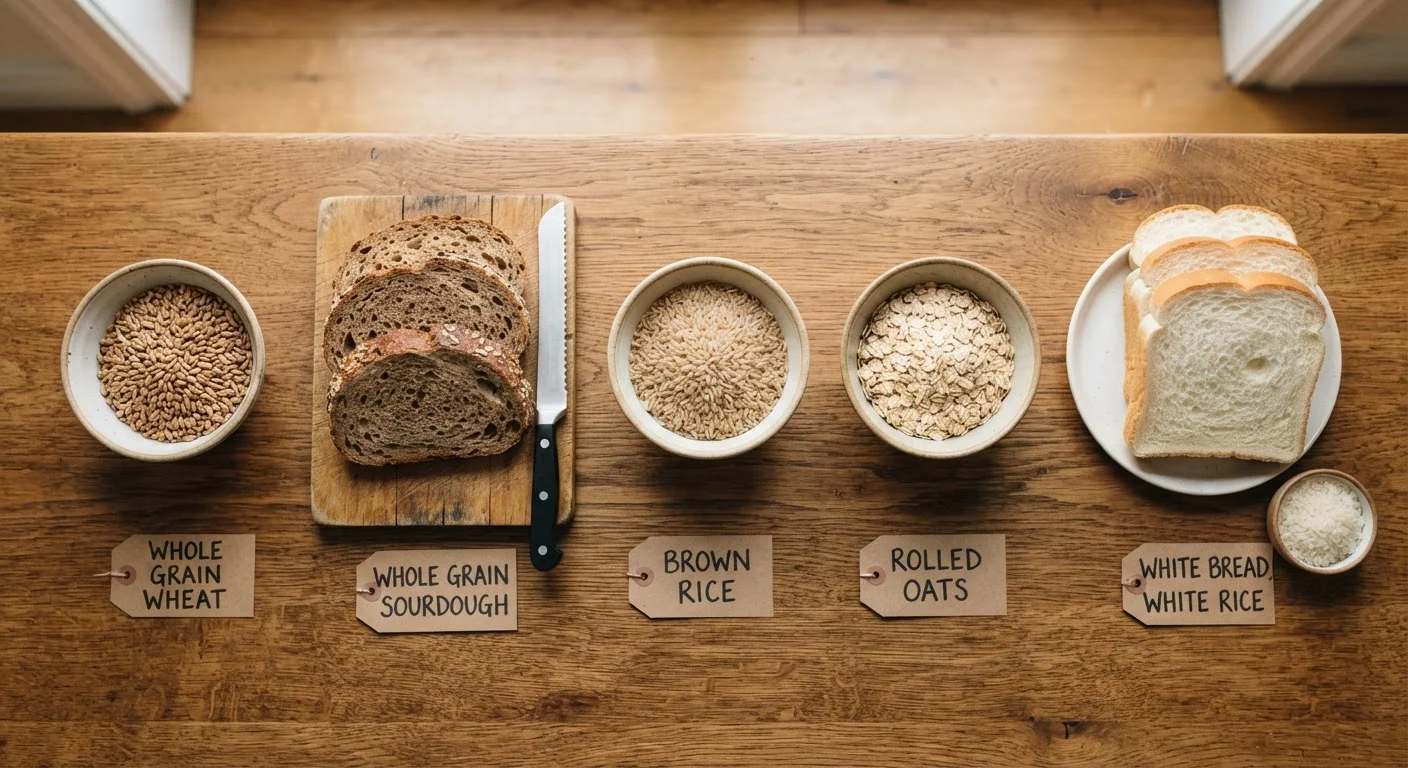
Whole Grains vs. Refined Grains: What the Difference Means for Your Diet
Understand how whole and refined grains differ nutritionally and how that distinction affects your daily eating habits.

Why Crash Diets Keep Failing-And What Happens to Your Body When You Restrict Too Sharply
Severe calorie restriction often backfires. Understand the physiological reasons crash diets rarely produce lasting results.
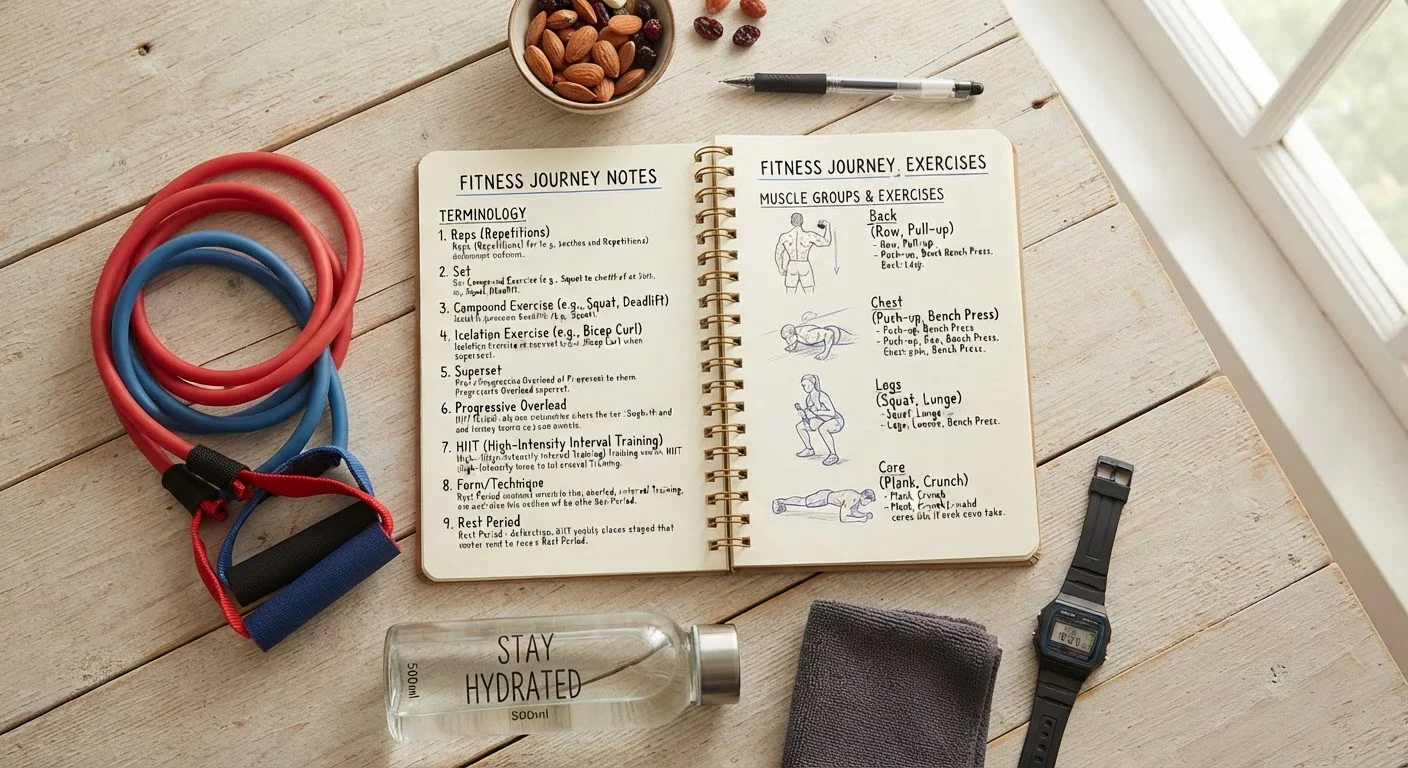
A Plain-Language Glossary of Fitness Terms Every Beginner Encounters
Reps, sets, RPE, progressive overload—fitness jargon can be a barrier. This quick-reference glossary defines the terms you'll run into most often.

Before You Begin: A Readiness Checklist for Starting a New Exercise Routine
Starting a new fitness routine involves more than picking workouts. Use this checklist to assess your readiness and set yourself up for a safer start.

Bodyweight vs. Free Weights: Choosing the Right Resistance for Where You Are
Both bodyweight and free weight training build strength—but they suit different situations. Understand the trade-offs before deciding what to use.

Fitness Myths That Keep People From Starting
From 'no pain, no gain' to spot reduction, widespread fitness myths can derail progress before it starts. Here's what the evidence actually shows.

HIIT Training: Weighing the Intensity Against the Recovery Demands
High-intensity interval training is popular for a reason—but it's not right for everyone. A clear-eyed look at what HIIT delivers and where it falls short.

Movement Snacks: Staying Active When You Sit at a Desk All Day
Short bursts of movement throughout the workday can offset prolonged sitting. Here are practical, low-barrier ways to keep your body moving at work.

No Gym, No Problem: Building a Sustainable Exercise Habit at Home
You don't need a membership to get fit. This guide covers how to build a consistent, equipment-free routine that works around your real daily life.

Progress Plateaus: What's Actually Happening and How to Work Through Them
Hitting a wall in your fitness progress is frustrating but common. Learn the physiological reasons behind plateaus and evidence-backed ways to move past them.
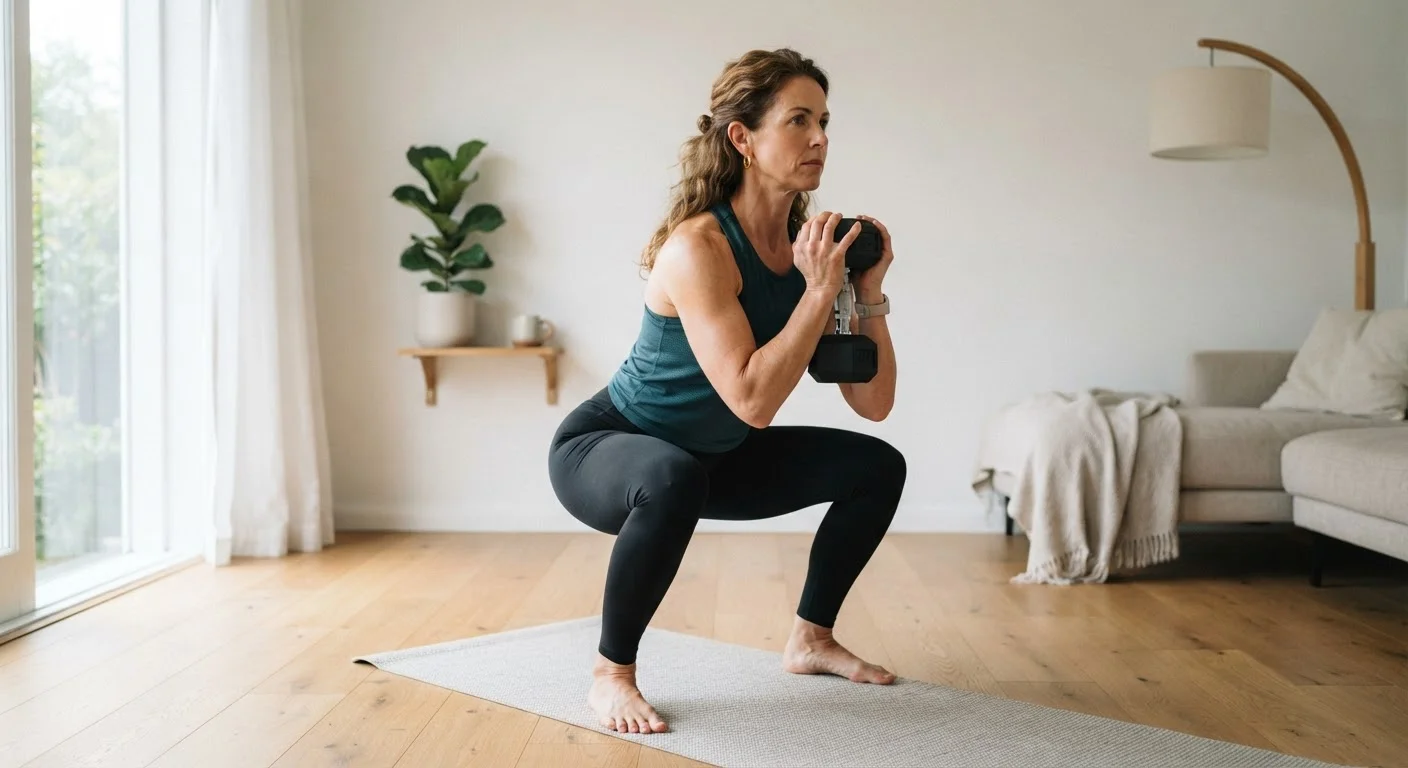
Starting Strength Training After 40: What Changes and What Doesn't
Resistance training remains valuable at any age, but some considerations shift after 40. Understand what to keep in mind—and when to seek professional guidance.

Staying Active on a Tight Budget: Fitness Without the Financial Pressure
Exercise doesn't require costly memberships or equipment. Explore a range of genuinely low-cost approaches to staying active that work for real budgets.

Stretching: Static, Dynamic, and When Each One Belongs in Your Routine
Not all stretching serves the same purpose. Understand when to use static versus dynamic stretching and how each fits different points in a workout.

The Real Difference Between Mobility and Flexibility
Mobility and flexibility are often used interchangeably, but they're not the same thing. Understanding the distinction can change how you train.

Walking vs. Running: Which One Actually Fits Your Fitness Goals?
Walking and running offer different benefits for heart health, weight, and joints. Here's how to weigh them against your lifestyle and fitness level.

What 'Functional Fitness' Actually Means-and Why It's Worth Understanding
Functional fitness is one of the most used—and misunderstood—terms in exercise. Here's a grounded explanation of what it means and how it applies to daily life.

Why Your Rest Days Are Part of the Training Plan
Skipping rest days in pursuit of faster progress often backfires. Learn what recovery actually does for your body and how to structure it wisely.

Zone 2 Training: What It Is and Why It Matters for Everyday Fitness
Zone 2 training builds aerobic fitness without burning you out. Learn what it means, how to find your zone, and why it suits all activity levels.

A Practical Weekly Mental Health Check-In
A simple, repeatable checklist to help you notice patterns in your mood, sleep, energy, and stress before they quietly build up.

Breathing Techniques for Anxiety: Box Breathing, 4-7-8, and Diaphragmatic Compared
Box breathing, 4-7-8, and diaphragmatic breathing are often recommended for anxiety. Here's how they differ and when each tends to be used.

Building a Wind-Down Routine That Actually Helps You Sleep
A practical guide to designing an evening routine that signals your nervous system it's time to rest — grounded in sleep science basics.

Cortisol, Adrenaline, and the Stress Response: A Plain-Language Reference
A concise reference guide to the key hormones and systems involved in the body's stress response, explained without medical jargon.

Everyday Mental Wellness: Habits Worth Sustaining Over the Long Term
Evidence-informed practices for maintaining mental well-being day to day — no intensive routines or costly programmes required.

How Social Connection Shapes Mental Health Outcomes
Loneliness is more than a feeling — it has measurable effects on mental and physical health. Explore what the research says about human connection.
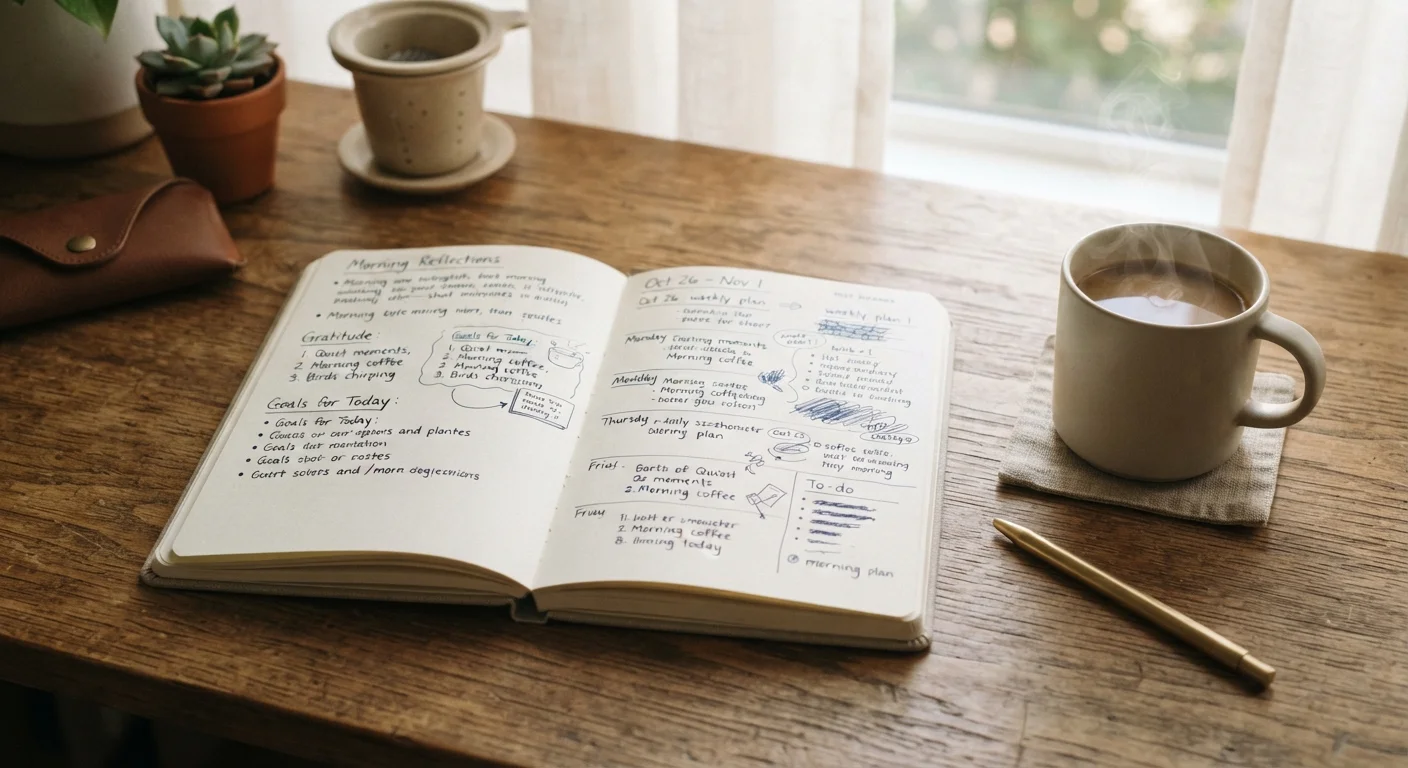
Journalling for Mental Clarity: Getting Started Without Overthinking It
Journalling can reduce anxiety and sharpen thinking — but only if you actually do it. Here's a practical, low-pressure way to build the habit.

Mindfulness Meditation: What It Offers and Where Its Limits Lie
Mindfulness is widely recommended for stress and mood, but it's not a universal fix. A balanced look at its benefits, drawbacks, and evidence base.

Persistent Myths About Depression That Aren't Supported by Science
From 'it's just sadness' to 'willpower can fix it' — common beliefs about depression that research doesn't support, and what we know instead.

Sleep Hygiene vs. Sleep Restriction Therapy: Two Very Different Approaches to Insomnia
Sleep hygiene tips are everywhere, but sleep restriction therapy works differently. Understand how each approach tackles insomnia and who they suit.

The Relationship Between Physical Activity and Mood, Explained
Exercise is frequently cited as good for mental health, but the mechanisms are more nuanced than endorphins alone. Here's what researchers have found.

The Science Behind Why Stress Feels Physical
Headaches, tight shoulders, a racing heart — stress shows up in the body for real biological reasons. Here's what the research says.

Therapy Formats Demystified: Individual, Group, and Self-Guided Options
One-on-one therapy isn't the only path. Understand how individual, group, and structured self-guided approaches differ and what each involves.

Understanding Mental Well-Being: A Comprehensive Starting Point
From stress and sleep to resilience and professional support — a thorough, approachable guide to what mental well-being means and how to nurture it.

Ways People Unintentionally Make Anxiety Worse
Avoidance, reassurance-seeking, and caffeine are just a few patterns that can quietly reinforce anxiety. Here's what to watch for and why it matters.

What 'Evidence-Based' Actually Means in Mental Health Contexts
The phrase 'evidence-based' is everywhere in wellness content. This explainer breaks down what it genuinely means — and what it doesn't.