
Before You Begin: A Readiness Checklist for Starting a New Exercise Routine
Starting a new fitness routine involves more than picking workouts. Use this checklist to assess your readiness and set yourself up for a safer start.
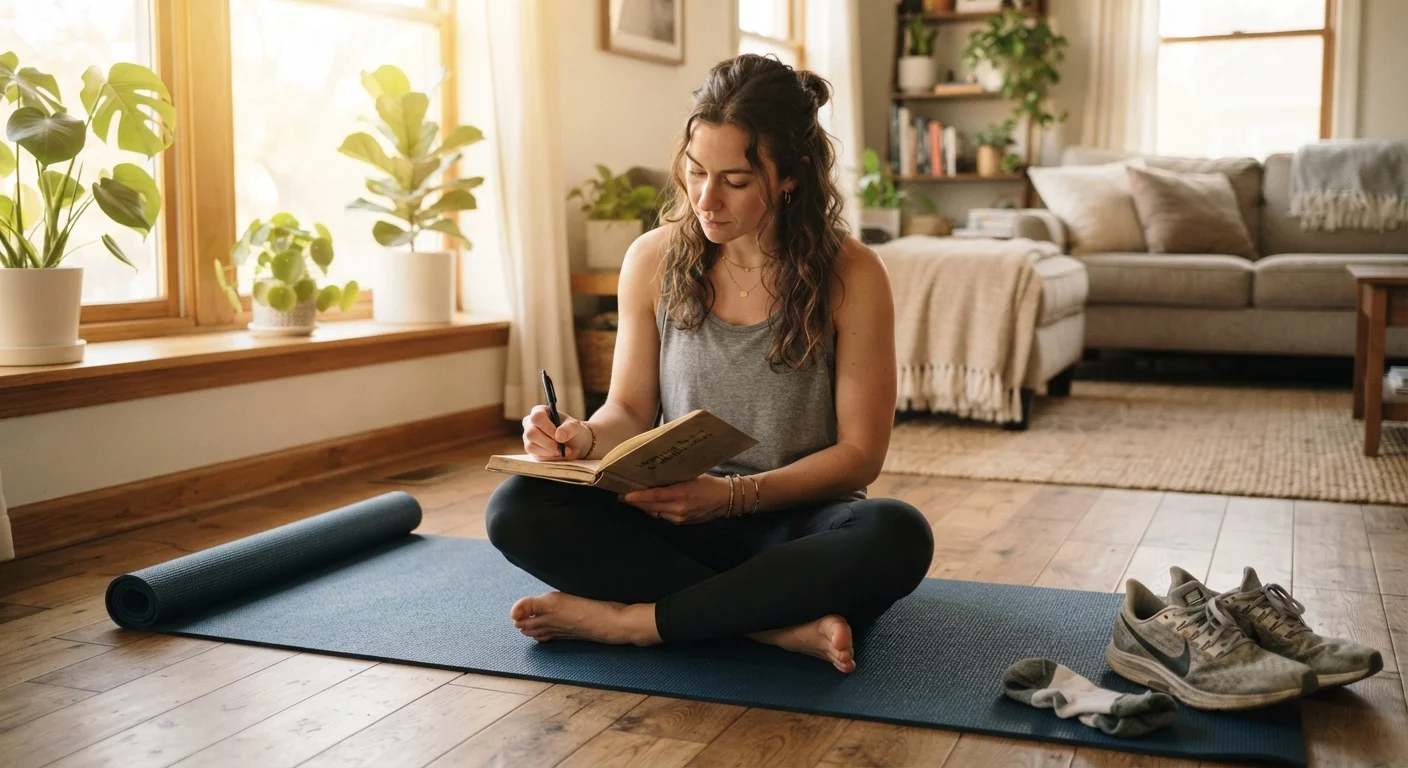
Photo: SummarizedReads.net | Just Read It! editorial
—— In This Article
Key Takeaways
- Assessing your health status before exercising helps reduce the risk of injury or overexertion.
- You do not need a gym membership or expensive equipment to start a safe, effective routine.
- Setting realistic, specific goals is strongly linked to long-term exercise adherence.
- Starting gradually and building progressively is safer than jumping into intense workouts immediately.
- Consulting a healthcare provider before starting is especially important for certain health conditions.
Why a Readiness Check Matters Before You Work Out
Starting a new exercise routine is one of the most positive steps you can take for your long-term health. But jumping in without any preparation is one of the most common reasons people get injured, burn out, or quit within the first few weeks. A brief readiness check costs you very little time and can save you a great deal of frustration.
This checklist is designed for everyday people - not athletes - who want to build movement into their lives without a gym membership or expensive gear. Whether you plan to walk the neighborhood, follow along with free online videos, or do bodyweight exercises at home (see our guide on building a sustainable exercise habit at home for practical ideas), the steps below apply equally.
Work through each section honestly. This is not a test - it is a tool to help you start smarter.
Consult a Professional First If You're Unsure
This checklist is general health information, not personalized medical advice. If you have a diagnosed health condition, have been sedentary for more than a year, or experience any unusual symptoms such as chest tightness, dizziness, or joint pain, speak with a qualified healthcare provider before beginning any new exercise program. Getting clearance is not a setback - it is what makes a sustainable start possible.
What You'll Need to Get Started
The good news for budget-conscious beginners: almost everything on this list is free or already in your home. Review the tools below before working through the checklist groups.
Notebook or phone notes app
Record your goals, schedule, and any health notes as you work through this checklist.
Supportive footwear
Proper shoes appropriate for your activity reduce impact stress and the risk of lower-limb injury.
Water bottle
Staying hydrated before, during, and after exercise supports performance and recovery.
Calendar or scheduling app
Blocking time for workouts in advance dramatically increases the likelihood of following through.
Exercise mat
Provides cushioning and grip for floor-based movements such as stretching or bodyweight exercises.
Free fitness video platform or library app
Gives access to guided beginner workouts without a gym membership or subscription cost.
The Readiness Checklist
Work through each group in order. Items marked must are non-negotiable for a safe start. Items marked should are strongly recommended, and nice to have items are optional enhancements that can improve your experience over time.
Health & Medical Clearance
Goal Setting & Motivation
Environment & Equipment Check
Schedule & Sustainability Planning
Avoid the 'Too Much, Too Soon' Trap
One of the most documented causes of exercise dropout and injury is starting at an intensity that is too high for a beginner's current fitness level. The early weeks of a new routine should feel manageable, not exhausting. If you leave every session feeling depleted rather than energized, scale back rather than pushing through - your body needs time to adapt, and that adaptation happens between sessions, not during them.
Once you have worked through this checklist, you will have a clear picture of where you stand. If you identified any health concerns, schedule that professional consultation before moving forward. If everything looks good, you are ready to build - and you can pair this readiness work with a broader self-care starter framework to support your overall wellbeing at little to no cost.
This article is for general informational and educational purposes only and is not a substitute for personalized medical advice. Always consult a qualified healthcare professional before beginning a new exercise program, particularly if you have any existing health conditions, are pregnant, are elderly, or have been inactive for an extended period.

Health Editorial Team
Health Editorial Team is the collective byline for our editorial team and contributor network. Articles published under this byline or an editorial pen name are researched, written, and reviewed according to our editorial standards for clarity, consistency, and independence before publication.
View author profile