
Micronutrients: A Plain-Language Guide to Vitamins and Minerals
A clear reference covering the key vitamins and minerals your body needs, what they do, and which foods supply them.
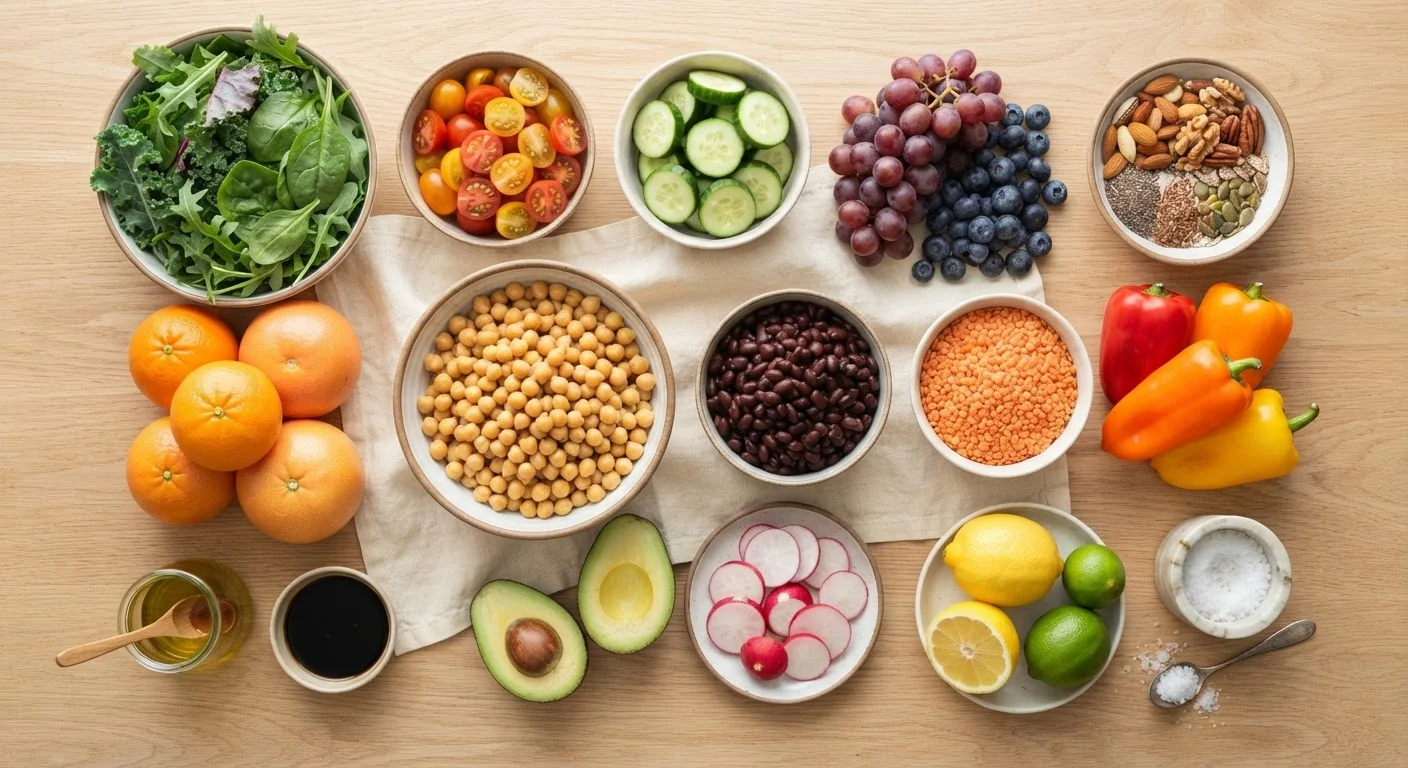
Photo: SummarizedReads.net | Just Read It! editorial
—— In This Article
What Are Micronutrients and Why Do They Matter?
Micronutrients are the vitamins and minerals your body needs in relatively small amounts to function properly. Unlike carbohydrates, protein, and fat, micronutrients don't supply calories - they support nearly every biological process, from converting food into energy to keeping your immune system, bones, and nervous system working as they should.
The body cannot manufacture most micronutrients on its own, so they must come from food. Falling consistently short of one or more can affect your health over time, though the specific effects vary widely by nutrient and individual. This guide is general health information - always consult a qualified healthcare professional about your personal nutritional needs.
| Number of essential vitamins | 13 (4 fat-soluble, 9 water-soluble) (National Institutes of Health, Office of Dietary Supplements) |
| Essential dietary minerals | More than 20, including macro- and trace minerals (National Academies of Sciences, Dietary Reference Intakes) |
| Most common global deficiency | Iron deficiency, affecting an estimated 2 billion people (World Health Organization) |
| Vitamin D source challenge | Few foods naturally contain significant vitamin D (NIH Office of Dietary Supplements) |
| B12 and plant-based diets | B12 is found almost exclusively in animal-derived foods (NIH Office of Dietary Supplements) |
Key Vitamins: What They Do and Where to Find Them
Vitamins are organic compounds divided into two categories based on how your body stores them.
Fat-Soluble Vitamins (A, D, E, K)
These dissolve in fat and are stored in the liver and fatty tissue, so your body can draw on reserves between meals. Because they accumulate, excessive supplementation can cause problems - another reason to prioritize food sources and seek professional guidance before supplementing.
- Vitamin A: Supports vision, immune defense, and skin cell renewal. Found in liver, dairy, eggs, and as beta-carotene in orange and dark-green vegetables like sweet potatoes and spinach.
- Vitamin D: Supports calcium absorption and bone health; also involved in immune function. Produced by skin exposure to sunlight; dietary sources include fatty fish, eggs, and fortified milk.
- Vitamin E: Acts as an antioxidant protecting cells. Found in nuts, seeds, and vegetable oils.
- Vitamin K: Essential for blood clotting and bone metabolism. Leafy greens such as kale and broccoli are among the richest sources.
Water-Soluble Vitamins (C and B Vitamins)
These are not stored in large amounts, so consistent daily intake matters more.
- Vitamin C: Antioxidant; supports collagen production and immune function. Citrus fruits, bell peppers, and strawberries are excellent, affordable sources.
- B Vitamins (B1, B2, B3, B5, B6, B7, B9, B12): This group drives energy metabolism, red blood cell production, and nervous system health. Whole grains, legumes, eggs, meat, and leafy greens collectively cover most B vitamins. Vitamin B12 is found almost exclusively in animal products, so people following plant-based diets should discuss supplementation with a healthcare provider.
- Folate (B9): Particularly important for cell division and is especially critical during pregnancy - those who are pregnant or planning pregnancy should consult a clinician about their specific needs.
Micronutrient
A vitamin or mineral required by the body in small quantities to support normal growth, metabolism, and overall health. Unlike macronutrients, micronutrients provide no calories.
Fat-Soluble Vitamin
A vitamin (A, D, E, or K) that dissolves in fat and is stored in the body's fatty tissue and liver. Because these accumulate, excessive intake from supplements can potentially cause harm.
Water-Soluble Vitamin
A vitamin (C or any of the B vitamins) that dissolves in water and is not stored in significant amounts. Excess amounts are generally excreted in urine, making regular dietary intake important.
Daily Value (%DV)
A reference figure used on US nutrition labels showing what percentage of a nutrient's general daily recommended amount one serving of a food provides. It is based on a 2,000-calorie diet and is a general guide, not a personal prescription.
Antioxidant
A compound that helps protect cells from damage caused by unstable molecules called free radicals. Several vitamins and minerals, including vitamins C, E, and selenium, have antioxidant properties.
Heme Iron
A form of iron found in animal foods, particularly red meat and shellfish, that is absorbed more efficiently by the body than non-heme iron from plant sources.
Key Minerals: Functions and Food Sources
Minerals are inorganic elements that support structural and regulatory roles throughout the body.
- Calcium: Builds and maintains bones and teeth; also supports muscle contraction and nerve signaling. Dairy products, fortified plant milks, tofu made with calcium salts, and leafy greens provide calcium.
- Iron: Carries oxygen in red blood cells. Red meat and shellfish supply highly absorbable heme iron; lentils, beans, and fortified cereals offer non-heme iron, which is better absorbed when eaten alongside vitamin C-rich foods.
- Magnesium: Involved in hundreds of enzymatic reactions, including energy production and muscle function. Found in nuts, seeds, legumes, and whole grains.
- Potassium: Helps regulate fluid balance and blood pressure. Bananas, potatoes, beans, and leafy greens are solid sources.
- Zinc: Supports immune response, wound healing, and taste perception. Meat, shellfish, legumes, and pumpkin seeds contribute meaningfully to intake.
- Iodine: Essential for thyroid hormone production. Iodized salt and seafood are primary sources in the US diet.
- Selenium: An antioxidant mineral important for thyroid function. Brazil nuts are unusually rich; fish and whole grains also contribute.
Pairing a varied weekly shop with awareness of these sources is a practical, budget-friendly starting point for most households.
Absorption Can Vary by Food Pairing
How well your body absorbs certain minerals depends partly on what else you eat at the same time. For example, vitamin C enhances iron absorption from plant-based foods, while calcium can reduce iron absorption when consumed together in large amounts. These interactions are generally minor in the context of a varied diet, but they are worth knowing if you are managing a specific deficiency under a clinician's guidance.
Getting Enough Without Overcomplicating Your Diet
For most people eating a varied diet that includes vegetables, fruits, whole grains, legumes, and some protein sources, serious micronutrient deficiencies are uncommon. Variety itself is one of the most effective strategies - rotating through different produce and protein sources naturally broadens nutrient coverage.
When reading food packaging, the % Daily Value (%DV) on a nutrition label signals how much of a nutrient a serving provides relative to general daily reference amounts. Our guide to reading a nutrition label explains how to interpret those figures confidently. For broader context, our beginner's guide to healthy eating habits ties micronutrients into a full picture of good nutrition.
Supplements can fill genuine gaps, but they are not a substitute for a varied diet and shouldn't be started without a reason. Some populations - older adults, people who are pregnant, those with limited sun exposure, or people following restrictive diets - are more likely to have specific needs. A registered dietitian or physician can assess your individual status and make evidence-based recommendations.
This article is for general informational purposes only and is not a substitute for professional medical or nutritional advice. Consult a qualified healthcare provider before making changes to your diet or starting any supplement.

Health Editorial Team
Health Editorial Team is the collective byline for our editorial team and contributor network. Articles published under this byline or an editorial pen name are researched, written, and reviewed according to our editorial standards for clarity, consistency, and independence before publication.
View author profile