
Weekly Grocery Checklist for a Nutritionally Balanced Household
Use this checklist to ensure your weekly shop covers the key food groups, nutrients, and variety your household needs.
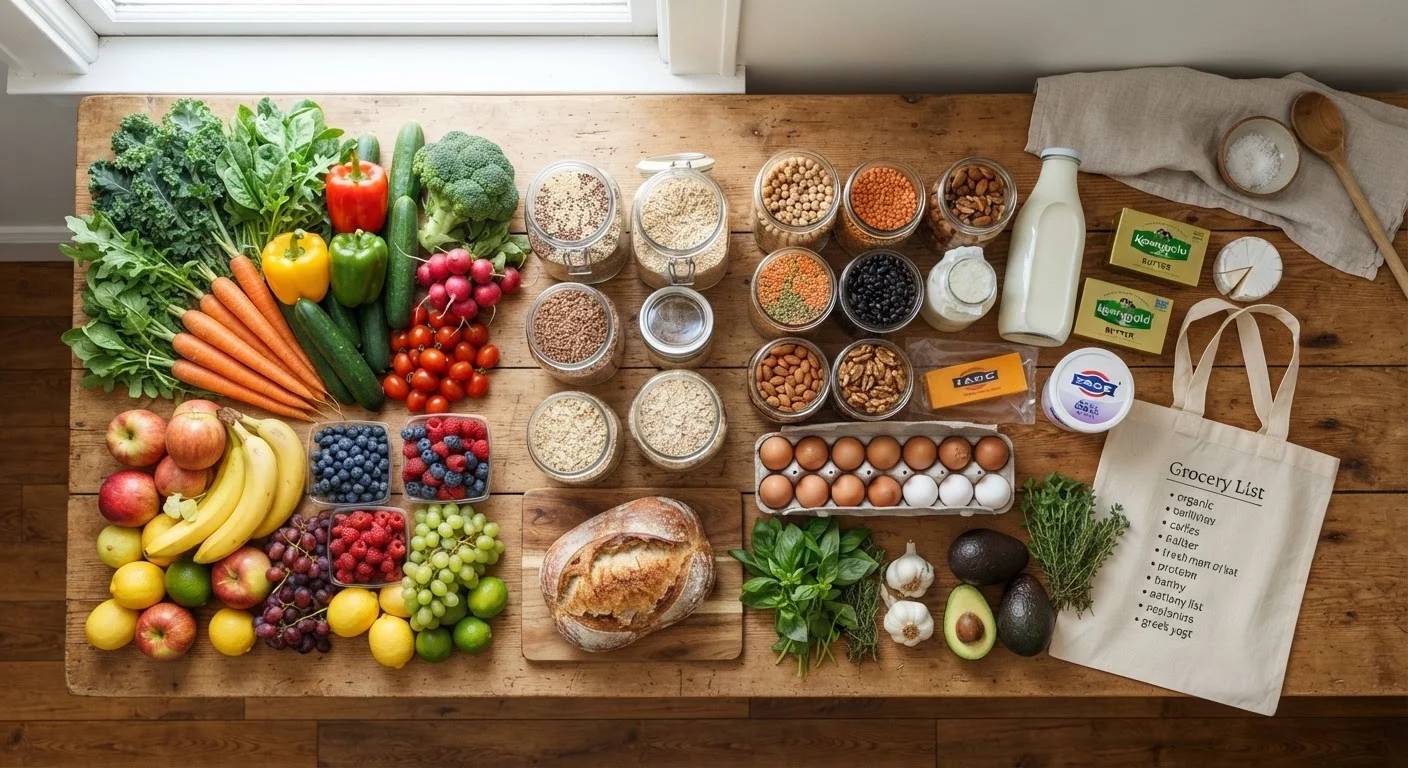
Photo: SummarizedReads.net | Just Read It! editorial
—— In This Article
Key Takeaways
- A balanced weekly shop should cover all five major food groups: vegetables, fruits, grains, protein, and dairy or alternatives.
- Buying staples like legumes, whole grains, and frozen produce is a reliable way to stretch a grocery budget without sacrificing nutrition.
- Planning before you shop reduces impulse purchases and food waste, saving both money and nutrients.
- Variety within each food group-not just quantity-is what delivers a broad spectrum of essential vitamins and minerals.
- Household members with specific health needs should get personalized guidance from a registered dietitian.
Why a Structured Grocery Checklist Matters
Most household food gaps aren't caused by lack of effort-they're caused by habit. We tend to buy what we bought last week, defaulting to familiar items while overlooking entire nutrient categories. A structured checklist interrupts that cycle by prompting you to evaluate each food group deliberately, every single week.
Research in dietary behavior consistently shows that planning meals before shopping is associated with greater diet quality and less food waste. A checklist serves as a low-effort planning scaffold: it doesn't dictate what you eat, but it ensures the raw materials for balanced eating are actually in your kitchen.
If you're also working to align your food spending with a broader budget, pairing this checklist with a monthly budget review can help you spot where grocery costs are drifting. And for a wider view of how food, sleep, and movement connect, the weekly mental health check-in is a useful companion habit.
This article provides general nutrition information and education. It is not a substitute for personalized advice from a registered dietitian or qualified healthcare provider.
This Is General Information, Not Medical Advice
This checklist is designed as a general educational tool for healthy adults. It does not account for individual health conditions, allergies, intolerances, pregnancy, or the specific needs of children or older adults. If anyone in your household has a diagnosed condition or specific dietary requirement, please consult a registered dietitian or qualified healthcare provider for personalized guidance.
What to Look for in Each Food Group
The goal isn't a perfect trolley-it's adequate coverage. Each of the five food groups contributes nutrients that the others cannot fully replace. Skipping a category for several weeks in a row is where deficiencies gradually emerge.
- Vegetables: Aim for color variety-dark leafy greens, orange and red vegetables, and cruciferous types each offer distinct phytonutrients.
- Fruits: Fresh, frozen, and canned (in juice, not syrup) all count. Frozen fruit retains most of its nutritional value and is often more affordable.
- Whole grains: Oats, brown rice, whole-wheat bread, and quinoa provide fiber and B vitamins that refined grains largely lack.
- Protein sources: Variety matters here too-legumes, eggs, fish, poultry, and nuts each contribute different amino acid profiles and micronutrients.
- Dairy or fortified alternatives: These are a primary source of calcium and, where fortified, vitamin D. If avoiding dairy, check that your alternative is genuinely fortified.
For more practical guidance on building nutrient-dense meals without overspending, see eating balanced on a tight budget. Smart shopping habits from the Shopping Tips hub can also help you apply these principles at the store.
Vegetables
Fruits
Whole Grains & Starchy Carbohydrates
Protein Sources
Dairy or Fortified Alternatives
Pantry & Hydration Essentials
Tools to Make Your Weekly Shop Easier
You don't need special equipment to use this checklist effectively, but a few simple tools can reduce friction and help you stay consistent week after week.
Running grocery list (paper or app)
Captures items as they run out during the week, so nothing essential is overlooked at the store.
Weekly meal plan template
Maps out planned meals so you can reverse-engineer exactly which ingredients each food group requires.
Freezer inventory list
Tracks what's already frozen at home to prevent duplicate purchases and reduce waste.
Nutrition reference guide (e.g., USDA MyPlate)
Provides reliable, evidence-based food group serving guidance to cross-check your weekly coverage.
Don't Rely on Supplements to Fill Gaps
A well-stocked weekly shop should be your primary source of nutrients-not supplements. Whole foods deliver fiber, phytonutrients, and synergistic compounds that isolated supplements cannot replicate. If you suspect a specific deficiency, speak with a healthcare provider before self-supplementing, as some nutrients can be harmful in excess.

Health Editorial Team
Health Editorial Team is the collective byline for our editorial team and contributor network. Articles published under this byline or an editorial pen name are researched, written, and reviewed according to our editorial standards for clarity, consistency, and independence before publication.
View author profile