
Eating Balanced on a Tight Budget: Practical Strategies That Work
Nutritious eating doesn't require expensive superfoods. Discover practical, affordable ways to build a balanced plate every day.
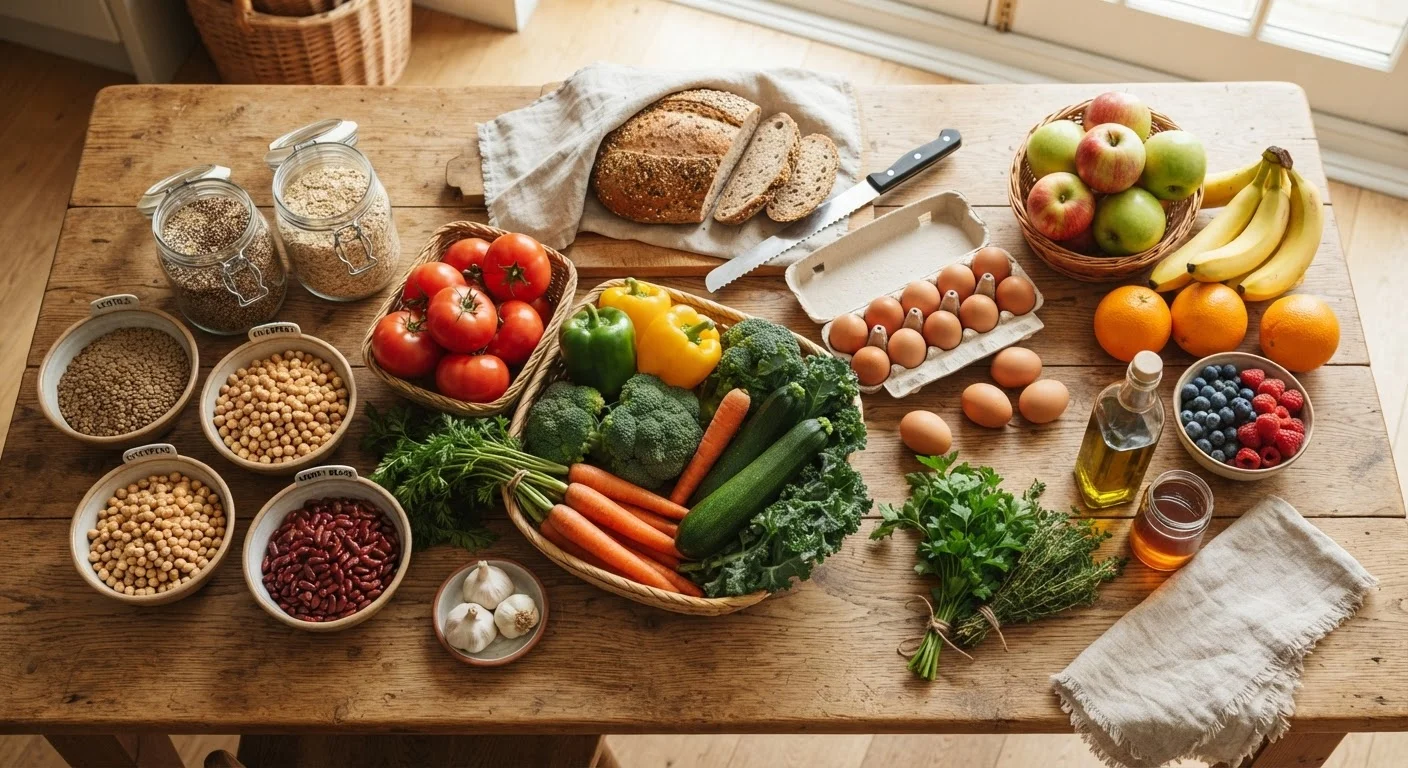
Photo: SummarizedReads.net | Just Read It! editorial
—— In This Article
Key Takeaways
- Staple foods like beans, lentils, eggs, and frozen vegetables deliver strong nutrition at low cost.
- Meal planning before shopping reduces food waste and helps stretch every grocery dollar further.
- Buying whole ingredients and cooking from scratch is almost always cheaper than convenience or processed foods.
- Frozen and canned produce is nutritionally comparable to fresh and often costs significantly less.
- A balanced plate doesn't require superfoods - variety and consistency matter more than any single ingredient.
Why Budget Eating Gets a Bad Reputation
Many people assume that eating healthfully requires expensive specialty products, organic labels, or trendy superfoods. In practice, decades of nutrition research suggest otherwise. Some of the most nutrient-dense foods available - dried lentils, canned beans, eggs, oats, and frozen spinach - are among the least expensive items on any grocery shelf.
The real barrier isn't cost. It's the gap between knowing what to eat in theory and knowing how to make it work on a real weekly budget. If you're just getting started thinking about what your meals should include, the beginner's guide to healthy eating habits offers a clear foundation before diving into budget strategy.
This article focuses on the practical mechanics: how to plan, shop, and cook in ways that consistently deliver balanced nutrition without financial strain.
Best Practices for Balanced, Affordable Eating
The following practices are grounded in established nutrition principles and real-world grocery economics. No single approach works for every household, but combining even a few of these consistently can make a meaningful difference.
Plan your meals before you shop, not after
Arriving at a grocery store without a plan almost always leads to impulse purchases and forgotten essentials, both of which drive up costs and increase food waste. A simple weekly meal sketch - even just a rough outline of dinners - gives you a targeted shopping list that you can stick to. Research on household food waste consistently links unplanned shopping to higher spoilage rates.
Build meals around affordable protein anchors
Protein is often the most expensive part of a meal when built around meat, but plant-based proteins like dried beans, lentils, chickpeas, and eggs deliver comparable protein content at a fraction of the price. These foods are also rich in fiber, iron, and other micronutrients that support overall health. Rotating in canned fish such as sardines or tuna adds variety and omega-3 fatty acids at low cost.
Embrace frozen and canned vegetables without hesitation
Vegetables are frozen or canned shortly after harvest, which means their nutrient profiles are generally well-preserved - often comparable to fresh produce by the time fresh items reach your plate after storage and transit. Frozen vegetables also eliminate spoilage risk, making it easier to always have a vegetable on hand without waste. Choosing low-sodium canned options and rinsing canned beans reduces added sodium.
Cook once and eat multiple times through the week
Batch cooking - preparing larger quantities of a base food like grains, legumes, or roasted vegetables - dramatically reduces the time and cost per meal across the week. It also lowers the temptation to reach for expensive convenience foods on busy evenings. The savings compound over time: fewer takeout orders and less food thrown away.
Prioritize seasonal and store-brand staples
Produce that is in season locally tends to be more plentiful, less expensive, and often more flavorful than out-of-season imports. Store-brand or generic versions of shelf-stable staples - oats, pasta, rice, canned goods - are typically produced to identical standards as name-brand equivalents and cost noticeably less. These small substitutions, made consistently, add up meaningfully over a month of groceries.
Quick Actions You Can Take This Week
Overhauling eating habits all at once is rarely sustainable. Instead, pick one or two concrete starting points and build from there.
For a structured approach to your weekly shop, the nutritionally balanced grocery checklist can help you ensure you're covering all key food groups without overbuying or wasting money.
Making It Stick: The Bigger Picture
Eating balanced on a budget is ultimately a skill, and like any skill it improves with repetition. The households that manage it most effectively tend to share a few traits: they cook most of their meals at home, they rely on a short list of versatile staples, and they adjust gradually rather than attempting dramatic overhauls.
~30-40%
Share of US food supply that goes to waste
According to USDA estimates, between 30 and 40 percent of the US food supply is wasted - much of it at the household level, often due to unplanned purchases and spoilage.
3-4×
Cost difference: dried beans vs. meat per gram of protein
Nutrition economists estimate that dried legumes consistently deliver protein at roughly three to four times lower cost per gram than common cuts of beef or chicken.
Budget eating also pairs naturally with other low-cost wellness habits. If you're looking to complement your nutrition improvements with movement that doesn't require a gym, the guide on staying active on a tight budget outlines genuinely affordable options. And if you're managing a broader household budget, the budgeting basics hub offers simple strategies for tracking and allocating spending across all categories.
This article is for general informational purposes only and is not a substitute for personalized advice from a registered dietitian or qualified healthcare professional. Individual nutritional needs vary. Please consult a professional for guidance tailored to your health situation.

Health Editorial Team
Health Editorial Team is the collective byline for our editorial team and contributor network. Articles published under this byline or an editorial pen name are researched, written, and reviewed according to our editorial standards for clarity, consistency, and independence before publication.
View author profile