
Reading a Nutrition Label Without Getting Lost in the Numbers
Decode nutrition facts panels confidently—from serving sizes and daily values to added sugars and sodium.
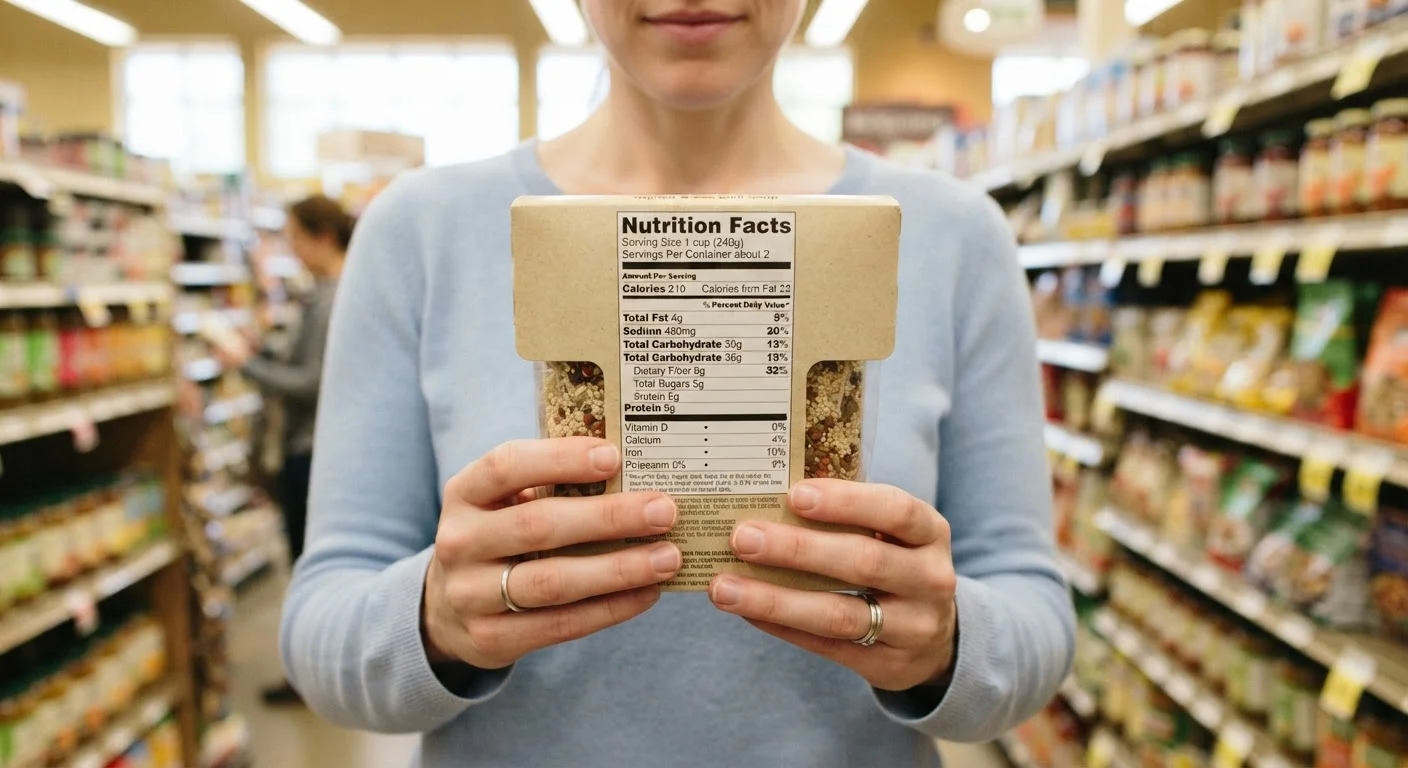
Photo: SummarizedReads.net | Just Read It! editorial
—— In This Article
Key Takeaways
- Serving size is the foundation of the entire label-always check it before reading any other number.
- Daily Value percentages tell you whether a nutrient amount is high or low relative to general guidance.
- Added sugars and sodium are two figures many Americans consistently underestimate in packaged foods.
- Ingredient lists are ordered by weight-what appears first is present in the greatest quantity.
- Focusing on three or four key figures makes label-reading faster and more practical in real life.
Why Nutrition Labels Matter More Than You Think
The Nutrition Facts panel is a standardized, federally regulated snapshot of what a food product actually contains. Yet research consistently shows that most shoppers glance at it briefly-if at all-and often focus on the wrong numbers. Learning to read it systematically transforms it from an overwhelming grid into a genuinely useful tool.
This skill matters especially when you're shopping on a budget. Cheaper and more expensive versions of the same food can have meaningfully different nutritional profiles, and the label is the only objective way to compare them. For a deeper foundation on how nutrients work in the body, see our guide to nutrition science.
A Fast Three-Number Check
Short on time in the store? Prioritize three figures: serving size, added sugars, and sodium. These three alone will catch many of the nutritional pitfalls common in packaged foods and help you make a meaningfully more informed choice in under 30 seconds.
Step-by-Step: Reading the Label from Top to Bottom
The panel is designed to be read in order. Follow these steps each time you pick up a packaged food, and the process will take under a minute once it becomes habit.
Start with Serving Size
Every number on the label-calories, fat, sodium, everything-applies to one serving, not the whole package. The serving size is listed in common household units (like cups or pieces) alongside a gram weight. Check how many servings are in the container so you can accurately assess what you'd actually consume.
Note the Calorie Count
Calories measure the energy one serving provides. This number sits prominently near the top in large type. It's a useful reference point, but it's most meaningful in context-a 200-calorie item rich in protein and fiber functions very differently in the body than a 200-calorie item composed mostly of added sugar.
Scan the Nutrients to Limit
The label groups nutrients into two categories. Saturated fat, trans fat, added sugars, and sodium are nutrients most Americans consume in excess. For these, a lower Daily Value percentage per serving is generally preferable. As a general rule of thumb used by nutrition educators: 5% DV or less is considered low; 20% DV or more is considered high.
Check the Nutrients to Encourage
Dietary fiber, vitamin D, calcium, iron, and potassium are nutrients many Americans fall short on. For these, a higher Daily Value percentage is a positive signal. Protein does not have an established Daily Value on the label, but the gram amount is listed and worth noting, particularly if protein intake is a priority for you.
Read the Ingredient List
The ingredient list appears below the Nutrition Facts panel and is ordered by weight-the first ingredient is present in the largest amount. A short ingredient list with recognizable items is generally a useful signal, though it isn't the only measure of nutritional quality. Look for whole grains, legumes, or vegetables near the top; watch for added sugars under multiple names (cane syrup, dextrose, maltose, fruit juice concentrate, and others).
If you want to understand the vitamins and minerals listed at the bottom of the panel in more detail, our plain-language guide to vitamins and minerals is a helpful companion reference.
The Numbers That Deserve the Most Attention
While every line on the label has a purpose, a few deserve special focus for most people making everyday food choices.
- Added sugars: This line, required on updated labels, separates sugars added during processing from those naturally present in ingredients like fruit or dairy. Diets high in added sugars are associated with a range of health concerns, and the amounts in packaged foods can accumulate quickly across the day.
- Sodium: Most dietary sodium doesn't come from the salt shaker-it comes from packaged and processed foods. A single serving of some soups, sauces, or snacks can account for a substantial portion of general daily guidance. For more context, read where sodium is quietly coming from.
- Saturated fat: Current dietary guidance generally recommends limiting saturated fat. The Daily Value percentage here is a practical shortcut for quick comparisons between similar products.
- Fiber: Many Americans fall short of fiber recommendations. A product providing 10% DV or more per serving is generally considered a meaningful source.
Daily Values Are General Reference Points
The Daily Values on a nutrition label are based on a 2,000-calorie reference diet and are not personalized recommendations. Your actual needs depend on age, sex, activity level, and health status. Use Daily Values as a tool for comparing products and identifying nutritional patterns, not as a precise personal target. Consult a registered dietitian if you have specific dietary needs or health conditions.
Building on this foundation, our beginner's guide to healthy eating shows how label-reading fits into broader food habits.
Common Mistakes and How to Avoid Them
Even well-intentioned shoppers make the same errors repeatedly. The most common: ignoring the serving size, then treating the entire package as a single portion. A bag of chips labeled 150 calories can easily contain three servings-making the real intake 450 calories if the whole bag is eaten.
A second frequent mistake is focusing exclusively on calories while ignoring the nutrient composition. Two foods with identical calorie counts can differ significantly in protein, fiber, sodium, and added sugar-factors that affect satiety and overall dietary quality.
Finally, don't let a front-of-package claim-"natural," "light," or "multigrain"-substitute for reading the actual panel. These terms are loosely defined and not always meaningful indicators of nutritional quality. The Nutrition Facts panel and ingredient list are the authoritative sources.
This article provides general nutrition education and is not a substitute for personalized advice from a registered dietitian or qualified healthcare professional. Individual needs vary based on health status, age, and other factors.

Health Editorial Team
Health Editorial Team is the collective byline for our editorial team and contributor network. Articles published under this byline or an editorial pen name are researched, written, and reviewed according to our editorial standards for clarity, consistency, and independence before publication.
View author profile