
Sodium in Your Diet: How Much Is Too Much, and Where It's Quietly Coming From
Most dietary sodium doesn't come from the salt shaker. Learn how to identify high-sodium foods and understand general intake guidance.
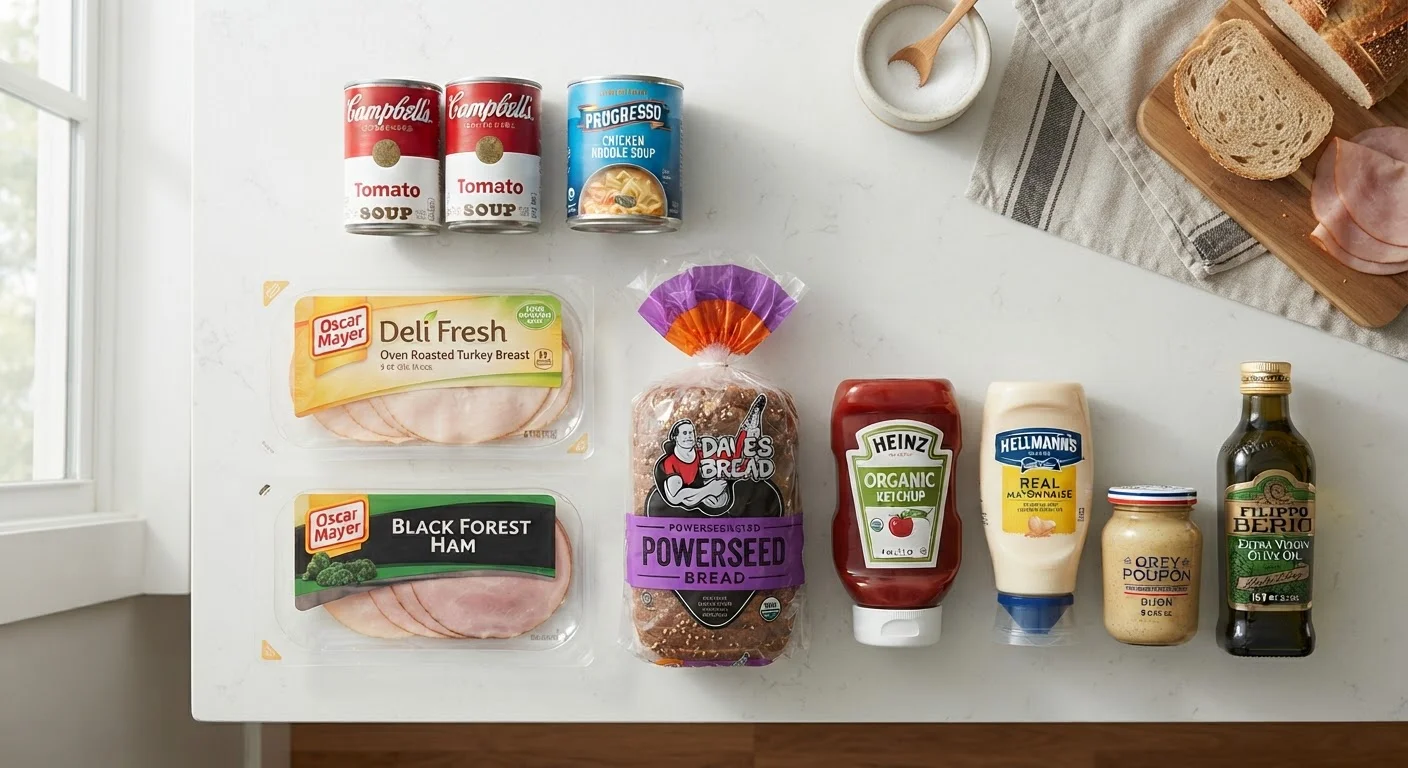
Photo: SummarizedReads.net | Just Read It! editorial
—— In This Article
What the General Guidance Says About Sodium
Sodium is an essential mineral your body uses to regulate fluid balance, support nerve function, and enable muscle contractions. The problem isn't sodium itself-it's how much most Americans consume relative to established guidance.
| Daily sodium limit (general adult guidance) | Less than 2,300 mg (Dietary Guidelines for Americans, 2020-2025) |
| Approximate teaspoons of salt in 2,300 mg sodium | ~1 teaspoon |
| Estimated share from packaged/processed foods | ~70-75% (U.S. FDA, Sodium in Your Diet) |
| Primary concern of excess sodium | Elevated blood pressure (hypertension) (American Heart Association) |
| Top food category source of sodium in U.S. diet | Breads, rolls, and grain products (CDC, Sodium and Food Sources) |
The DGA recommends that most adults consume fewer than 2,300 milligrams (mg) of sodium per day-roughly equivalent to one teaspoon of table salt. Research consistently shows average U.S. intake exceeds that threshold, often significantly. Certain populations-including people with hypertension, kidney disease, or heart conditions-may benefit from even lower targets, but those thresholds should always be discussed with a qualified healthcare provider rather than self-prescribed.
This article is for general informational purposes only and is not a substitute for personalized medical or dietary advice. Consult a qualified healthcare professional for guidance specific to your health needs.
The Salt Shaker Is Not the Main Problem
A persistent myth is that limiting table salt at meals is the most effective way to reduce sodium intake. In reality, research suggests that roughly 70-75% of dietary sodium in the American diet comes from packaged, processed, and restaurant foods-not from cooking or seasoning at the table.
That means the most impactful changes usually happen before food ever reaches your plate. Understanding where sodium hides is the first step.
3,400 mg
Average daily sodium intake for U.S. adults
According to the CDC, average American sodium consumption is well above the 2,300 mg general guidance.
70-75%
Share of sodium from processed and restaurant food
The U.S. FDA estimates most dietary sodium comes from packaged and commercially prepared foods, not home cooking.
47%
U.S. adults with high blood pressure
The American Heart Association notes hypertension affects nearly half of American adults, a condition closely linked to sodium intake over time.
Just like added sugars appear in foods you wouldn't expect-see our piece on hidden sources of added sugar-sodium follows the same pattern, showing up in foods that don't even taste salty.
Common High-Sodium Foods You May Be Overlooking
These categories are among the most significant contributors to sodium intake in the U.S. diet:
- Bread and rolls: A single slice of sandwich bread can contain 100-200 mg of sodium. Multiply that across several servings a day and it adds up quickly.
- Canned soups and broths: A standard can of condensed soup can contain well over 800 mg per serving-sometimes more than the recommended daily limit in a single bowl when prepared.
- Deli and cured meats: Preservation processes rely heavily on salt. Cold cuts, hot dogs, and sausages are consistently among the top sodium sources.
- Condiments and sauces: Soy sauce, ketchup, salad dressings, and pasta sauces can each add hundreds of milligrams per tablespoon or serving.
- Cheese: Processed and semi-hard cheeses often carry significant sodium. Even small portions can contribute meaningfully to daily totals.
- Frozen meals and pizza: Convenience foods are engineered for shelf life and flavor, often at the cost of high sodium content per portion.
Sodium
An essential dietary mineral and electrolyte that helps regulate fluid balance, blood pressure, and nerve and muscle function. It occurs naturally in some foods and is added to many others during processing.
Hypertension
A condition characterized by persistently elevated blood pressure in the arteries. High sodium intake is one of several factors associated with increased hypertension risk.
Percent Daily Value (%DV)
A figure on the nutrition facts label showing how much of a nutrient one serving provides relative to general daily recommendations. A %DV of 20% or more for sodium is generally considered high.
Low Sodium (label claim)
A regulated term meaning the food contains 140 mg or less of sodium per serving, as defined by the U.S. FDA.
Electrolyte
A mineral that carries an electric charge and is essential for bodily functions. Sodium, potassium, and chloride are common dietary electrolytes.
Learning to read a nutrition facts panel is the single most reliable skill for tracking sodium. Our guide to reading a nutrition label without getting lost in the numbers walks through exactly how to interpret the sodium line and percent daily value on any packaged food.
Practical Strategies for Reducing Intake Without Overhauling Your Diet
Lowering sodium doesn't require expensive specialty products or dramatic dietary overhauls. Small, consistent swaps across meals tend to produce meaningful changes over time.
- Compare labels within categories. Sodium content can vary widely between brands of the same product-comparing two cans of diced tomatoes or two loaves of bread takes seconds and can reveal a substantial difference.
- Look for "low sodium" or "no salt added" versions of canned goods, broth, and condiments. These are widely available and generally cost-comparable to standard versions.
- Cook dried beans instead of canned when time allows. Dried legumes contain negligible sodium, and batch-cooking them is one of the most budget-conscious habits for a lower-sodium, higher-nutrition diet.
- Build flavor with acid and aromatics. Citrus juice, vinegar, garlic, fresh herbs, and spices can reduce the need for salt without sacrificing taste.
- Stay hydrated. Fluid intake plays a role in how your body manages electrolytes including sodium-our article on hydration and nutrition covers this relationship in more detail.
Special Populations Should Seek Individual Guidance
People managing kidney disease, heart failure, or high blood pressure are often advised to follow sodium limits lower than the general 2,300 mg threshold. If you have one of these conditions-or are pregnant or managing a chronic illness-speak with your healthcare provider or a registered dietitian before making significant dietary changes. General guidance does not replace individualized care.
Gradual reduction tends to work better than abrupt cuts. Taste preferences for saltiness adapt over time, and most people find that foods they once considered adequately seasoned begin to taste salty after several weeks of modestly lower intake.

Health Editorial Team
Health Editorial Team is the collective byline for our editorial team and contributor network. Articles published under this byline or an editorial pen name are researched, written, and reviewed according to our editorial standards for clarity, consistency, and independence before publication.
View author profile