
Hidden Sources of Added Sugar in Everyday Foods
Added sugar turns up in surprising places—sauces, bread, yoghurt. Learn to spot it on labels and understand its dietary impact.
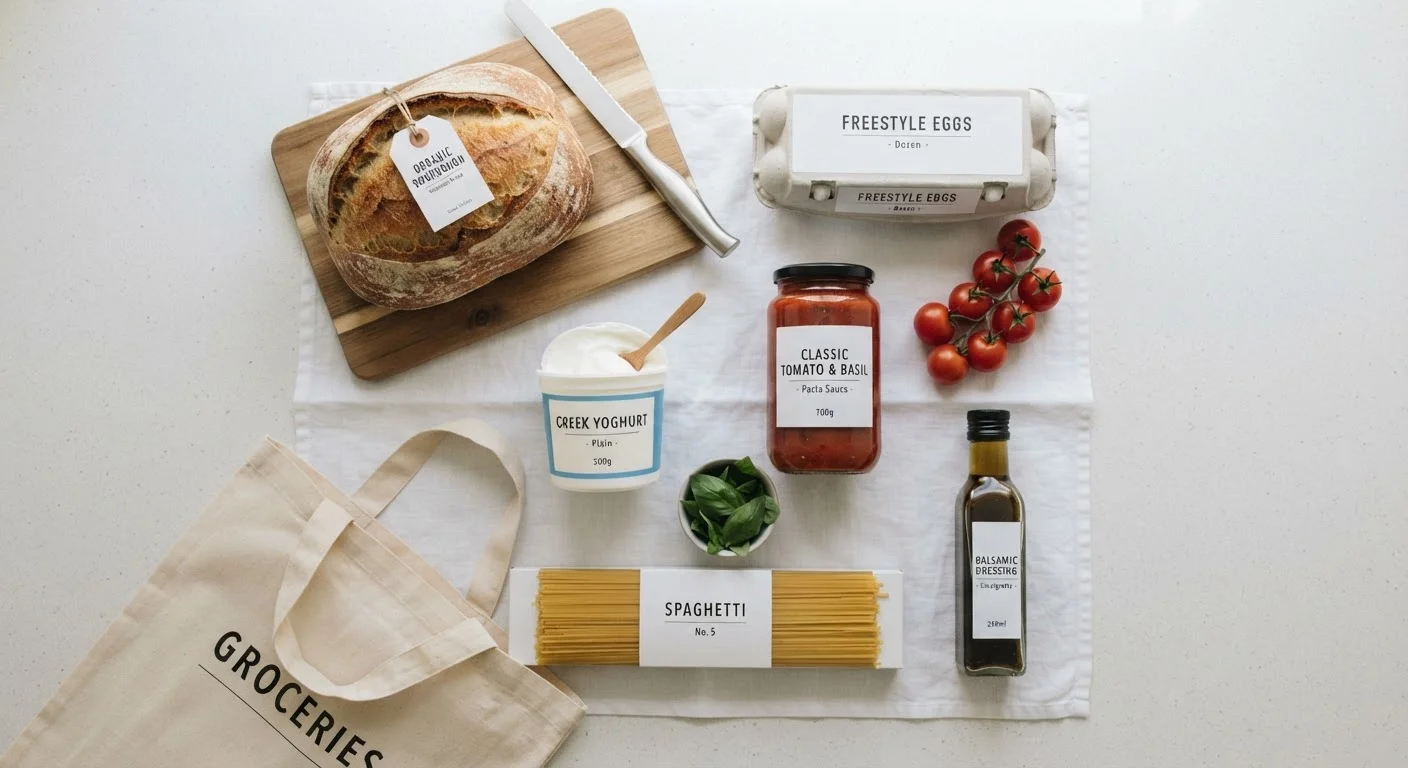
Photo: SummarizedReads.net | Just Read It! editorial
—— In This Article
Key Takeaways
- Added sugar appears in dozens of savory and "healthy" foods, not just obvious sweets.
- The Nutrition Facts label now lists added sugars separately, making it easier to track intake.
- Common aliases like dextrose, maltose, and cane juice all mean added sugar on an ingredient list.
- Condiments, bread, flavored yoghurt, and sports drinks are among the most surprising sources.
- Choosing whole, minimally processed foods is one of the most reliable ways to reduce added sugar intake.
Why Hidden Sugar Matters
Most people know that soda and candy are loaded with sugar. What's harder to see is the added sugar that accumulates quietly through the foods we consider routine or even healthy-a slice of whole-wheat bread, a cup of flavored yoghurt, a spoonful of pasta sauce. That incremental daily load adds up fast.
The Dietary Guidelines for Americans recommend that added sugars make up less than 10% of total daily calories for adults. Yet national diet surveys consistently show that many Americans exceed this threshold, largely because sugar is woven into the processed food supply far beyond the dessert aisle.
Learning to spot it is a practical skill. The updated Nutrition Facts label now requires manufacturers to list added sugars separately from naturally occurring sugars-a change designed to help consumers make more informed choices. For a full walkthrough of how to read that label, see our guide to reading a nutrition label. Below are eight everyday foods where added sugar commonly hides.
Know Your Sugar Aliases
Ingredient lists can disguise added sugar under more than 60 names. Common ones include dextrose, maltose, cane juice, evaporated cane syrup, corn syrup solids, agave nectar, and fruit juice concentrate. If any form of sugar appears in the first three ingredients, that product is likely a significant source. Scanning for these terms alongside the added sugars line on the Nutrition Facts panel gives you the full picture.
Eight Everyday Foods That Often Contain More Added Sugar Than You'd Expect
Pasta sauce and tomato-based condiments
A half-cup serving of jarred marinara can contain anywhere from 6 to 12 grams of added sugar-comparable to a small cookie. Manufacturers add sugar to balance the acidity of tomatoes, but the amounts vary significantly between brands. Checking the added sugars line and opting for versions with no added sugar, or making a quick sauce from canned whole tomatoes, can cut this source considerably.
A half-cup of jarred marinara can rival a cookie in added sugar content.
Commercially produced bread
Bread labeled "whole grain" or "multigrain" isn't automatically low in added sugar. Many commercial loaves include sugar, honey, or high-fructose corn syrup to improve texture, browning, and shelf life. Reading the ingredient list-where ingredients are ranked by weight-reveals whether sugar appears near the top.
Whole-grain labeling doesn't mean a bread is free of added sugar.
Flavored yoghurt
Plain yoghurt is a nutritious, affordable staple. Flavored varieties, however, can contain 15-25 grams of added sugar per serving, often exceeding the naturally occurring lactose already present. Choosing plain yoghurt and adding your own fruit keeps the protein and probiotic benefits while dramatically reducing the sugar load.
Flavored yoghurt can carry more added sugar per serving than many desserts.
Salad dressings
Bottled dressings-particularly low-fat and fat-free versions-frequently compensate for reduced fat by adding sugar and thickeners to restore palatability. A two-tablespoon serving of a popular low-fat balsamic dressing can contain 5-8 grams of added sugar. A simple homemade vinaigrette using olive oil and vinegar costs little and eliminates the issue entirely.
Low-fat dressings often replace fat calories with added sugar calories.
Sports and energy drinks
Unless you're engaged in prolonged, vigorous exercise, sports drinks offer little nutritional advantage over water-and a standard 20-ounce bottle can deliver 30+ grams of added sugar. Even drinks marketed around "electrolytes" or "hydration" may be primarily sugar-sweetened beverages. Water remains the most cost-effective hydration option for most daily activity levels.
Most sports drinks are sugar-sweetened beverages dressed in athletic marketing.
Granola and breakfast bars
Granola is frequently perceived as a health food, but it is often bound together with honey, brown sugar, or syrup. A single serving can supply 10-15 grams of added sugar before you've reached for anything else at breakfast. Oats cooked at home with fruit or a small amount of natural sweetener offer a genuinely lower-sugar alternative at a lower cost per serving.
Granola's wholesome image often masks a substantial added-sugar content.
Canned baked beans and savory canned goods
Baked beans are a budget-friendly protein source, but traditional recipes-and many commercial versions-include molasses or sugar as a core ingredient. A half-cup serving may contribute 10-12 grams of added sugar. Rinsing canned legumes and seasoning them yourself gives you control over both sugar and sodium content simultaneously.
Canned baked beans are among the most sugar-dense savory items on the shelf.
Instant oatmeal packets
Flavored instant oatmeal packets are a convenient breakfast, but many are pre-sweetened with 10-15 grams of added sugar-sometimes more than a glazed doughnut. Plain rolled oats cook in roughly the same time, cost significantly less per serving, and let you control sweetness with a small amount of fruit or a drizzle of honey.
A flavored oatmeal packet can rival a doughnut in added sugar despite its healthy reputation.
Building a Lower-Sugar Grocery Routine
Reducing added sugar doesn't require an overhaul of your entire diet. A few consistent habits-checking the added sugars line on Nutrition Facts panels, scanning ingredient lists for sugar aliases, and favoring plain or minimally processed versions of staple foods-can meaningfully lower your daily intake without sacrificing flavor or budget.
It's also worth noting that added sugar is only one dimension of a food's nutritional profile. Just as hidden sugar deserves attention, hidden sodium is another common concern in packaged foods. Our overview of dietary sodium covers that parallel challenge in detail.
This article is for general informational purposes only and is not a substitute for personalized nutrition or medical advice. Consult a qualified healthcare professional or registered dietitian for guidance specific to your health needs.
Naturally Occurring vs. Added Sugars
Not all sugar in food is added. Milk contains lactose and whole fruit contains fructose-both naturally occurring and accompanied by other nutrients like fiber, protein, vitamins, and minerals. The health concerns associated with excess sugar intake are primarily linked to added sugars, not the sugars naturally present in whole foods. The updated Nutrition Facts label distinguishes between the two to help consumers make that distinction clearly.

Health Editorial Team
Health Editorial Team is the collective byline for our editorial team and contributor network. Articles published under this byline or an editorial pen name are researched, written, and reviewed according to our editorial standards for clarity, consistency, and independence before publication.
View author profile