
Hydration and Nutrition: How Water Intake Affects What You Eat and How You Feel
The relationship between hydration and nutrition is closer than most people realise. Here's how fluid intake influences appetite and health.
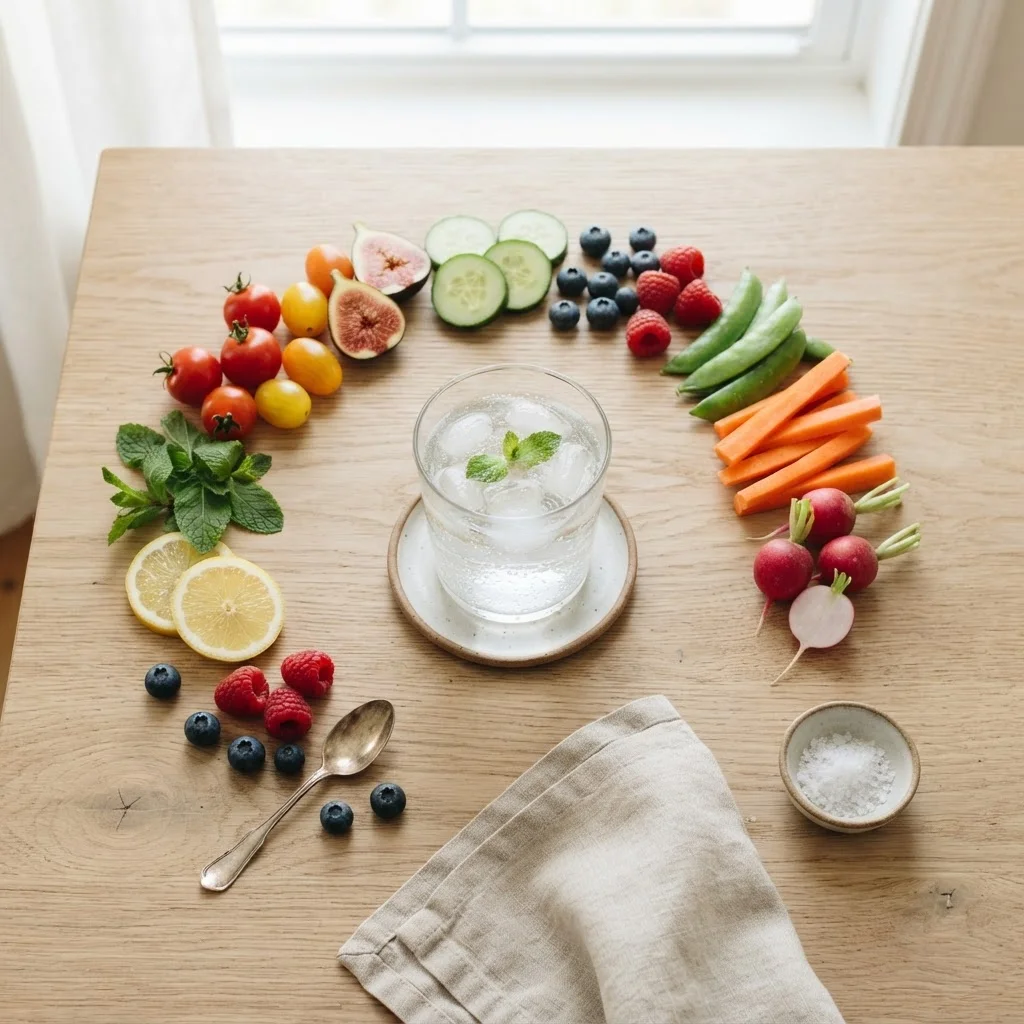
Photo: SummarizedReads.net | Just Read It! editorial
—— In This Article
Key Takeaways
- Thirst and hunger signals share overlapping brain pathways, making mild dehydration easy to misread as appetite.
- Drinking water before or with meals may support portion awareness without any cost.
- Dehydration can impair the absorption and transport of water-soluble vitamins and minerals.
- High-water-content foods like fruits and vegetables contribute meaningfully to daily fluid intake.
- Caffeinated and sugary drinks can affect hydration balance and caloric intake simultaneously.
- Individual fluid needs vary based on activity level, climate, body size, and overall diet.
Why Hydration and Nutrition Are Inseparable
Most people think about eating and drinking as separate habits, but the body treats them as one integrated system. Water is a critical medium for digestion: it helps break down food in the stomach, carries nutrients through the intestinal wall into the bloodstream, and flushes metabolic waste from cells. Without adequate fluid intake, these processes slow down or become less efficient.
The connection runs even deeper at the level of appetite. The hypothalamus - the brain region responsible for regulating thirst - also plays a central role in hunger signaling. Research has shown that mild dehydration can trigger sensations that mimic hunger, causing people to reach for food when their bodies are actually calling for water. This overlap helps explain why hydration habits can have an unexpected influence on overall caloric intake.
For a broader look at how eating patterns and body processes connect, see the full nutrition science explainer covering calories, metabolism, and gut health.
1-2%
Body water loss that impairs cognition and appetite
Research published in nutrition and physiology journals consistently finds measurable performance and appetite changes at this level of dehydration.
~20%
Daily fluid intake typically from food
The U.S. National Academies of Sciences, Engineering, and Medicine estimate that roughly 20% of total daily water intake comes from food rather than beverages.
90%+
Water content of cucumbers and lettuce
Common vegetables like cucumbers, celery, and lettuce are among the highest water-content foods, according to USDA food composition data.
How Dehydration Alters What You Eat
When the body is even mildly under-hydrated, it affects more than energy levels. Studies have found that dehydration is associated with higher consumption of foods that are dense in salt and sugar - potentially because the body seeks quick energy or electrolyte replenishment. Understanding this pattern can be useful when you notice cravings for salty snacks or sweets without an obvious cause.
Sodium intake creates its own feedback loop with hydration. A diet higher in sodium increases the body's water retention needs and can heighten thirst. To understand where dietary sodium typically comes from and how much is considered reasonable, explore this overview of sodium in the diet.
A Simple Way to Check Your Hydration
Urine color is a practical, free indicator of hydration status. Pale yellow generally suggests adequate hydration, while darker yellow or amber tones may indicate you need more fluid. This is a general guideline, not a diagnostic tool - certain supplements and medications can affect urine color regardless of fluid intake.
Water-soluble vitamins - including vitamin C and the B vitamins - depend on adequate hydration for absorption and transport. When fluid intake is chronically low, the body's ability to use these nutrients can be compromised even if the diet itself is nutritionally sound.
Practical Ways to Use Hydration to Support Your Diet
One of the most well-researched practical applications is drinking water before meals. Several studies have found that adults who drank water approximately 30 minutes before eating consumed fewer calories at that meal, without feeling deprived. This approach costs nothing and requires no special equipment - making it one of the most accessible nutrition strategies available.
Choosing high-water-content foods is another way to support hydration while improving diet quality. Cucumbers, celery, strawberries, oranges, and leafy greens are all more than 90% water by weight, and they tend to be lower in calories while providing fiber, vitamins, and minerals. Budget-conscious consumers often find these produce items affordable, especially when bought in season.
It's also worth reconsidering beverage habits. Replacing sugar-sweetened drinks with water or unsweetened options reduces caloric intake without requiring major dietary changes. While caffeinated drinks like coffee and tea still contribute to fluid intake in moderate amounts, they often come with added sugars or calories depending on preparation.
This article is for general informational purposes only and does not constitute medical or nutritional advice. Consult a qualified healthcare professional for guidance tailored to your individual health needs.
Frequently Asked Questions

Health Editorial Team
Health Editorial Team is the collective byline for our editorial team and contributor network. Articles published under this byline or an editorial pen name are researched, written, and reviewed according to our editorial standards for clarity, consistency, and independence before publication.
View author profile