
What 'Functional Fitness' Actually Means-and Why It's Worth Understanding
Functional fitness is one of the most used—and misunderstood—terms in exercise. Here's a grounded explanation of what it means and how it applies to daily life.
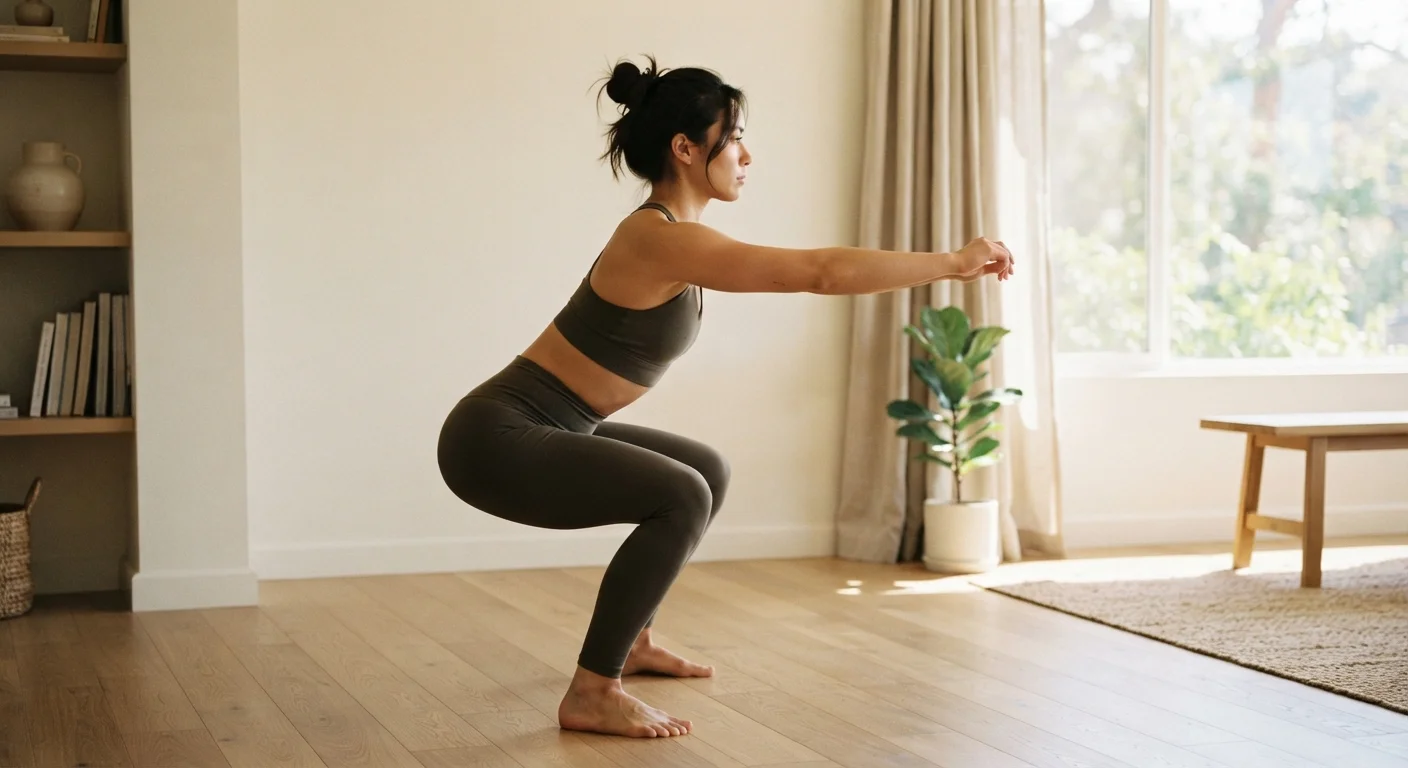
Photo: SummarizedReads.net | Just Read It! editorial
—— In This Article
Key Takeaways
- Functional fitness trains movement patterns, not just individual muscles.
- It translates directly to everyday tasks like lifting, climbing stairs, and carrying groceries.
- Most functional exercises require little or no equipment.
- It benefits people at every fitness level, not just athletes.
- Improving mobility and stability are core components of functional training.
The Concept Behind the Term
"Functional fitness" appears on gym websites, in personal trainer bios, and across social media feeds. But the term gets applied so broadly that its meaning can blur. At its core, functional fitness simply means training your body to do the things it already needs to do-carry groceries up three flights of stairs, lower yourself onto the floor and stand back up, lift a child, or reach overhead without losing balance.
This contrasts with exercise approaches that prioritize aesthetics or sport-specific performance over everyday movement capacity. A bicep curl performed seated on a weight machine, for example, builds muscle in isolation-but it doesn't train your body to stabilize, balance, and coordinate the way it would when lifting a bag off the floor. Functional training tends to favor the latter.
It's worth noting that this isn't a rigid clinical category. There's no single agreed-upon definition across the fitness industry, which is part of why the label can feel slippery. A useful working definition: if the movement pattern shows up in your daily life, training it qualifies as functional. For more context on how fitness terminology gets used and misused, see our plain-language fitness glossary.
The Movement Patterns That Matter
Functional fitness frameworks typically organize exercises around fundamental human movement patterns rather than muscle groups. These patterns include:
- Squat: Lowering and rising from a seated or crouched position (sitting down, standing up, picking things up)
- Hinge: Bending at the hips with a neutral spine (lifting objects off the ground)
- Push: Moving a load away from the body horizontally or vertically (opening doors, overhead reaching)
- Pull: Drawing a load toward the body (opening drawers, pulling yourself up)
- Carry: Moving while holding a load (groceries, luggage, a child)
- Rotate/Anti-rotate: Twisting or resisting twisting through the trunk (reaching across the body, stabilizing the core)
Training these patterns-rather than memorizing which muscles they target-tends to produce fitness that feels useful outside the gym. Mobility plays a significant role here too. If your joints can't move through a full, controlled range of motion, even well-intentioned strength work loses some of its practical value. Our article on the difference between mobility and flexibility explains why that distinction matters for how you train.
Start With What You Already Do
You don't need to overhaul your routine to train functionally. Try slowing down ordinary movements-sitting to standing without using your hands, or carrying bags one at a time to work on grip and core stability-and paying attention to how your body moves through them. Intentional practice of everyday patterns is a legitimate starting point.
Why It's Particularly Relevant for Budget-Conscious Exercisers
One underappreciated quality of functional fitness is that it doesn't require much. Bodyweight squats, lunges, push-up variations, farmer carries with household objects, and single-leg balance work are all functional-and free. The training principle is about how you move, not what equipment you use.
This makes functional fitness well-suited to people who want to stay active without a gym membership. That framing also challenges a few persistent beliefs-like the idea that you need specialized machines or a personal trainer to exercise effectively. Many of those assumptions are addressed in our look at common fitness myths that hold people back.
80%+
Adults not meeting weekly muscle-strengthening guidelines
According to the CDC, the majority of U.S. adults do not meet both aerobic and muscle-strengthening physical activity guidelines.
$0
Equipment cost for most functional exercises
Core functional movement patterns-squats, hinges, pushes, pulls-can be performed effectively using only bodyweight, making them accessible regardless of budget.
It's also worth pairing functional strength work with aerobic conditioning. Low-intensity steady-state cardio, sometimes called Zone 2 training, builds the cardiovascular base that supports sustained movement throughout the day. For an accessible explanation of that concept, see our piece on Zone 2 training and everyday fitness.
This article is for general informational and educational purposes only and does not constitute medical or professional fitness advice. Consult a qualified healthcare provider before beginning any new exercise program, especially if you have an existing health condition or injury.
Frequently Asked Questions

Health Editorial Team
Health Editorial Team is the collective byline for our editorial team and contributor network. Articles published under this byline or an editorial pen name are researched, written, and reviewed according to our editorial standards for clarity, consistency, and independence before publication.
View author profile