
Plant Protein vs. Animal Protein: Similarities, Differences, and What Matters Most
Compare plant and animal protein sources across nutrition, digestibility, and cost to understand what each brings to your diet.
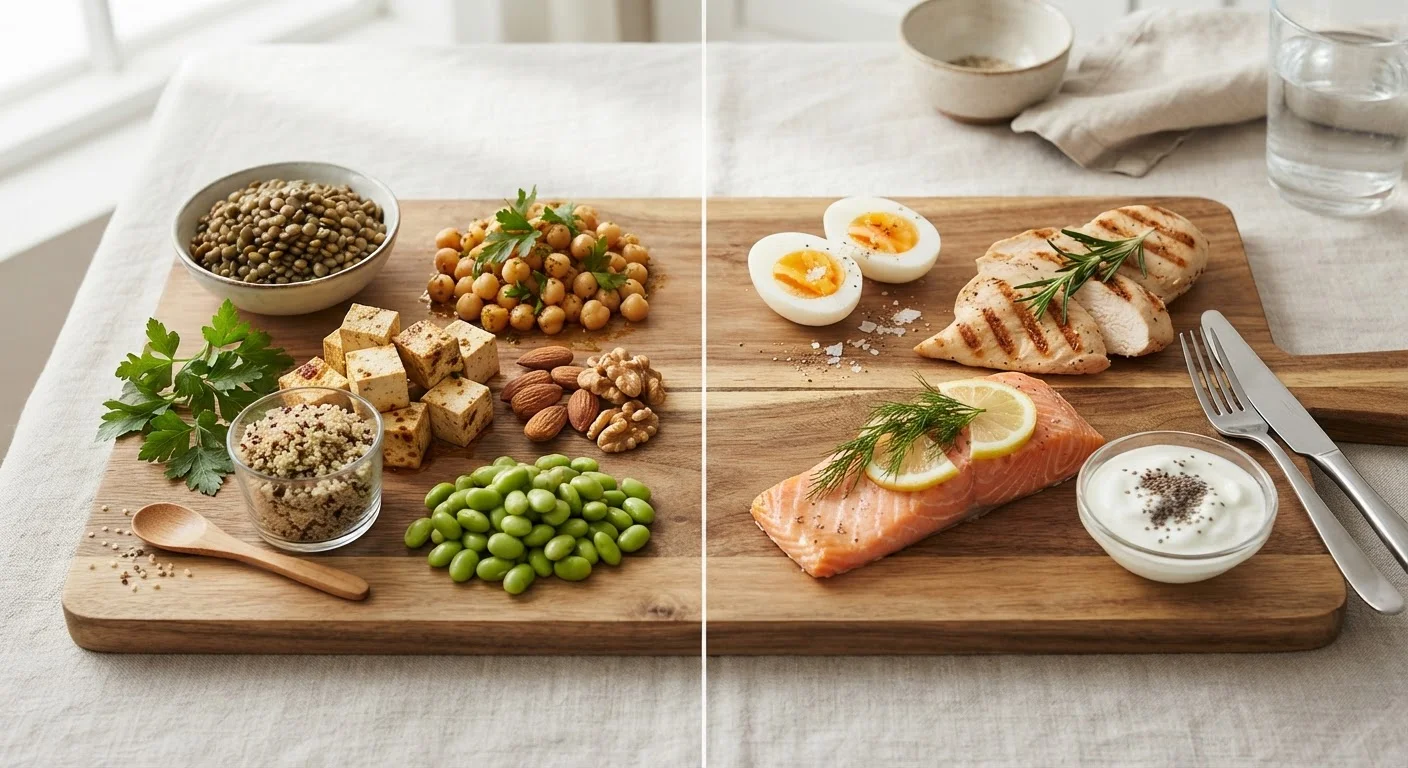
Photo: SummarizedReads.net | Just Read It! editorial
—— In This Article
Key Takeaways
- Animal proteins are generally 'complete,' containing all nine essential amino acids; most plant proteins are not, but can be combined.
- Plant proteins often cost less per gram and come packaged with fiber and other beneficial nutrients.
- Digestibility differs between sources, but both can meet daily protein needs for most healthy adults.
- A diet mixing protein sources-plant or animal-tends to support the broadest nutritional profile.
- Consulting a registered dietitian is advisable for personalized guidance, especially for special populations.
What Protein Actually Does in Your Body
Protein is one of three macronutrients-alongside carbohydrates and fat-that the body depends on for basic function. It supplies the building blocks, called amino acids, used to repair tissue, synthesize enzymes and hormones, support immune responses, and maintain muscle mass. Of the 20 amino acids your body uses, nine are classified as essential-meaning the body cannot manufacture them on its own and must obtain them through food.
This is where the plant-versus-animal debate gets its footing. A protein source containing all nine essential amino acids in adequate amounts is called complete. Most animal proteins-meat, poultry, fish, eggs, and dairy-meet this standard. Most individual plant proteins do not, though soy, quinoa, and buckwheat are notable exceptions. Understanding this distinction is useful, but it is only part of the picture. As we explain below, combining different plant sources across the day can reliably provide all essential amino acids without requiring any single complete source.
This article is for general informational purposes only and is not a substitute for advice from a qualified healthcare or nutrition professional.
Key Nutritional Differences at a Glance
Beyond amino acid profiles, plant and animal proteins differ in how they are packaged nutritionally and how efficiently the body absorbs them.
| Plant Protein | Animal Protein | |
|---|---|---|
| Amino acid completeness | Often incomplete (soy/quinoa are exceptions) | Generally complete |
| Digestibility (DIAAS) | Moderate; improved by cooking | High across most sources |
| Fiber content | Present in whole food sources | Absent |
| Typical cost per serving | Lower (legumes, tofu) | Variable; often higher |
| Saturated fat | Generally low | Varies by source; can be high |
| Key micronutrients | Iron, magnesium, folate (less bioavailable) | B12, zinc, iron (highly bioavailable) |
| Associated health outcomes | Linked to lower CVD and diabetes risk | Varies widely by type and preparation |
Digestibility is measured by a scoring system called DIAAS, which accounts for how completely a protein is absorbed and used. Animal proteins like eggs and dairy score consistently high, while many plant proteins-legumes in particular-score somewhat lower, partly due to naturally occurring compounds such as phytates and lectins that can reduce absorption. Cooking and processing reduce these compounds significantly, narrowing the gap in practice.
It is also worth noting that plant proteins come bundled with dietary fiber-something entirely absent from meat, poultry, and fish. Fiber supports digestive health, blood sugar regulation, and satiety. This is one reason whole, minimally processed food choices tend to matter as much as any single nutrient label.
Cost, Accessibility, and Environmental Footprint
For budget-conscious consumers, cost per gram of protein is a practical consideration. Dried legumes-lentils, chickpeas, black beans-and eggs consistently deliver protein at a lower cost per serving than most cuts of meat or fish. Canned beans, for example, offer a highly accessible and affordable protein option with minimal preparation time.
~$0.10-0.15
Estimated cost per gram of protein from dried lentils
USDA food data and consumer pricing analyses consistently place dried legumes among the most affordable protein sources available in US grocery stores.
~74%
Of US adults not meeting recommended vegetable and legume intake
According to the Dietary Guidelines for Americans, the vast majority of US adults consume insufficient amounts of legumes, which represent a primary affordable plant protein source.
Processed plant-based meat alternatives are an exception: many are priced at a premium and may contain high levels of sodium and additives. Reading nutrition labels carefully matters here, just as it does with any packaged food. For more on navigating label claims critically, see our piece on nutrition myths and what the evidence actually says.
Make Legumes Work Harder for You
Dried beans and lentils are among the most cost-effective protein sources available. Cook a large batch once a week and store portions in the refrigerator or freezer-they hold well and work across soups, salads, grain bowls, and wraps. This single habit can meaningfully lower your weekly grocery spend without sacrificing protein intake.
What the Research Suggests About Long-Term Health
Numerous large observational studies have examined associations between protein source and health outcomes. Some consistent patterns have emerged, though it is important to distinguish between association and causation in nutrition research.
- Red and processed meat consumption has been associated in multiple cohort studies with elevated risk of cardiovascular disease and certain cancers. The World Health Organization classifies processed meat as a Group 1 carcinogen based on sufficient evidence.
- Plant-based protein diets are associated with lower rates of heart disease, type 2 diabetes, and lower body weight in many large studies, though dietary patterns, lifestyle, and socioeconomic factors also vary between these groups.
- Fish and poultry occupy an intermediate position, generally associated with more neutral to positive outcomes compared with red and processed meat.
These associations do not mean animal protein is inherently harmful or that plant protein is universally protective. Overall dietary patterns-how you eat across weeks and months-carry far more explanatory weight than any single food source. A diet heavily reliant on ultra-processed plant foods is unlikely to produce the same outcomes as one built around whole legumes, vegetables, and grains.
Don't Confuse Plant-Based Labels with 'Healthy'
The term 'plant-based' on a food package does not automatically indicate a healthful choice. Many packaged plant-based products are high in sodium, saturated fats from tropical oils, and additives. Check the nutrition facts panel and ingredient list rather than relying on front-of-package marketing language.
Building a Practical Protein Strategy
For most healthy adults, a varied approach covering both plant and animal sources-or thoughtfully combined plant sources alone-can fully meet daily protein needs. Here are research-grounded principles that apply regardless of which direction you lean:
- Variety supports completeness. Pairing legumes with grains (rice and beans, hummus with whole-grain bread) over the course of a day provides the full range of essential amino acids. You do not need to combine them within a single meal.
- Prioritize whole over processed. Whole food sources-lentils, eggs, canned fish, edamame-tend to offer more nutritional benefit than highly processed alternatives at either end of the spectrum.
- Assess your full nutrient picture. Strict plant-based diets may require attention to nutrients more abundant in animal foods: vitamin B12, iron, zinc, calcium, and omega-3 fatty acids. Fortified foods and, where appropriate, supplements can help bridge gaps-consult a registered dietitian for individualized guidance.
- Budget strategically. Rotate between higher-cost proteins (salmon, lean beef) and lower-cost staples (eggs, canned legumes, tofu) to balance nutrition with affordability over the course of a week.
If you have a chronic health condition, are pregnant, elderly, or are managing a child's diet, personalized guidance from a qualified healthcare professional is particularly important before making significant dietary changes.

Health Editorial Team
Health Editorial Team is the collective byline for our editorial team and contributor network. Articles published under this byline or an editorial pen name are researched, written, and reviewed according to our editorial standards for clarity, consistency, and independence before publication.
View author profile