
Cortisol, Adrenaline, and the Stress Response: A Plain-Language Reference
A concise reference guide to the key hormones and systems involved in the body's stress response, explained without medical jargon.
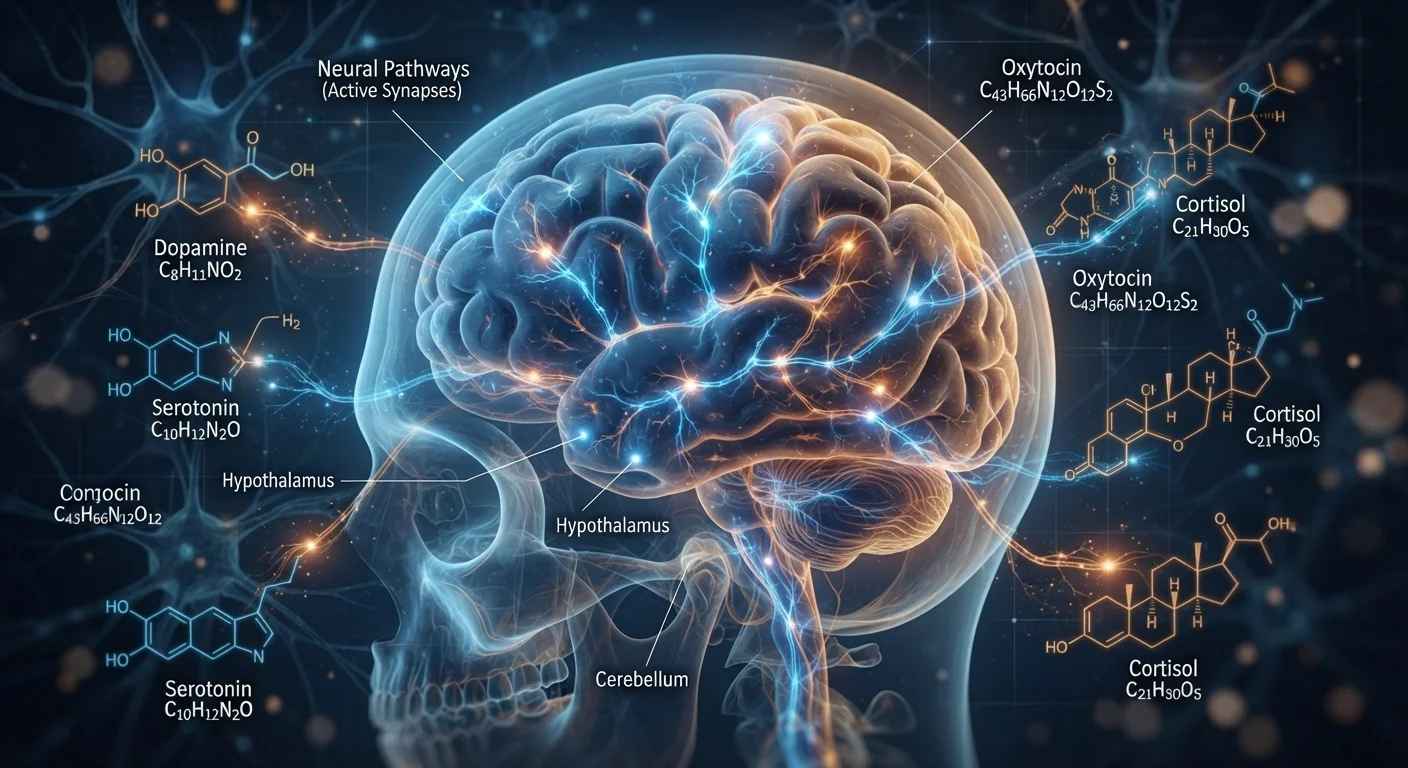
Photo: SummarizedReads.net | Just Read It! editorial
—— In This Article
What Happens in the Body When Stress Hits
When you perceive a threat - whether it's a car braking suddenly in front of you or a looming work deadline - your brain and body launch a coordinated biological response in milliseconds. Understanding this system doesn't require a medical degree. It requires knowing a handful of key players and how they interact.
| Primary stress hormones | Cortisol and adrenaline (epinephrine) |
| Glands that release stress hormones | Adrenal glands (located above the kidneys) |
| Speed of adrenaline response | Within seconds of perceived threat |
| Cortisol peak timing | Roughly 20-30 minutes after stressor onset |
| Key regulatory axis | Hypothalamic-pituitary-adrenal (HPA) axis |
| Natural cortisol pattern | Highest in the morning, lowest at night |
The stress response is often called "fight or flight," a term coined by physiologist Walter Cannon in the early 20th century. Modern research has expanded on this, identifying additional response modes such as "freeze" and "tend-and-befriend," but the core hormonal cascade remains central to how stress biology is understood today.
This article is a plain-language reference - not a substitute for medical evaluation. If stress is affecting your daily functioning, speak with a qualified healthcare professional.
The Key Hormones: Cortisol and Adrenaline Explained
Two hormones dominate most discussions of the stress response: cortisol and adrenaline (also called epinephrine). They serve different purposes and operate on different timescales.
Cortisol
A steroid hormone produced by the adrenal glands in response to stress and low blood glucose. It helps regulate energy, immune function, and the sleep-wake cycle.
Adrenaline (Epinephrine)
A fast-acting hormone and neurotransmitter released by the adrenal glands during acute stress. It rapidly increases heart rate, blood pressure, and energy availability.
HPA Axis
The hypothalamic-pituitary-adrenal axis - a three-part hormonal communication loop that regulates the body's reaction to stress and controls cortisol release.
Autonomic Nervous System
The part of the nervous system that controls involuntary functions such as heart rate, digestion, and breathing. Its sympathetic branch activates stress responses; its parasympathetic branch promotes recovery.
Fight or Flight
A term describing the body's rapid physiological response to a perceived threat, involving adrenaline release, increased heart rate, and heightened alertness.
Noradrenaline (Norepinephrine)
A hormone and neurotransmitter released alongside adrenaline during stress. It plays a key role in attention, arousal, and directing blood flow to muscles.
Adrenaline is the fast-acting hormone. Released within seconds by the adrenal glands (small glands that sit atop each kidney), it rapidly raises heart rate, redirects blood to muscles, and sharpens alertness. This is the hormone responsible for that sudden rush you feel in a frightening moment.
Cortisol is the slower, more sustained hormone. Produced along the HPA axis - a communication loop between the hypothalamus, pituitary gland, and adrenal glands - cortisol helps maintain energy availability, modulate inflammation, and keep the body in a state of heightened readiness. It peaks roughly 20-30 minutes after a stressor and can remain elevated for hours.
Cortisol also follows a natural daily rhythm, typically highest in the morning and lowest at night. Chronic stress can disrupt this rhythm, which researchers associate with disrupted sleep, mood changes, and immune function changes. For a closer look at how these hormones affect visible health, see how stress shows up on your skin.
The HPA Axis and the Nervous System: How the System Is Wired
The stress response isn't controlled by hormones alone. It is orchestrated by two overlapping systems:
- The autonomic nervous system (ANS) - specifically its sympathetic branch - triggers the near-instant release of adrenaline and noradrenaline. Once the perceived threat passes, the parasympathetic branch (sometimes called "rest and digest") works to bring the body back to baseline.
- The HPA axis manages the slower cortisol response through a hormonal chain: the hypothalamus releases corticotropin-releasing hormone (CRH), which signals the pituitary to release ACTH, which in turn prompts the adrenal glands to produce cortisol.
2
Distinct stress-response systems in the body
The autonomic nervous system and HPA axis work in parallel to manage both immediate and sustained stress reactions.
~20-30 min
Time to cortisol peak after a stressor
Research on the cortisol stress response consistently places the hormone's peak at roughly 20 to 30 minutes after the triggering event.
24-hour
Natural rhythm of cortisol release
Cortisol follows a circadian pattern; disruption of this rhythm through chronic stress is studied in relation to sleep, mood, and metabolic health.
When both systems are repeatedly activated by ongoing stress - work pressure, financial strain, relationship conflict - the body has less opportunity to return to baseline. Researchers study this sustained activation in relation to outcomes such as cardiovascular health, metabolic function, and immune regulation. To understand the physical symptoms this produces, explore why stress feels physical.
This article provides general health information and education only. It is not medical advice, and it should not replace guidance from a qualified healthcare professional regarding your personal health.

Health Editorial Team
Health Editorial Team is the collective byline for our editorial team and contributor network. Articles published under this byline or an editorial pen name are researched, written, and reviewed according to our editorial standards for clarity, consistency, and independence before publication.
View author profile