
Breathing Techniques for Anxiety: Box Breathing, 4-7-8, and Diaphragmatic Compared
Box breathing, 4-7-8, and diaphragmatic breathing are often recommended for anxiety. Here's how they differ and when each tends to be used.
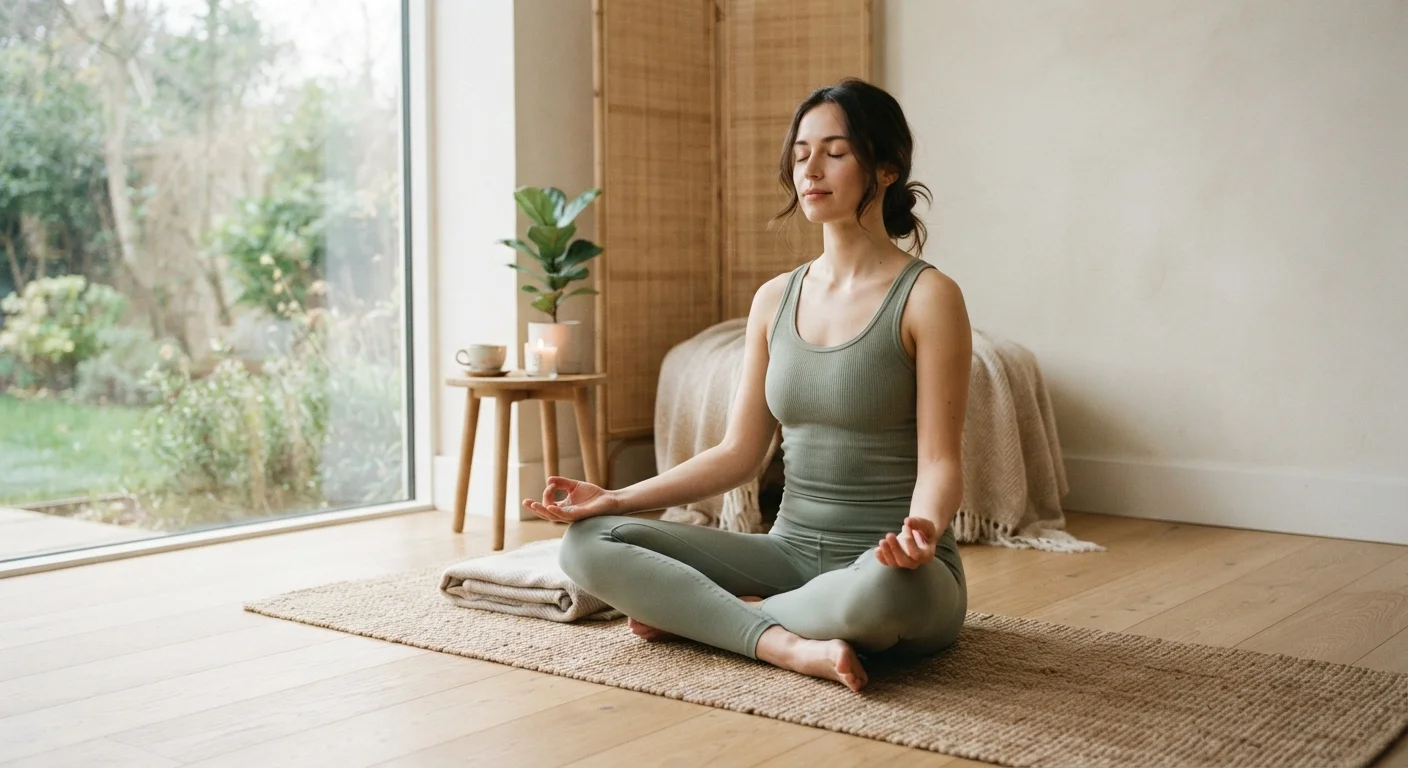
Photo: SummarizedReads.net | Just Read It! editorial
—— In This Article
Key Takeaways
- Box breathing, 4-7-8, and diaphragmatic breathing each activate the body's parasympathetic nervous system to reduce anxiety.
- Box breathing uses equal-count intervals and is widely used in high-stress professional settings.
- The 4-7-8 method emphasizes a long exhale and is often associated with promoting sleep onset.
- Diaphragmatic breathing is foundational and recommended as a starting point for beginners.
- None of these techniques replace professional mental health care for clinical anxiety disorders.
Why Breathing Techniques Are Used for Anxiety
When anxiety peaks, the body's fight-or-flight response accelerates the heart rate, tightens muscles, and shifts breathing into shallow, rapid cycles. Deliberately slowing and deepening the breath can interrupt this stress response by stimulating the vagus nerve and engaging the parasympathetic nervous system - sometimes called the "rest and digest" system.
Research in respiratory physiology and clinical psychology consistently supports slow, controlled breathing as a tool for reducing physiological arousal. However, it's important to understand that these techniques are general wellness practices and coping aids, not treatments for anxiety disorders. If anxiety is significantly interfering with daily life, consultation with a qualified mental health professional is the appropriate next step.
That said, many people find structured breathing exercises a useful, low-barrier skill to add to their self-care toolkit. Understanding how common habits can unintentionally reinforce anxiety can help readers pair breathwork with other constructive patterns.
Box Breathing, 4-7-8, and Diaphragmatic Breathing Compared
The three techniques are distinct in their counting structures and intended use cases, though all rely on the same underlying physiology. Here's a side-by-side look at how they differ:
| Box Breathing | 4-7-8 Breathing | Diaphragmatic Breathing | |
|---|---|---|---|
| Structure | 4-4-4-4 count cycle | 4-7-8 count cycle | No counting required |
| Difficulty for beginners | Moderate | Moderate to challenging | Low |
| Primary use case | Acute stress, focus tasks | Pre-sleep anxiety | Daily anxiety management |
| Breath holding involved | Yes (brief) | Yes (extended) | No |
| Evidence base | Widely studied in stress contexts | Limited but growing research | Strong clinical support |
| Suitable for discreet use | Moderately | Less so | Highly suitable |
Each method has a learning curve. Box breathing and 4-7-8 require counting, which some people find grounding but others find distracting during acute distress. Diaphragmatic breathing requires no counting at all - only a shift in how the breath is directed.
How Each Technique Works in Practice
Box Breathing
Box breathing - also called four-square breathing - follows a four-step cycle: inhale for four counts, hold for four, exhale for four, hold for four. The equal intervals create a rhythmic, predictable pattern that many people find easy to memorize. It has been incorporated into stress management training in fields such as emergency services and the military, according to publicly available accounts of its use in high-pressure settings.
4-7-8 Breathing
Developed within the integrative medicine tradition and popularized by physician Andrew Weil, the 4-7-8 method involves inhaling for four counts, holding for seven, and exhaling slowly for eight. The extended exhale is thought to produce a stronger parasympathetic effect. Some practitioners recommend it specifically for pre-sleep anxiety, though well-controlled clinical trials specifically on this technique remain limited. Those with respiratory conditions should check with a healthcare provider before practicing breath-holding techniques.
Diaphragmatic Breathing
Also called belly breathing or deep breathing, this technique focuses on expanding the diaphragm rather than the chest. Placing one hand on the belly and one on the chest, the goal is to make the belly rise on the inhale and fall on the exhale. It is the foundation of many evidence-based interventions, including cognitive behavioral therapy (CBT) programs and mindfulness-based stress reduction (MBSR). Because it has no counting requirement, it is often the most accessible for beginners.
Start With Just Two Minutes
If formal breathwork feels daunting, simply set a two-minute timer and practice whichever technique feels most comfortable. Even brief, consistent practice helps the nervous system recognize the pattern. Over time, the response may feel more automatic when stress arises.
Choosing the Right Technique for Your Situation
The "best" technique is largely the one a person will actually use consistently. Context matters: box breathing's structured counting can anchor attention during acute stress at work or before a presentation; 4-7-8's prolonged exhale may feel more natural as a bedtime ritual; diaphragmatic breathing can be practiced subtly in almost any setting, including during travel. If you're managing anxiety in transit or unfamiliar environments, practical coping strategies for travel anxiety may offer additional context.
~20
Breaths per minute at rest when anxious
Typical resting breathing rate can roughly double during acute anxiety, compared to a calm rate of around 12-20 breaths per minute, according to respiratory physiology literature.
5-6
Breaths per minute in slow breathing protocols
Controlled breathing studies often target approximately five to six breaths per minute as the range associated with increased heart rate variability and reduced subjective stress.
Regardless of technique, consistency tends to matter more than method. Practicing for even a few minutes daily may build familiarity so the technique becomes easier to access during moments of heightened stress. Anyone experiencing severe, persistent, or escalating anxiety should seek guidance from a licensed mental health professional - breathwork alone is not a substitute for appropriate care.
This article is for general informational purposes only and does not constitute medical or mental health advice. Always consult a qualified healthcare professional for concerns about anxiety or any other health condition.

Health Editorial Team
Health Editorial Team is the collective byline for our editorial team and contributor network. Articles published under this byline or an editorial pen name are researched, written, and reviewed according to our editorial standards for clarity, consistency, and independence before publication.
View author profile