
Sleep Hygiene vs. Sleep Restriction Therapy: Two Very Different Approaches to Insomnia
Sleep hygiene tips are everywhere, but sleep restriction therapy works differently. Understand how each approach tackles insomnia and who they suit.
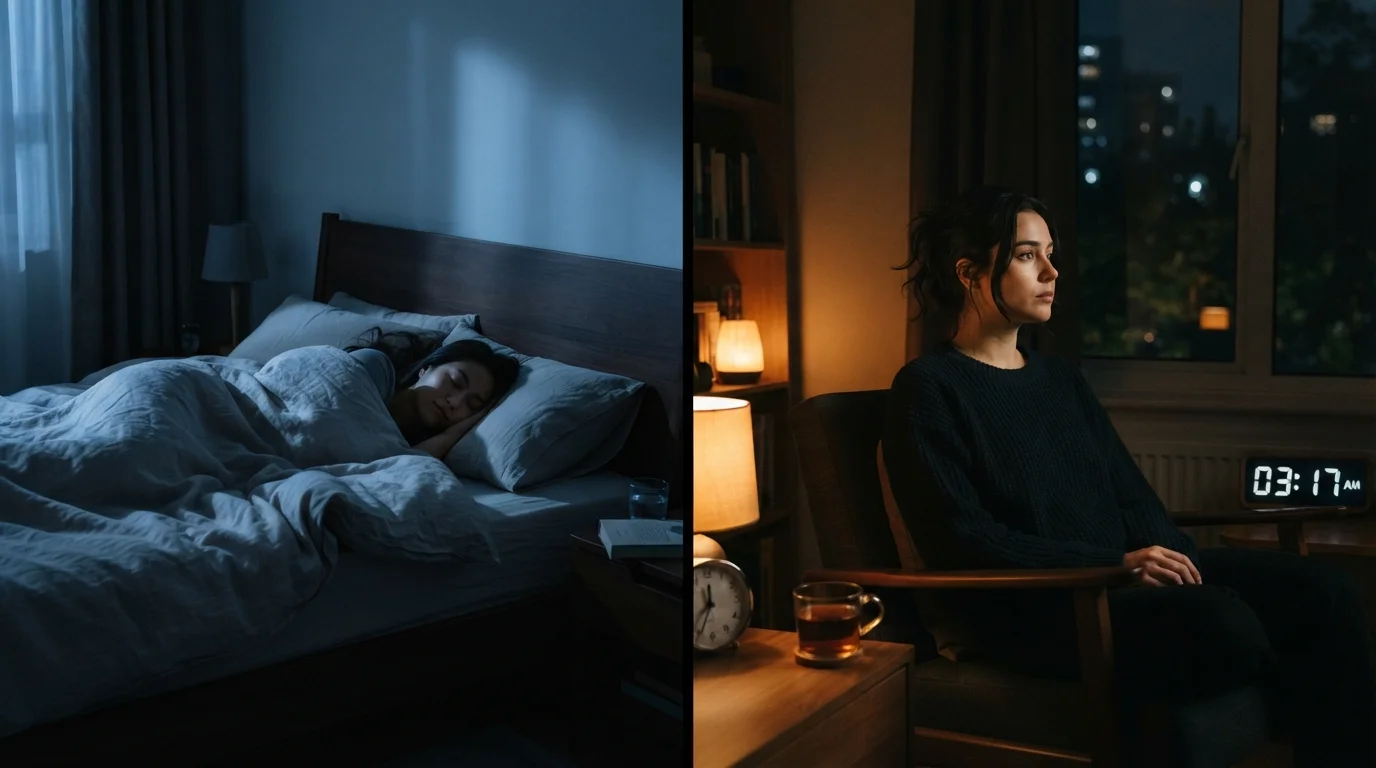
Photo: SummarizedReads.net | Just Read It! editorial
—— In This Article
Key Takeaways
- Sleep hygiene covers lifestyle habits like consistent schedules, limiting caffeine, and managing light exposure.
- Sleep restriction therapy is a clinical component of Cognitive Behavioral Therapy for Insomnia (CBT-I), not a DIY method.
- Research suggests CBT-I, including sleep restriction, outperforms sleep hygiene alone for chronic insomnia.
- Sleep restriction temporarily limits time in bed to consolidate sleep drive - it often feels harder before it gets easier.
- Sleep hygiene is a reasonable starting point; chronic insomnia warrants professional evaluation.
What Is Sleep Hygiene?
Sleep hygiene refers to a collection of behavioral and environmental practices believed to support healthy sleep. Most people encounter these tips in general wellness content: keep a consistent wake time, avoid caffeine in the afternoon, limit screen exposure before bed, keep the bedroom cool and dark, and don't lie awake in bed for long stretches.
These recommendations are grounded in sleep science and address real factors - light exposure affects melatonin production, caffeine has a half-life that lingers well into the evening, and irregular schedules disrupt circadian rhythm. For people experiencing mild or situational sleep difficulties, implementing a few targeted changes can make a genuine difference.
However, research consistently shows that sleep hygiene education alone has limited effectiveness for people with chronic insomnia - defined broadly as difficulty falling or staying asleep at least three nights per week for three or more months. It's an important foundation, but it rarely resolves entrenched insomnia on its own. A structured wind-down routine can complement these habits effectively.
| Criterion | Sleep Hygiene | Sleep Restriction Therapy |
|---|---|---|
| Type of approach | Lifestyle education | Clinical behavioral intervention |
| Best evidence for | Mild or situational sleep issues | Chronic insomnia (3+ months) |
| Delivered by | Self-guided | Trained clinician (CBT-I provider) |
| Typical timeline | Weeks of consistent habit change | 6-8 week structured program |
| Comfort level | Generally low discomfort | Often uncomfortable early on |
| Long-term durability | Moderate (depends on adherence) | High - benefits persist post-treatment |
| Part of CBT-I? | Yes, as one component | Yes, as a core technique |
What Is Sleep Restriction Therapy?
Sleep restriction therapy (SRT) is a specific behavioral technique delivered as part of Cognitive Behavioral Therapy for Insomnia, or CBT-I - currently the first-line treatment recommended by major sleep medicine organizations for chronic insomnia. It works on a counterintuitive principle: temporarily reducing the time allowed in bed to match the person's actual sleep time, building a stronger biological drive to sleep.
In practice, a clinician establishes a sleep window - often shorter than the person wants - and the individual sticks to it strictly, regardless of how tired they feel. Over successive weeks, as sleep efficiency improves, the window gradually expands. The process is uncomfortable at first. Daytime sleepiness is common during the early phase, which is why SRT should be guided by a trained professional, particularly for anyone with conditions like epilepsy, bipolar disorder, or those who operate heavy machinery.
70-80%
Patients who improve with CBT-I
Research reviews, including those published in Sleep Medicine Reviews, consistently report that 70-80% of people with chronic insomnia show meaningful improvement through CBT-I programs.
1 in 3
U.S. adults reporting short sleep duration
The CDC reports that approximately one in three American adults do not regularly get the recommended amount of sleep, highlighting how widespread sleep difficulties are.
The evidence base for CBT-I is substantial. Multiple meta-analyses have found it produces durable improvements in sleep onset, total sleep time, and sleep efficiency - often outperforming sleep medication in long-term outcomes. Unlike medication, the benefits tend to persist after treatment ends.
Where They Diverge - and Where They Overlap
The most important distinction is clinical depth. Sleep hygiene is educational - it tells you what conditions support sleep. Sleep restriction therapy is a targeted intervention that actively reshapes the brain's association between the bed and sleep, and resets the homeostatic sleep drive that chronic insomnia disrupts.
They're not mutually exclusive. CBT-I programs typically incorporate sleep hygiene as one component alongside sleep restriction, stimulus control (retraining the brain to associate bed with sleep), and cognitive restructuring (addressing anxiety-driven thought patterns about sleep). Think of sleep hygiene as one tool in a larger toolkit - necessary but insufficient for many people with chronic insomnia.
It's also worth noting what neither approach is: a quick fix. Sleep hygiene takes consistency over weeks to show results. Sleep restriction therapy often makes sleep feel worse before it improves. Both require patience and, for SRT, professional guidance. If you're curious about how morning habits connect to nighttime sleep quality, our piece on building a realistic morning routine explores how daytime structure shapes nightly rest.
Not every bedtime habit is equally effective, either - some feel soothing but don't meaningfully improve sleep architecture. For a closer look at that distinction, see which night routine habits actually help vs. which feel like they do.
Sleep Restriction Is Not the Same as Sleep Deprivation
Sleep restriction therapy is sometimes confused with simply forcing yourself to sleep less. In a clinical context, it's a carefully calibrated protocol tied to your actual average sleep time - not an arbitrary limit. The goal is to consolidate fragmented sleep, not to exhaust you. Because early phases can cause significant daytime sleepiness, it's important to discuss safety considerations (such as driving) with your provider before starting.
This article is for general informational purposes only and is not a substitute for medical advice. If you're experiencing persistent sleep difficulties, please consult a qualified healthcare professional or a board-certified sleep specialist.

Health Editorial Team
Health Editorial Team is the collective byline for our editorial team and contributor network. Articles published under this byline or an editorial pen name are researched, written, and reviewed according to our editorial standards for clarity, consistency, and independence before publication.
View author profile