
Before Calling a Contractor: A Homeowner's Pre-Project Checklist
Get quotes, verify licences, and set expectations before work begins. A practical checklist to protect you from common contracting pitfalls.
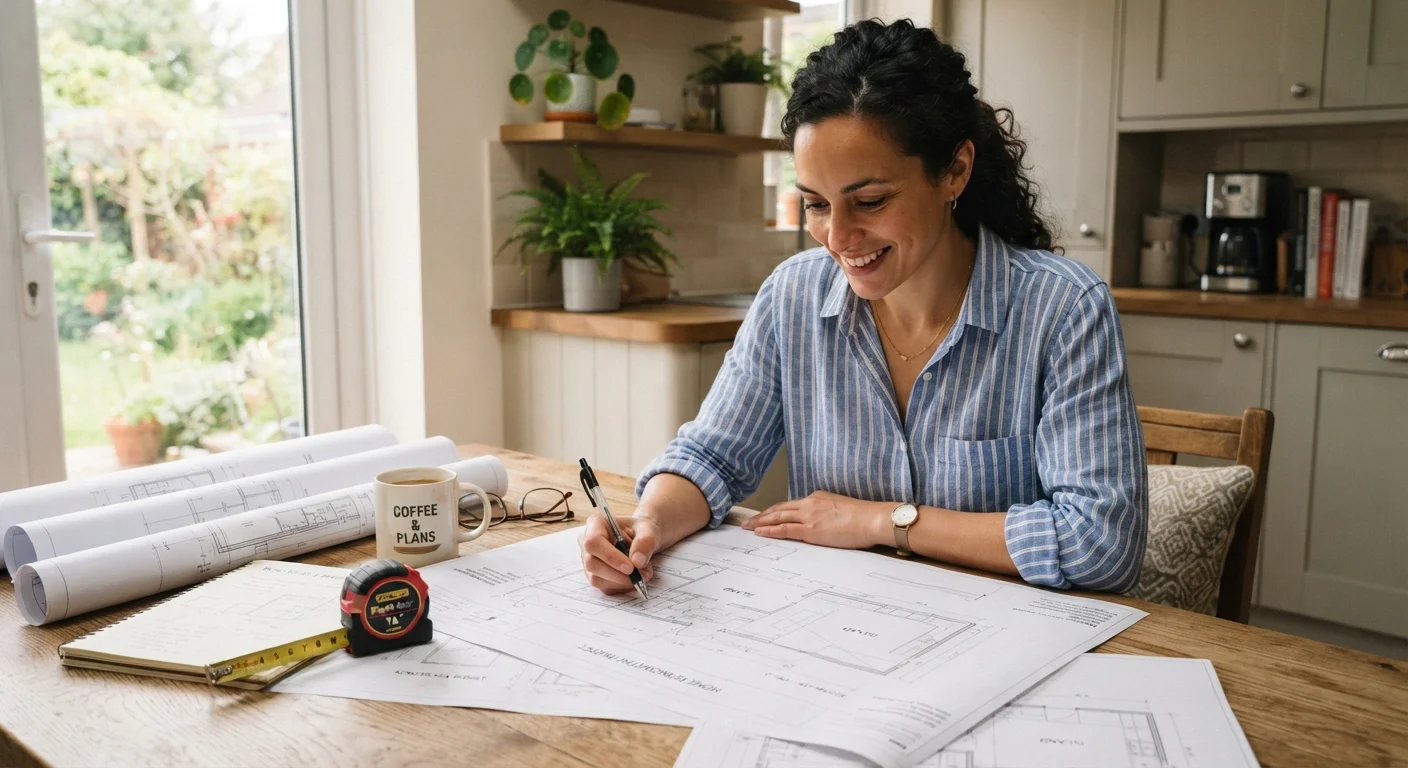
Photo: SummarizedReads.net | Just Read It! editorial
—— In This Article
Key Takeaways
- Define your project scope clearly before contacting any contractor to get accurate, comparable quotes.
- Always verify a contractor's licence, insurance, and references before signing anything.
- Understand permit requirements upfront - skipping them can create serious legal and insurance problems.
- A detailed written contract protects both parties and should be reviewed carefully before work begins.
- Knowing your payment terms and project timeline helps you avoid common scheduling disputes.
Why Preparation Matters Before the First Call
Hiring a contractor is one of the most significant financial decisions a homeowner makes - yet many people pick up the phone before they've thought through the basics. The result is often vague quotes, missed permit requirements, or a scope of work that expands (and so does the bill) once someone is already on site.
This checklist walks you through what to know, gather, and verify before you invite anyone to give you a bid. It applies whether you're planning a bathroom renovation, a roof replacement, or a kitchen remodel. Budget-conscious homeowners especially benefit from doing this homework upfront: a well-defined project attracts more accurate quotes and limits the opportunity for unexpected charges later.
If your project may involve financing, it's also worth reviewing your financial readiness early - see our pre-application credit checklist for guidance on assessing your position before borrowing.
Project notebook or digital document
Record your project description, measurements, questions, and notes from contractor conversations in one organised place.
Tape measure
Take accurate room or area measurements to include in your project scope and help contractors quote accurately.
State contractor licence lookup tool
Verify that any contractor you're considering holds a current, valid licence in your state - available on most state licensing board websites.
Home insurance policy documents
Review your current coverage before work begins so you understand what's protected during construction and what may not be.
Local building department contact
Confirm which permits your project requires and what inspections are scheduled - your local municipality's website is the authoritative source.
Checklist: What to Have Ready Before You Call
Work through these groups in order. Each one builds on the last, so that by the time you speak with a contractor, you'll have a clear picture of what you need and what questions to ask.
Define Your Project Scope
Set Your Budget and Timeline
Understand Permit Requirements
Verify Contractor Credentials
Collect and Compare Quotes
Review the Contract Before Signing
Never Pay in Full Before Work Is Complete
A common contracting scam involves requesting full or near-full payment upfront, then disappearing or delivering substandard work. A reasonable deposit - typically 10-30% depending on your state's laws - is normal for larger projects. Tie subsequent payments to verifiable milestones and hold a meaningful final payment until you've inspected the completed work and are satisfied. Some states regulate maximum allowable deposits by law; check your state's contractor regulations.
Verbal Agreements Offer Little Protection
No matter how trustworthy a contractor seems, always insist on a signed written contract before any work begins or money changes hands. Verbal agreements are extremely difficult to enforce and leave both parties exposed to misunderstandings about scope, cost, and timeline. If a contractor refuses to provide a written contract, treat that as a serious warning sign.
For projects that may trigger permit requirements - including structural changes, electrical upgrades, or plumbing modifications - our guide on when permits are required for home improvement explains the process and why skipping this step can affect your insurance and future home sale.

Home Editorial Team
Home Editorial Team is the collective byline for our editorial team and contributor network. Articles published under this byline or an editorial pen name are researched, written, and reviewed according to our editorial standards for clarity, consistency, and independence before publication.
View author profile