
The Hidden Costs First-Time Renovators Rarely Budget For
Permits, waste disposal, structural surprises — renovation budgets balloon when these overlooked expenses catch homeowners off guard.
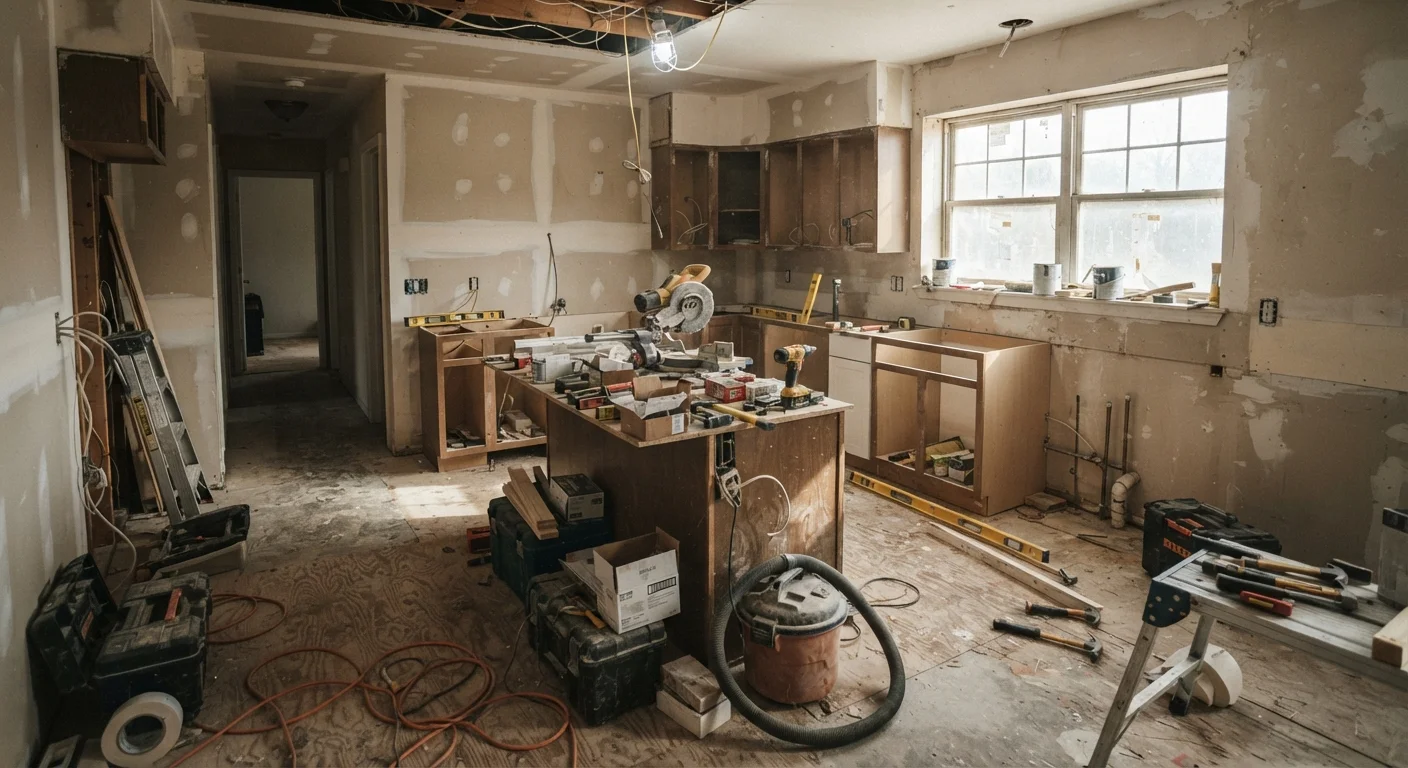
Photo: SummarizedReads.net | Just Read It! editorial
—— In This Article
Key Takeaways
- Permits, inspections, and code compliance fees can add hundreds to thousands of dollars to any renovation.
- Waste removal, temporary housing, and living disruption are common costs that rarely appear in contractor quotes.
- Structural discoveries - like rot, mold, or outdated wiring - frequently add 10-20% or more to original budgets.
- A contingency fund of at least 15-20% of your total renovation budget is widely recommended by industry professionals.
- Understanding hidden costs before you start helps you plan realistically and avoid debt or stalled projects.
Why Renovation Budgets Consistently Fall Short
First-time renovators usually build their budgets around what they can see: materials, labor, and fixtures. It's an understandable starting point - but it's also why so many renovation projects end up costing significantly more than planned. The real budget-busters tend to lurk behind walls, in permit offices, and in logistics no one thinks to price out until the work is already underway.
Understanding these hidden costs before you swing a hammer isn't pessimistic - it's the most practical thing you can do. A realistic budget protects your project, your finances, and your relationship with the contractor doing the work. As a useful parallel, the same principle applies when planning any major expenditure: our guide on estimating true trip costs shows how overlooked line items routinely blow up even carefully built plans.
The list below covers the hidden costs that catch first-timers most off guard - and what you can do to account for each one.
Permits and inspection fees
Many structural, electrical, plumbing, and HVAC projects legally require a permit before work begins - and those permits cost money. Depending on the municipality and project scope, permit fees can range from under $100 to well over $1,000. Beyond the fee itself, permitted work typically requires one or more inspections, which may mean scheduling delays and, occasionally, mandated rework if something doesn't pass.
Skipping a permit to save money tends to backfire. Unpermitted work can complicate homeowner's insurance claims and make your home harder to sell. Our guide on when permits are required and why they matter covers the process in detail.
Skipping a permit to save money tends to backfire badly when it's time to sell or file a claim.
Waste removal and disposal
Demolition creates debris - and hauling it away costs money that few first-timers factor in. Renting a dumpster for a medium-sized kitchen or bathroom gut can run $300-$600 or more, depending on your location and how long you need it. Certain materials, such as old flooring, drywall, or appliances, may also carry disposal restrictions or fees. Confirm with your contractor whether waste removal is included in their quote or billed separately - it often isn't.
Dumpster rental and debris disposal are almost never included in the base contractor quote.
Temporary housing and living disruption
A full kitchen or bathroom renovation can make a home genuinely difficult to live in for days or weeks. If the project displaces your only bathroom or renders your kitchen unusable, you may need to budget for hotel nights, restaurant meals, or laundry services. Even partial disruptions - dust, noise, restricted access - affect daily routines in ways that cost money. These soft costs are easy to ignore when you're excited about the finished result but painful to absorb mid-project.
Hotel stays and restaurant meals during a kitchen renovation add up faster than most homeowners expect.
Structural and hidden-condition discoveries
Opening walls is the moment renovation budgets most often expand. Rot, mold, pest damage, outdated wiring, asbestos (in older homes), and plumbing that doesn't meet current code are all common discoveries that weren't visible in the original scope. Addressing them isn't optional - and each one adds labor and materials to your bill. Before tackling anything that involves walls, it's also worth understanding what's inside them: identifying load-bearing walls before demolition can prevent a costly and dangerous mistake.
Hidden rot, mold, or outdated wiring discovered mid-project can add 10-20% or more to your original estimate.
Design changes and scope creep
It's common for renovation plans to evolve once work is visible and real. A slightly larger tile, a cabinet upgrade, or the decision to extend a project into an adjacent room all sound small in the moment - and all cost money. Contractors typically charge for change orders, which cover revised labor, scheduling adjustments, and new materials. Setting firm decision-making boundaries before work starts, and keeping a written change-order log, helps keep scope creep from silently inflating your final bill.
Change orders are a major source of budget overruns - every mid-project upgrade carries a real cost.
Finishing and touch-up work
New flooring needs transitions. Fresh tile needs grout sealing. Painted walls reveal imperfections that weren't visible before. The finishing phase of any renovation involves a category of small materials and labor that rarely shows up in initial estimates: outlet covers, door hardware, caulk, paint touch-ups, trim adjustments, and cleaning. Individually minor, these line items collectively add several hundred dollars to most projects - and they're easy to forget until you're standing in an otherwise-finished room that still doesn't look done.
Finishing details - trim, hardware, touch-up paint - collectively cost more than most first-timers budget for.
Plan for the Unexpected - Then Plan a Little More
No renovation budget is truly complete without a contingency line. Industry guidance commonly suggests setting aside 15-20% of your total project cost as a buffer for surprises. That figure isn't arbitrary - it reflects how frequently structural issues, code upgrades, or supply delays emerge once work begins.
Build Your Contingency Fund Early
Before signing any contractor agreement, set aside 15-20% of your total project estimate in a dedicated account. Treat it as committed spending, not a safety net you'll avoid using. Having it accessible means you can authorize necessary discoveries - like water damage behind a wall - without halting the project or reaching for high-interest credit.
If you're weighing whether to handle parts of the project yourself to cut costs, it's worth reading an honest assessment first. Our article on the real trade-offs of DIY renovation walks through what homeowners genuinely save - and what they take on - when they skip the contractor. Financing is another area where clarity matters early; what home improvement loans actually cover is a useful plain-language overview before you borrow.
The goal isn't to scare you away from renovating - it's to make sure your project finishes on your terms, not your credit card's.
This article provides general home improvement information for educational purposes. Cost estimates referenced are illustrative ranges and will vary by region, project scope, and contractor. Always verify local permit requirements and consult licensed professionals for work involving structural, electrical, plumbing, or other regulated systems.

Home Editorial Team
Home Editorial Team is the collective byline for our editorial team and contributor network. Articles published under this byline or an editorial pen name are researched, written, and reviewed according to our editorial standards for clarity, consistency, and independence before publication.
View author profile