
Going the DIY Route: An Honest Look at the Trade-Offs
DIY saves money but carries real risks. A balanced look at what homeowners genuinely gain — and give up — by tackling projects themselves.
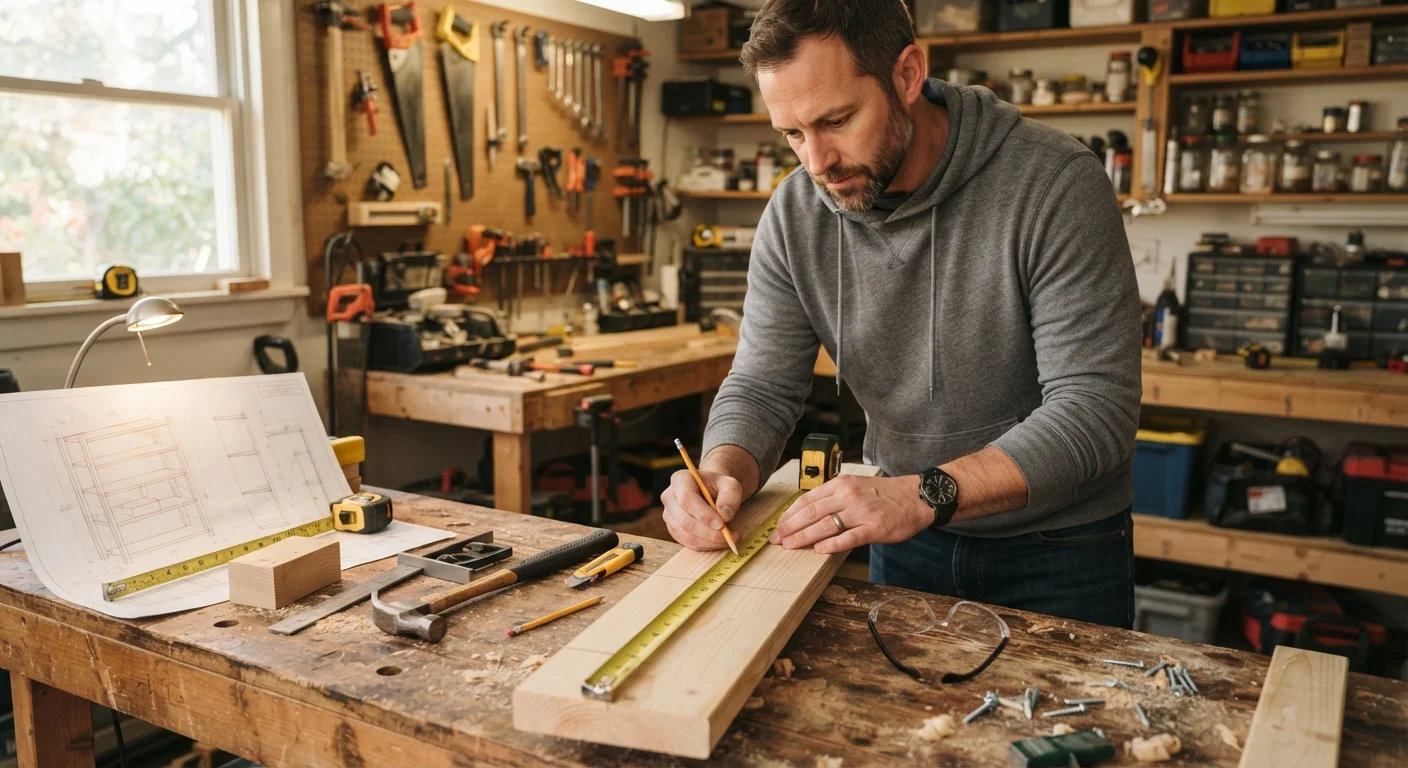
Photo: SummarizedReads.net | Just Read It! editorial
—— In This Article
Key Takeaways
- DIY can meaningfully reduce labor costs on straightforward home improvement tasks.
- Skill level and project complexity determine whether DIY saves or costs more in the end.
- Electrical, gas, structural, and plumbing work typically requires licensed professionals and permits.
- Hidden expenses like tools, materials waste, and mistakes can erode expected savings.
- Starting with lower-stakes projects builds confidence and practical skill over time.
Direct labor cost savings on eligible projects
Eliminating professional labor fees is the most tangible benefit. On mid-sized projects, this can mean saving hundreds of dollars - provided the work stays within your skill set.
Full control over schedule and pace
You set the timeline without waiting for contractor availability. This matters especially for households where coordinating access around work schedules is difficult.
Builds transferable home-maintenance knowledge
Every completed project deepens your understanding of how your home is constructed. That knowledge makes future repairs faster, cheaper, and less stressful.
Creative and personal satisfaction
Many homeowners report genuine pride and enjoyment from completing physical projects. That intrinsic value is real and worth counting, even if it doesn't appear in a budget.
Flexibility to source your own materials
When you manage the project yourself, you control material choices and can shop around for better prices rather than accepting a contractor's standard markup.
Time investment is frequently underestimated
First-time projects almost always take longer than expected. What looks like a four-hour job on a tutorial video may stretch across an entire weekend once you account for prep, mistakes, and learning curve.
Tool acquisition adds significant upfront cost
Many projects require tools you may not own. A single specialized purchase can quickly erode the labor savings you were counting on, especially for a one-time project.
Mistakes can be more expensive than hiring out
A botched tile installation, improperly patched drywall, or a leaking pipe fitting may require professional remediation that costs more than the original job would have. Errors in high-stakes areas compound quickly.
Hazardous work carries genuine safety risk
Electrical, gas, and structural work carries risks of injury, fire, or structural failure when done incorrectly. These categories should generally be handled by licensed professionals regardless of cost.
Unpermitted work can affect resale and insurance
Work done without required permits may complicate home sales, trigger insurance disputes, or require costly correction before a property can transfer. Always verify local code requirements first.
What DIY Actually Means for Your Wallet
The financial case for DIY home improvement is real, but it's more nuanced than simply "you save the labor markup." On a project like interior painting, where a professional might charge several hundred to over a thousand dollars depending on room size, supplying your own labor can cut costs substantially. The same logic applies to tasks like caulking, patching drywall, replacing a faucet, or installing a ceiling fan - assuming you already own the necessary tools.
The catch: tool acquisition adds up fast for first-timers. A single project requiring a drill, a stud finder, safety glasses, and a level can cost $100-$200 before materials. Those costs amortize over future projects, but they're real upfront. Hidden renovation costs like disposal fees, primer coats, and material overages also chip away at savings in ways beginners rarely anticipate.
35-50%
Typical labor share of a home renovation budget
Industry estimates commonly place labor at roughly one-third to one-half of total project costs, which illustrates why self-performed work can generate meaningful savings on straightforward tasks.
1 in 3
DIY projects that require professional correction
Home improvement surveys have found a significant share of DIY attempts result in at least partial professional follow-up, underscoring the importance of realistic skill assessment before starting.
The Genuine Advantages of Doing It Yourself
Beyond cost, DIY offers benefits that don't show up in a quote comparison.
Direct labor cost savings on eligible projects
Eliminating professional labor fees is the most tangible benefit. On mid-sized projects, this can mean saving hundreds of dollars - provided the work stays within your skill set.
Full control over schedule and pace
You set the timeline without waiting for contractor availability. This matters especially for households where coordinating access around work schedules is difficult.
Builds transferable home-maintenance knowledge
Every completed project deepens your understanding of how your home is constructed. That knowledge makes future repairs faster, cheaper, and less stressful.
Creative and personal satisfaction
Many homeowners report genuine pride and enjoyment from completing physical projects. That intrinsic value is real and worth counting, even if it doesn't appear in a budget.
Flexibility to source your own materials
When you manage the project yourself, you control material choices and can shop around for better prices rather than accepting a contractor's standard markup.
Scheduling flexibility alone is underrated - coordinating tradespeople can mean waiting weeks, while a weekend project is on your timeline. The learning value compounds: each project builds a mental library of how your home works, making future repairs faster and cheaper. For those who find hands-on work satisfying, there's genuine psychological value in the process, not just the outcome.
The Real Disadvantages You Should Weigh
DIY enthusiasm can outrun DIY competence, and the consequences range from cosmetically disappointing to genuinely dangerous.
Time investment is frequently underestimated
First-time projects almost always take longer than expected. What looks like a four-hour job on a tutorial video may stretch across an entire weekend once you account for prep, mistakes, and learning curve.
Tool acquisition adds significant upfront cost
Many projects require tools you may not own. A single specialized purchase can quickly erode the labor savings you were counting on, especially for a one-time project.
Mistakes can be more expensive than hiring out
A botched tile installation, improperly patched drywall, or a leaking pipe fitting may require professional remediation that costs more than the original job would have. Errors in high-stakes areas compound quickly.
Hazardous work carries genuine safety risk
Electrical, gas, and structural work carries risks of injury, fire, or structural failure when done incorrectly. These categories should generally be handled by licensed professionals regardless of cost.
Unpermitted work can affect resale and insurance
Work done without required permits may complicate home sales, trigger insurance disputes, or require costly correction before a property can transfer. Always verify local code requirements first.
Time is the most commonly underestimated cost. A professional might complete a tile job in a day; an inexperienced homeowner doing it for the first time may spend an entire weekend and still need to redo sections. Mistakes on structural, electrical, or plumbing work can create expensive cascading problems - or safety hazards that require professional remediation at higher cost than the original job would have been. Always factor in your realistic hourly rate and what that time is actually worth to you.
When Permits Are Required
Many home improvement projects - including most electrical work, plumbing modifications, structural changes, and additions - require permits and inspections under local building codes. Requirements vary by municipality, so check with your local building department before starting any project that might qualify. Skipping permits on regulated work is not a shortcut: it can result in fines, required demolition, and complications at resale. This article provides general education only and is not a substitute for verifying local rules that apply to your specific situation.
Where to Draw the Line
The most important DIY skill is recognizing which jobs fall outside your lane. As a general rule, any work touching your home's electrical panel, gas lines, load-bearing walls, or main plumbing stack should be handled by a licensed professional. In most jurisdictions, these jobs require permits and inspections regardless of who performs the physical work - and unpermitted work can create serious complications when you sell the home or file an insurance claim. Verify your local requirements before starting any project that might fall under building codes.
For homeowners just getting started, a beginner's guide to home improvement can help you identify realistic first projects that build skills without significant risk. Getting familiar with core hand tools before purchasing also prevents wasted spending on gear you won't actually use.

Home Editorial Team
Home Editorial Team is the collective byline for our editorial team and contributor network. Articles published under this byline or an editorial pen name are researched, written, and reviewed according to our editorial standards for clarity, consistency, and independence before publication.
View author profile