
Common Assumptions About Clearance Sales That Cost Shoppers Money
Clearance doesn't always mean savings. Explore the frequent missteps shoppers make when chasing marked-down prices.
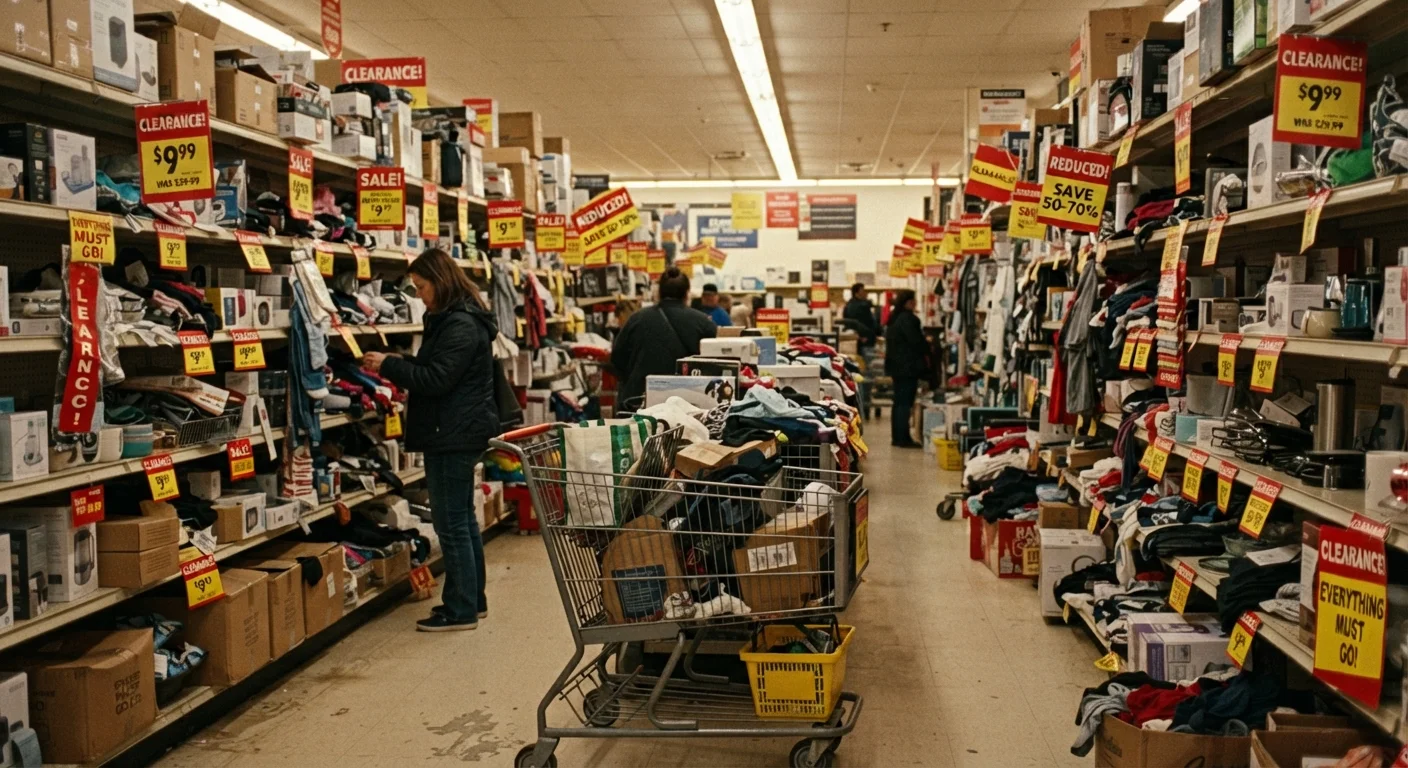
Photo: SummarizedReads.net | Just Read It! editorial
—— In This Article
Key Takeaways
- A clearance price is not automatically a good deal — compare it against current market prices first.
- Buying clearance items you don't need is still overspending, regardless of the discount percentage.
- Final-sale policies and limited return windows can turn a clearance purchase into a costly mistake.
- Inflated original price tags can make markdowns look larger than they actually are.
- Clearance timing varies; waiting often yields deeper cuts, but stock is not guaranteed.
Why Clearance Sections Invite Faulty Thinking
Clearance sections are engineered to feel urgent. Red tags, dwindling stock, and end-of-season signage all push shoppers toward quick decisions. That pressure is precisely where flawed assumptions take root — and where money quietly walks out the door.
The mistakes below aren't signs of carelessness. They're predictable responses to how clearance merchandise is presented. Understanding them is the first step toward shopping those sections without regret. For a broader look at how pricing signals can mislead, see sale pricing myths that mislead even experienced shoppers.
Assuming the original price on the tag was ever a real selling price.
Why it happens: Shoppers are conditioned to anchor on the crossed-out number and measure savings from it, without questioning whether that reference price reflected actual sales.
Buying clearance items simply because the discount percentage is large.
Why it happens: A 70% markdown feels like a win regardless of the item's usefulness, so shoppers rationalize purchases they would never have made at full price.
Overlooking final-sale and limited-return policies on clearance merchandise.
Why it happens: Clearance sections often sit near the back of stores, and policy signage is easy to miss when attention is focused on price tags.
Treating clearance price as automatically competitive with other retailers.
Why it happens: The word 'clearance' carries an implied promise of rock-bottom pricing, so shoppers skip the comparison step they would normally take.
Assuming clearance stock will still be there if you wait for a deeper cut.
Why it happens: Shoppers who know prices sometimes drop further believe they can time the floor, without accounting for the fact that clearance inventory is finite and unpredictable.
Applying a Smarter Clearance Framework
Avoiding these mistakes doesn't mean avoiding clearance racks altogether — it means arriving with a short checklist. Before adding a clearance item to your cart, verify the current market price, confirm the return policy, and ask honestly whether you'd buy the item at full price. If the answer to that last question is no, the discount is doing the persuading, not the product.
~40%
Of shoppers report impulse clearance purchases they later regretted
A consumer survey by the National Retail Federation found roughly four in ten shoppers admitted to unplanned clearance buys they considered a waste of money.
30–90 days
Typical retailer clearance markdown cycle length
Industry inventory management research suggests most retailers cycle clearance goods through progressive markdowns over one to three months before removing unsold stock.
Retailers follow fairly predictable clearance cycles tied to seasons, model-year changeovers, and inventory targets. Understanding those cycles lets you time purchases more strategically. Seasonal shopping cycles can help you anticipate when prices on specific categories are likely to fall further.
Clearance can represent genuine value — but only when the item meets a real need, the price holds up to a quick market comparison, and the purchase terms protect you if something goes wrong. That three-part test takes under two minutes and sidesteps most of the assumptions that cost shoppers money. For a structured way to evaluate any discount, learn what makes a discount actually worth taking.
Don't Let Urgency Override Your Checklist
Low stock levels and 'last few remaining' labels are standard retail pressure tactics — they may reflect genuine scarcity, or they may not. Feeling rushed is itself a signal to slow down. A two-minute price check before checkout is almost always worth more than the seconds it costs.

Shopping Editorial Team
Shopping Editorial Team is the collective byline for our editorial team and contributor network. Articles published under this byline or an editorial pen name are researched, written, and reviewed according to our editorial standards for clarity, consistency, and independence before publication.
View author profile