
Sale Pricing Myths That Mislead Even Experienced Shoppers
Not every percentage-off tag represents a genuine saving. Separate retail pricing myths from facts with evidence-based context.
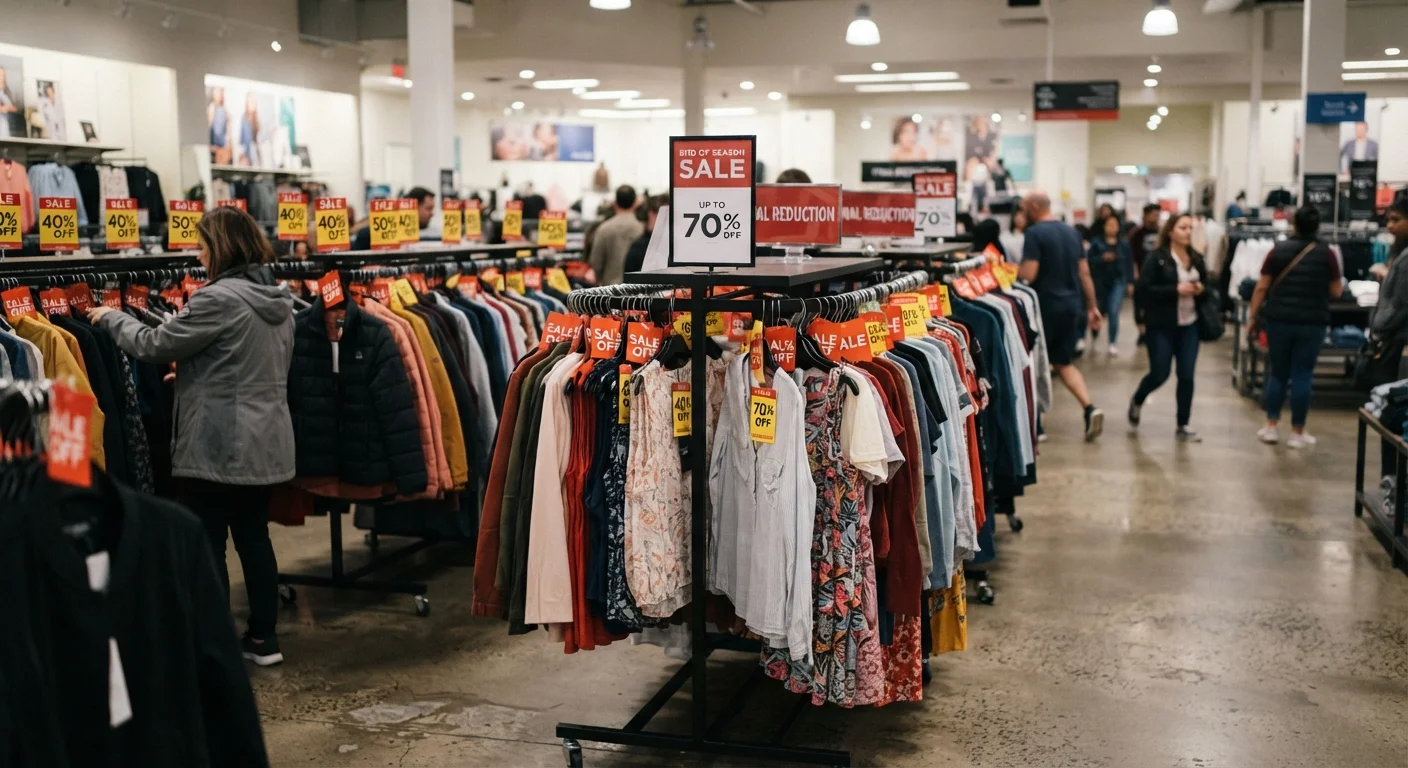
Photo: SummarizedReads.net | Just Read It! editorial
—— In This Article
Key Takeaways
- Inflated 'original' prices can make discounts appear larger than they actually are.
- Limited-time urgency tactics are a well-documented retail psychology technique, not a guarantee of scarcity.
- Buying more to save a percentage often results in higher total spending, not lower.
- Price history tools let shoppers verify whether a sale price is genuinely lower than normal.
- Percentage-off framing without a known baseline tells you very little about real value.
Why Sale Pricing Isn't Always What It Appears
Retail pricing is a designed experience, not a neutral reporting of value. The percentage-off tag, the crossed-out original price, the countdown timer — each of these elements is a deliberate signal shaped to influence decisions quickly. That doesn't make every sale dishonest, but it does mean that experienced shoppers who assume they can read a deal at a glance are working with incomplete information.
The myths that follow aren't exotic edge cases. They reflect pricing conventions that are widespread across both physical and online retail, and that even attentive shoppers encounter regularly. Understanding how they work is the first step toward spending based on actual value rather than constructed urgency.
Myth
A higher percentage off always means a better deal.
Fact
The percentage is only meaningful if the reference price is accurate and the item is something you actually need at that price point.
Retailers set their own reference prices, and those figures are not always the price the item routinely sold for. A 60% discount from an inflated starting point can result in a final price that is higher than the everyday price at a competing retailer. Before acting on a large percentage, check what the item costs elsewhere and — where possible — what it has sold for over the past 60 to 90 days using a price-tracking tool.
See how unit pricing reveals true cost for a practical method to evaluate offers beyond the headline number.
Myth
Sale events like major annual shopping holidays always offer the lowest prices of the year.
Fact
Price tracking data has repeatedly shown that many items sold during high-profile sale events are available at the same or lower prices at other points in the year.
Independent price-history analyses — published annually by consumer journalism outlets — have found that a significant share of products listed as 'deals' during large retail events were priced the same or lower in the weeks before or after the event. Some categories, such as appliances and TVs, do see genuine seasonal pricing shifts, but blanket assumptions about any single shopping holiday producing the deepest discounts are not well-supported by the data.
What actually makes a discount worth taking depends on category, timing, and verified baseline prices — not the name of the sales event.
Myth
Buying more units unlocks real savings.
Fact
Bulk-purchase discounts reduce the per-unit cost but increase total outlay — and often produce waste or regret for items you wouldn't have bought otherwise.
'Buy two, get one 50% off' structures are designed to move inventory, not necessarily to benefit the shopper. Unless you have a confirmed need for the additional units and adequate storage, the net effect is spending more money in a single transaction. Perishables and trend-sensitive products carry the additional risk of expiry or obsolescence before use. Calculate the absolute dollar spend, not just the per-unit math, before committing to bulk offers.
Discount structures that quietly work against shoppers covers this pattern in detail alongside other common deal formats worth scrutinizing.
Myth
Clearance pricing means you are getting the lowest possible price on that item.
Fact
Clearance tags signal that a retailer wants to move inventory — not that the price has been independently verified as the market minimum.
Clearance items are priced relative to that retailer's own cost structure and inventory goals. The same item may be available at a lower non-clearance price through another channel, or may carry quality or return-policy limitations that affect real value. Common assumptions about clearance sales that cost shoppers money documents this gap in detail. A cross-check with a general search or price comparison site takes under two minutes and can prevent overpaying on items labeled as marked down.
Myth
Price matching guarantees you are paying the lowest available price.
Fact
Price match policies contain exclusions — specific seller types, marketplace listings, bundle configurations — that can make the lowest visible price ineligible.
Most retailer price match programs explicitly exclude third-party marketplace sellers, limited-time flash sales, and prices from certain categories of outlets. The conditions vary significantly from one retailer to the next. How price matching actually works and what conditions apply explains the mechanics in plain terms. Reading the policy before shopping — rather than assuming the guarantee is unconditional — saves time and prevents disappointment at the point of purchase.
Building Habits That Hold Up Against Pricing Tactics
Awareness of how sale pricing works is useful, but it needs to translate into consistent habits to change outcomes at checkout. A few practical shifts make a meaningful difference:
- Track prices before you need to buy. Browser extensions and price-history sites let you see whether a 'sale' price represents a genuine low for that item or just a departure from an artificially elevated baseline.
- Compare the absolute spend, not just the unit math. Bulk offers look efficient on a per-unit basis but increase total outlay — only commit to quantities you have a confirmed use for.
- Treat urgency language as a cue to pause, not act. Low-stock alerts and countdown timers are marketing tools. If an purchase is significant, take 24 hours.
- Verify before assuming a price match covers your case. Price matching policies contain real limitations that are easy to miss without reading the fine print.
Urgency Language Is a Trigger, Not a Fact
Phrases like 'only 3 left' or 'sale ends tonight' are standard tools in digital retail design, and stock counts displayed online are not always real-time or accurate. Consumer behavior research consistently shows that perceived scarcity increases purchase likelihood regardless of actual availability. Pause before acting on countdown timers or low-stock alerts — verify through independent channels if the purchase is significant.
For consumers who want to develop these skills more systematically, deal-hunting habits that hold up over time covers approaches seasoned budget shoppers apply across categories without spending more time than the savings justify. And if you're evaluating offers online, knowing the warning signs of fraudulent deals is an equally important layer of protection.
Artificial Reference Prices Are a Known Practice
Regulators including the FTC have documented that some retailers set artificially high 'original' prices to make discounts look more substantial. This practice, sometimes called reference price inflation, is not limited to fringe retailers — it has appeared in enforcement actions against mainstream chains. When you see a crossed-out price, treat it as unverified until you can confirm the item actually sold at that figure for a meaningful period.
This article is for general informational purposes only and does not constitute financial or consumer legal advice. Pricing practices and regulations vary by retailer and jurisdiction.

Shopping Editorial Team
Shopping Editorial Team is the collective byline for our editorial team and contributor network. Articles published under this byline or an editorial pen name are researched, written, and reviewed according to our editorial standards for clarity, consistency, and independence before publication.
View author profile