
The Real Cost of 'Free' Luggage Allowances and Airline Add-Ons
Base fares rarely tell the full story. Learn which airline extras quietly inflate your ticket price and how to account for them upfront.
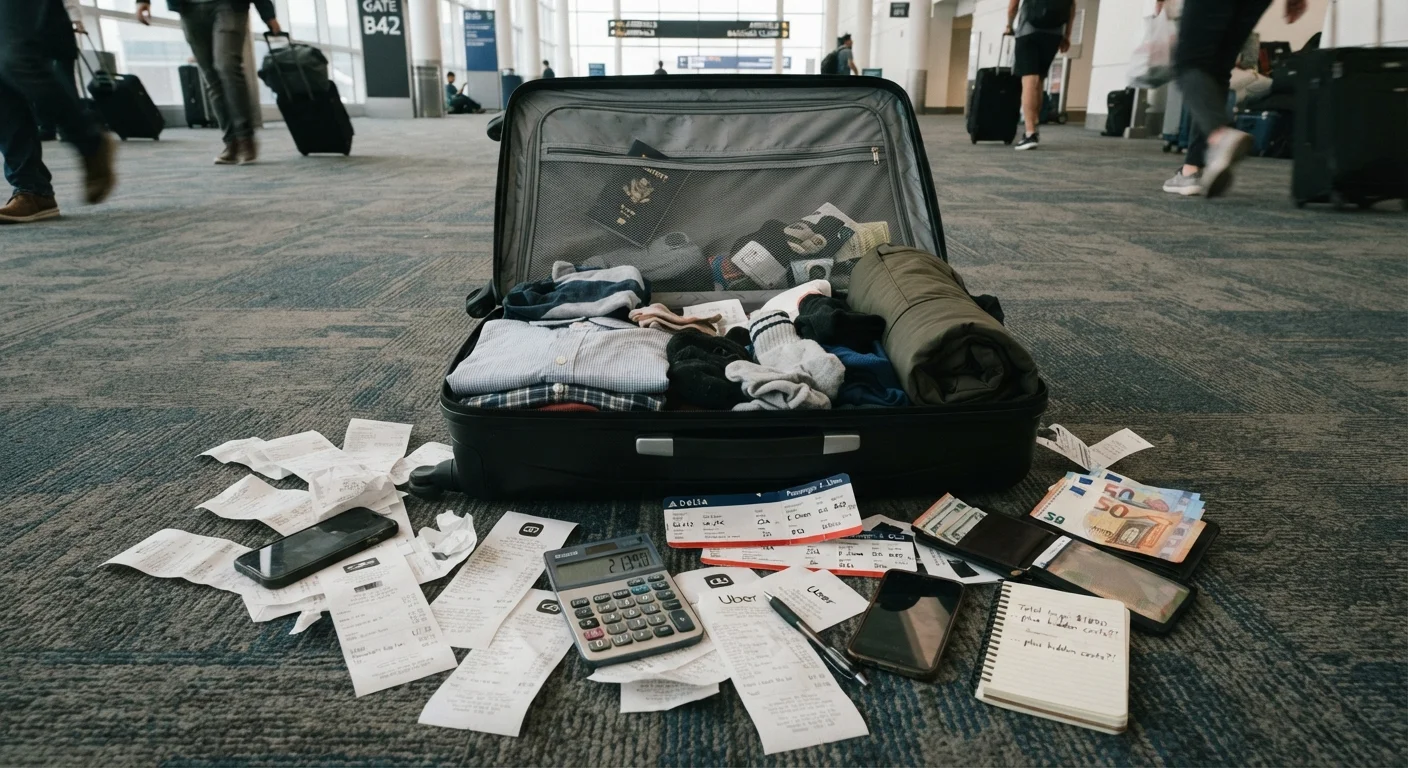
Photo: SummarizedReads.net | Just Read It! editorial
—— In This Article
Key Takeaways
- Base airfares often exclude baggage, seat selection, and other fees that can double your cost.
- Comparing fares without factoring in add-ons leads to inaccurate budget planning.
- Knowing which fees are avoidable — and how — puts real money back in your pocket.
- Airline fee structures vary significantly; always read the fare rules before booking.
Why the Advertised Price Is Rarely What You Pay
Airlines advertise base fares to attract clicks, but the total you pay at checkout — or worse, at the gate — can look dramatically different. Fees for checked bags, carry-on bags, seat assignments, itinerary changes, and priority boarding are increasingly separated from the ticket price itself. This practice, known as unbundling, lets carriers post low headline numbers while recouping revenue through à la carte charges.
For budget travelers, the gap between the advertised fare and the all-in cost is one of the most reliable sources of budget blowouts. The fix isn't to avoid flying — it's to build a complete cost picture before you commit. Understanding where fees hide is the first step. See how to estimate true trip costs for a broader framework that goes beyond airfare.
Comparing fares across airlines without accounting for baggage policies.
Why it happens: Flight search engines typically display the base fare, and travelers assume a similar fee structure applies across carriers. In reality, one airline's 'basic economy' may include a carry-on while another charges $35–$75 for the same bag.
Skipping seat selection to save money, then paying more at the gate.
Why it happens: Seat selection fees feel optional during booking, so travelers defer them. But remaining seats at check-in or boarding are often in the least desirable spots, and some airlines charge a premium for any assigned seat at all.
Assuming 'free' carry-on bags are included on every ticket.
Why it happens: Many travelers learned to fly when carry-ons were universally free and haven't updated their assumptions. Several carriers now charge for overhead-bin access on their lowest fare tiers.
Ignoring change and cancellation fee structures when booking non-refundable fares.
Why it happens: Travelers book non-refundable tickets for the lower price without fully reading the change policy. When plans shift, the fee to rebook can equal or exceed the original ticket price.
Paying for priority boarding without evaluating whether overhead space is actually at risk.
Why it happens: Airlines market priority boarding as solving the overhead-bin problem, and travelers pay for it reflexively on busy routes. On less-full flights or on airlines that gate-check bags for free, it provides no real benefit.
Common Mistakes That Inflate Your Actual Airfare
Most travelers make at least one of these errors when booking — often without realizing it until they're already at the airport. Recognizing these patterns in advance can save you a meaningful amount on every trip.
$7.0B+
U.S. airline baggage fee revenue (single year)
U.S. carriers collectively reported over $7 billion in baggage fee revenue in a recent annual period, according to U.S. Department of Transportation data — illustrating how central these charges have become to airline economics.
~40%
Travelers surprised by add-on fees post-booking
Consumer research has consistently found that a significant share of air travelers report being caught off guard by fees they didn't anticipate when they first saw the advertised fare.
If you're still in the fare-searching phase, tools like fare calendars and flexible date searches can help you identify a competitive baseline before add-ons muddy the comparison. Learn how in our guide to flight alerts and fare calendars.
Basic Economy Restrictions Can Be Costly
Basic economy fares often come with restrictions beyond baggage — including no seat selection, no changes after booking, and last-priority boarding. These limitations can create cascading costs if your plans change or if you're traveling with others who need to sit together. Always read the full fare rules, not just the price, before purchasing a basic economy ticket.
Once you know your true cost, deciding between carry-on and checked luggage becomes a more strategic question. Our article on carry-on vs. checked luggage for long trips walks through the real trade-offs beyond just fee savings.

Travel Editorial Team
Travel Editorial Team is the collective byline for our editorial team and contributor network. Articles published under this byline or an editorial pen name are researched, written, and reviewed according to our editorial standards for clarity, consistency, and independence before publication.
View author profile