
Accommodation Safety: What to Look For When You Check In
Hotel, hostel, or rental — every accommodation type has its own safety considerations. Learn what to assess when you first arrive at a new place.
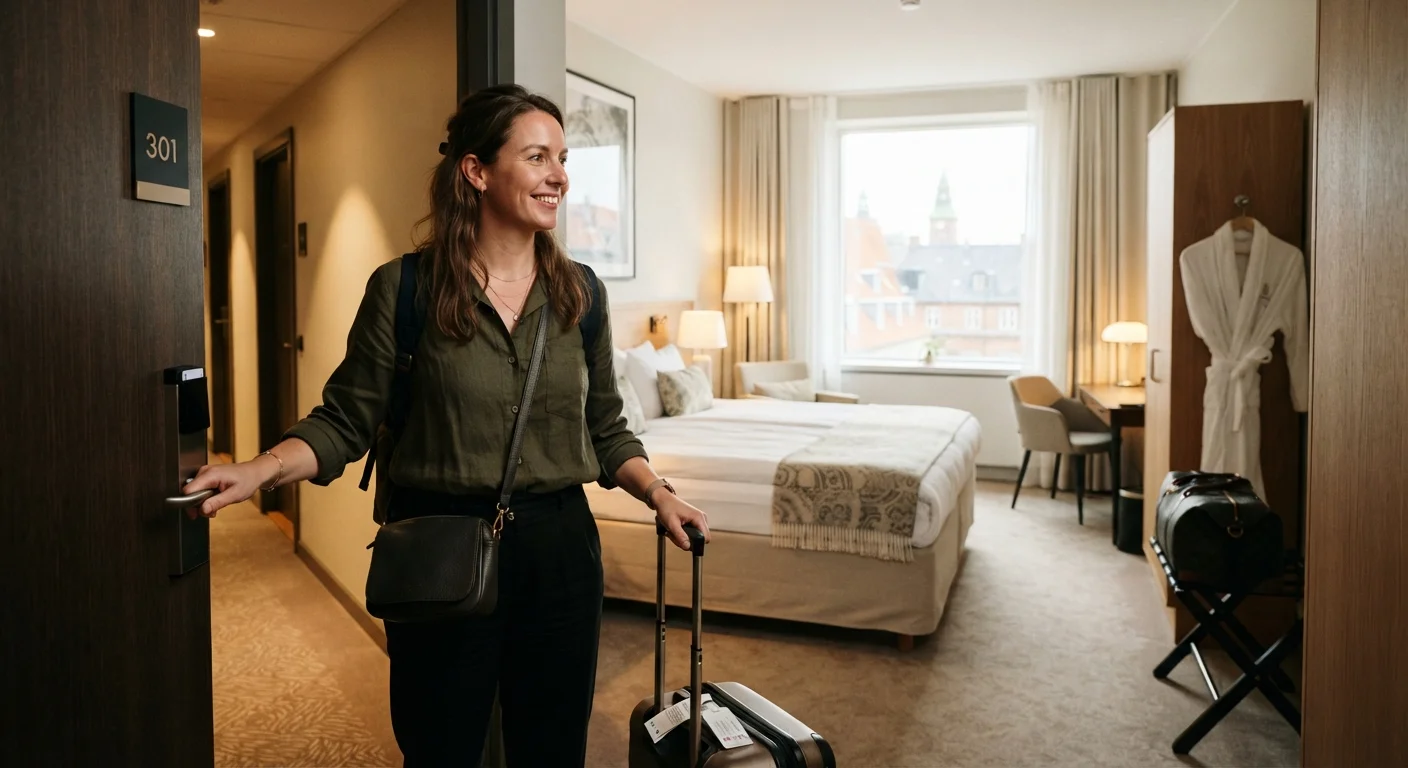
Photo: SummarizedReads.net | Just Read It! editorial
—— In This Article
Key Takeaways
- Locate emergency exits before you unpack — count the doors between your room and the stairwell.
- Test every lock on your room door and windows before settling in.
- Know where the front desk or property manager is and how to reach them after hours.
- Keep valuables in a secure location and document what you brought on arrival.
- Trust your instincts — if something about a property feels wrong, you have options.
Why a Check-In Safety Audit Matters
Most travelers focus on finding the right accommodation before they book — comparing locations, reading reviews, weighing cost against comfort. But what happens in the first 15 minutes after you walk through the door matters just as much. A quick, systematic check gives you an accurate picture of actual conditions and helps you catch issues — broken locks, blocked exits, faulty smoke detectors — before they become problems.
This checklist applies whether you're staying in a hotel, a hostel dorm, a guesthouse, or a short-term rental. The specific details vary by property type, but the core questions are consistent. If you're newer to independent travel, pairing this checklist with core safety principles for first-timers will give you a solid foundation.
Entry Points and Locks
Fire and Emergency Preparedness
Room Condition and Privacy
Valuables and Personal Security
Communication and Emergency Access
Tools That Make the Audit Easier
You don't need specialized gear to run a check-in safety audit, but a few items help you do it more thoroughly. Having these on hand before you arrive — not scrambling to find them after — keeps the process quick and stress-free.
Portable door lock or rubber door stop
Adds a physical layer of security to room doors, particularly useful in accommodations where lock quality is uncertain.
Flashlight or phone torch
Helps you inspect darker corners, check behind furniture, and navigate in a power outage.
Personal padlock
Required for hostel lockers that don't supply their own — a TSA-approved combination lock is easy to travel with.
Offline maps app (downloaded region)
Lets you locate the nearest hospital, police station, or alternative accommodation even without cell data.
If you're weighing accommodation types and want to understand how safety considerations differ between a hostel, a guesthouse, and a vacation rental, see our guide to budget accommodation trade-offs.
When Something Doesn't Feel Right
Broken Locks Are a Reportable Problem
A door or window that cannot be fully secured is not a minor inconvenience — it's a legitimate safety issue you should report before unpacking. Most properties are obligated to address it or offer you an alternative room. If you encountered the issue at a short-term rental, photograph it and contact the platform you booked through to document the problem. Do not assume it will be fine to leave it.
If your check-in audit reveals a serious safety deficiency — a door that won't lock, a smoke detector that's missing or disabled, evidence of unauthorized access — report it to the front desk or property manager immediately. Request a different room or unit. If the issue isn't resolved to your satisfaction, you are generally within your rights to escalate to the booking platform or, in serious cases, seek alternative accommodation. Document problems with photos before you raise them.
Solo travelers in particular benefit from knowing these boundaries. Our overview of solo vs. group travel safety dynamics covers practical approaches to staying confident when you're navigating unfamiliar places on your own.
Don't Rely Solely on Reviews for Safety
Online reviews can flag patterns, but they can't tell you the current condition of your specific room on the day you arrive. A property's rating may not reflect recent maintenance issues, staff changes, or isolated problems on a particular floor. Your in-person check is irreplaceable. If you're also planning how to stay safe once you leave the property, our guide to public transport safety in unfamiliar cities is a practical next step.

Travel Editorial Team
Travel Editorial Team is the collective byline for our editorial team and contributor network. Articles published under this byline or an editorial pen name are researched, written, and reviewed according to our editorial standards for clarity, consistency, and independence before publication.
View author profile