
Travel Safety Fundamentals Every First-Timer Should Understand
New to independent travel? Learn the core safety principles that experienced travelers rely on to stay prepared and confident on the road.
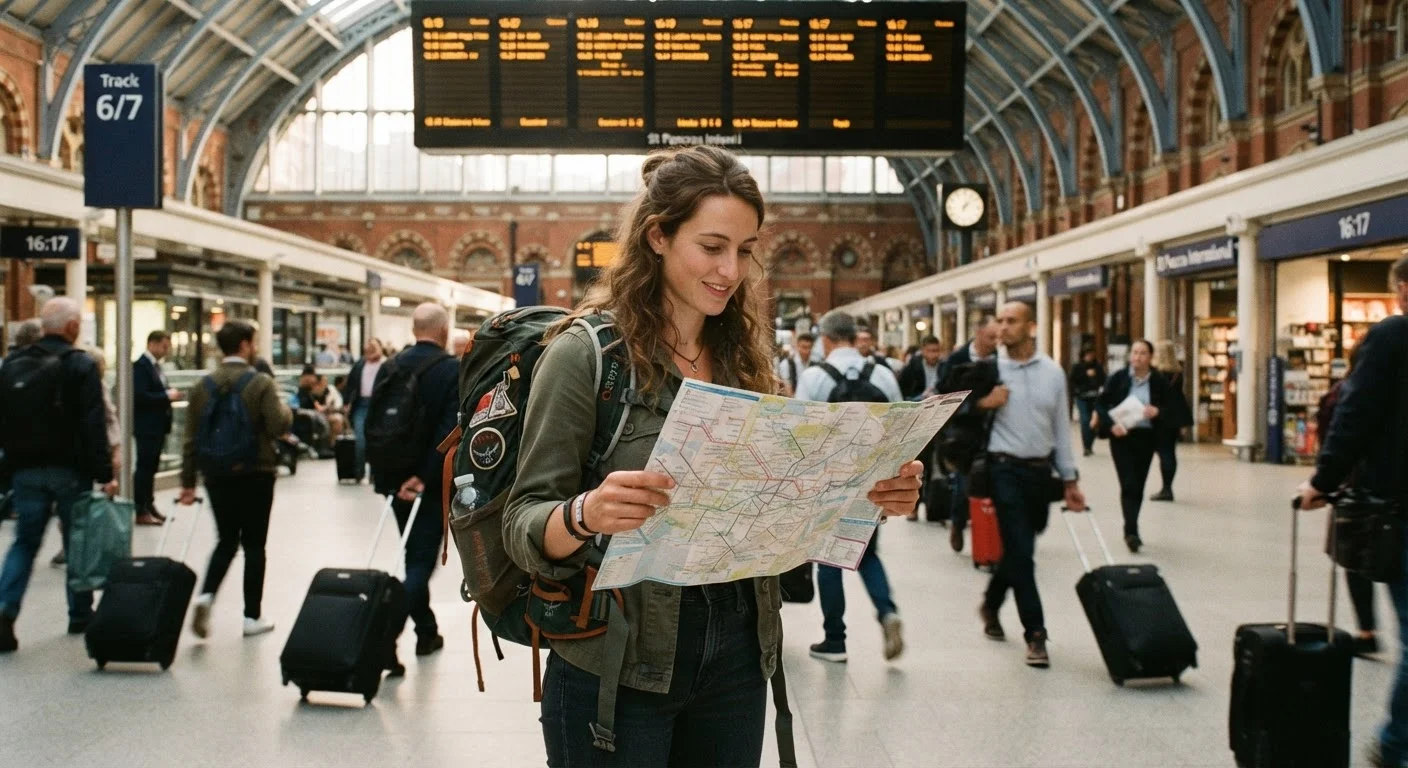
Photo: SummarizedReads.net | Just Read It! editorial
—— In This Article
Key Takeaways
- Preparation — not luck — is what separates stressed travelers from confident ones.
- Keeping copies of key documents and sharing your itinerary are low-effort, high-impact steps.
- Situational awareness is a learnable skill, not a personality trait.
- Most travel problems are manageable with calm thinking and basic planning ahead of time.
- Verify entry requirements and safety advisories with official government sources before departure.
Why Safety Fundamentals Matter for First-Timers
Most travel goes smoothly — but first-time travelers who have never had to navigate a lost passport, a missed connection, or an unfamiliar neighborhood at night often underestimate how quickly a manageable situation can feel overwhelming. Safety fundamentals are not about assuming the worst; they are about building a mental framework that keeps you functional and calm when things don't go to plan.
Experienced travelers aren't necessarily braver or luckier. They've simply developed habits — document backups, clear communication with people at home, basic situational awareness — that reduce both real risk and the anxiety that comes from feeling unprepared. These habits are entirely learnable, and most take less than an hour to put in place before a trip.
If you're still working through the broader planning process, the complete walkthrough for first-time trip planners is a useful starting point before diving into safety specifics.
Travel advisory
An official government assessment of the safety conditions in a foreign country or region, updated based on current events. In the US, these are published by the Department of State at state.gov.
Situational awareness
The habit of actively observing and processing what is happening around you in real time, so you can respond quickly and calmly to changes in your environment.
Travel insurance
A type of insurance policy that can cover costs from trip cancellations, medical emergencies abroad, lost luggage, and similar disruptions. Coverage terms vary widely by provider and policy.
Emergency consular services
Assistance provided by a country's embassy or consulate to its citizens abroad — including help replacing a lost passport or connecting with local emergency resources.
Document redundancy
The practice of keeping multiple copies of important travel documents (passport, insurance, reservations) stored separately from the originals, so you can access key information if the originals are lost or stolen.
Before You Leave: Documents, Contacts, and Coverage
A substantial share of travel problems — and their solutions — trace back to pre-departure preparation. Three categories deserve attention before you board anything.
- Documents: Scan or photograph your passport, driver's license, travel insurance policy, and key reservations. Email copies to yourself and store them in a cloud folder. Leave physical copies with a trusted person at home.
- Emergency contacts: Write down (not just save in your phone) the contact numbers for your bank's international fraud line, your country's nearest embassy or consulate at your destination, and at least one person at home who knows your itinerary. Phone batteries die; written notes don't.
- Coverage verification: Understand what your health insurance covers abroad before you go — many US domestic plans offer limited or no international coverage. Travel insurance terms vary widely, so read the policy details rather than assuming coverage. This is general guidance only; speak with a licensed agent for advice specific to your situation.
For a structured pre-departure checklist, see Before You Board: A Pre-Trip Safety and Comfort Checklist.
The Two-Minute Document Backup
Before your trip, spend two minutes photographing your passport photo page, your travel insurance card, and your accommodation confirmation. Email these photos to yourself with a subject line like 'Trip docs — [destination]' so they're easy to find. This single habit resolves a surprising number of common travel crises quickly.
Situational Awareness on the Road
Situational awareness means paying attention to your environment without becoming paranoid about it. In practice, it involves a few consistent habits.
- Orient yourself quickly: When you arrive somewhere new — a station, a neighborhood, a transit stop — take a moment to identify exits, note which direction you came from, and observe the general activity around you before consulting your phone.
- Manage visibility of valuables: Avoid displaying expensive electronics or large amounts of cash in busy public areas. A modest, unremarkable bag draws less attention than an obviously new, branded travel pack.
- Trust your instincts: If a situation feels wrong, it's reasonable to leave or change course without needing a specific reason. This applies to offers from strangers that feel too convenient, routes that feel isolated, or accommodation that doesn't match what was described.
Unfamiliar transit systems are a common stress point for first-timers. Staying safe on public transport in an unfamiliar city covers the specific habits that make buses, metros, and trains easier to navigate confidently.
Don't Rely on a Single Information Source
Social media posts and travel forums can reflect one person's experience on one day — not current, verified conditions. For safety advisories, entry requirements, and health recommendations, always check official government sources (state.gov for US travelers) before and close to your departure date. Conditions at destinations can change faster than third-party content gets updated.
Handling Common Problems Calmly
Even well-prepared travelers encounter disruptions. The difference is usually how quickly they can reframe the problem and identify the next concrete step.
- Lost or stolen documents
- Report to local police and request a written report number. Contact the nearest US embassy or consulate — they can issue an emergency passport. Having your document copies accessible makes this process significantly faster.
- Medical situations
- Know how emergency services work in your destination (the equivalent of 911 is not universal). Keep a basic list of any medications you take, using generic drug names rather than brand names, in case you need to explain your needs to a foreign pharmacy or clinic.
- Financial disruptions
- Keep a backup card and a small amount of local cash in a separate location from your main wallet. This is a redundancy measure, not a guarantee — it simply gives you options when your primary access is temporarily unavailable.
It's also worth acknowledging that unexpected situations can trigger genuine anxiety, especially for first-timers. Managing anxiety while traveling explores practical coping approaches — though it is not a substitute for professional mental health support if you need it.
Building Your Own Safety Habits
Safety habits are not one-size-fits-all. Solo travelers, families, and group travelers each face different dynamics — see solo vs. group travel safety trade-offs for a side-by-side look at both approaches.
One area where first-timers commonly get caught out is assumptions about destination safety. A neighborhood's reputation can shift; a country's advisory can vary significantly by region; tourist areas carry different risks than residential ones. The common safety assumptions that lead travelers astray is worth reading before you finalize any destination.
Always verify entry requirements — visas, vaccinations, customs rules — directly through official government sources such as the U.S. Department of State (state.gov) and your destination country's official immigration authority. Conditions change, and third-party sources may not reflect the most current requirements.
The core principle is simple: preparation is not about fear, it's about confidence. The more clearly you understand what to do if something goes wrong, the more freely you can enjoy everything that goes right.
Verify Before You Travel
Visa rules, vaccination requirements, and local regulations are set by individual governments and can change with little notice. This article provides general educational guidance only — always confirm entry and health requirements directly with the relevant embassy, consulate, or official government health authority before you depart.
Frequently Asked Questions

Travel Editorial Team
Travel Editorial Team is the collective byline for our editorial team and contributor network. Articles published under this byline or an editorial pen name are researched, written, and reviewed according to our editorial standards for clarity, consistency, and independence before publication.
View author profile