
Planning a Trip from Scratch: A Complete Walkthrough for First-Timers
New to organizing your own travel? This beginner-friendly guide walks through every stage of trip planning in plain, actionable language.
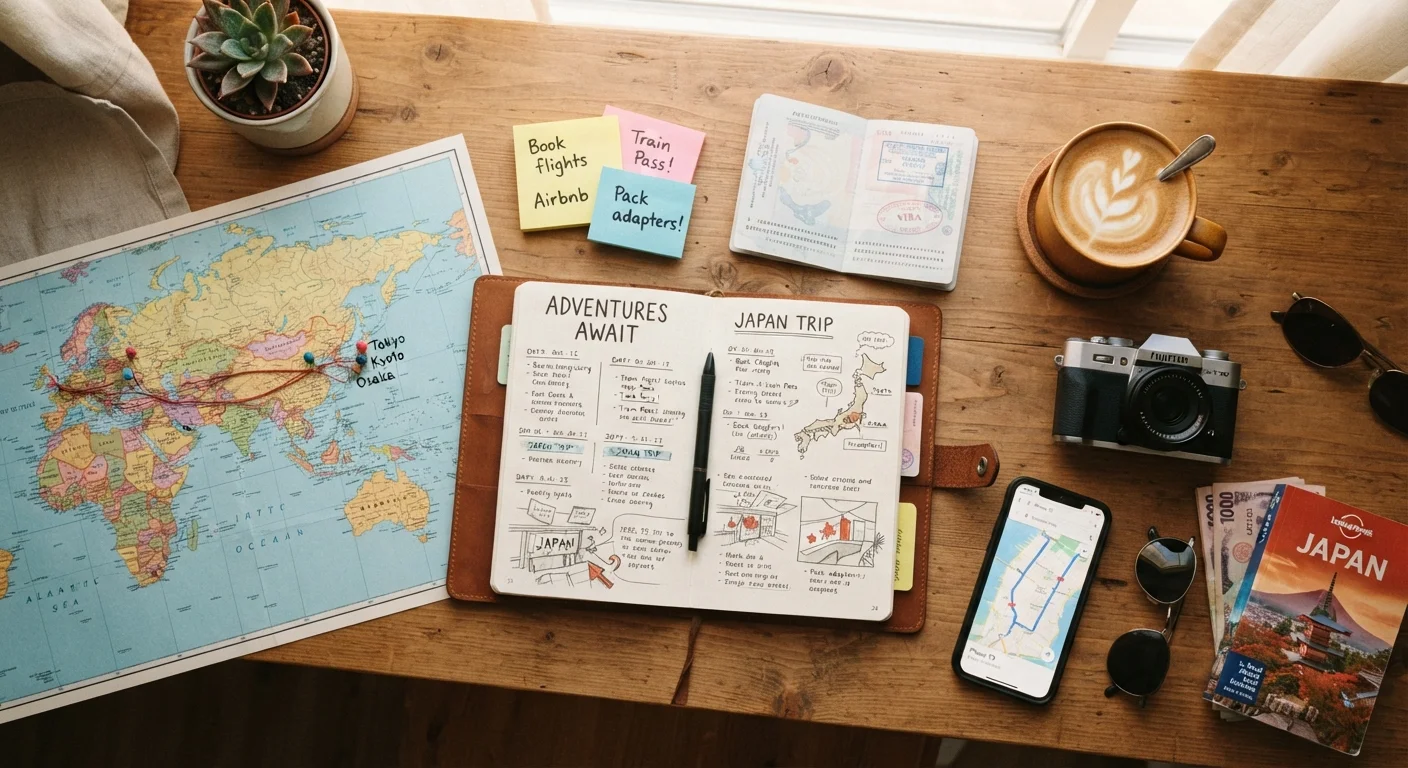
Photo: SummarizedReads.net | Just Read It! editorial
—— In This Article
Key Takeaways
- Clarify your trip type, travel dates, and group size before researching anything else.
- Setting a realistic total budget upfront prevents overspending on any single category.
- Book flights and lodging early; activities and dining can be planned closer to departure.
- Verify all entry requirements, travel advisories, and insurance needs well before your trip.
Start With a Clear Trip Idea
Before opening a single booking site, answer four basic questions: Where do you want to go? When? With whom? And what kind of experience are you after — rest, adventure, culture, or a mix?
These answers shape every decision that follows. A solo weekend road trip requires completely different logistics than a two-week international trip with a family. If you're unsure about the destination, narrow it down using practical filters: How much time do you have? Do you need a passport? Are there any mobility or dietary considerations in your group?
It also helps to understand the full scope of what trip planning involves before you dive in. The full picture of what goes into planning a trip covers every major planning category in one place — useful as a reference as you work through each stage.
Travel itinerary
A day-by-day plan of where you'll be and what you'll do during your trip, including transport, lodging, and activities.
Contingency fund
A portion of your travel budget set aside for unexpected expenses like delays, medical needs, or unplanned costs.
Entry requirements
The documents and conditions — such as a valid passport, visa, or vaccination proof — that a country requires before allowing visitors to enter.
Travel advisory
An official government warning or notice about safety conditions, health risks, or other concerns at a specific destination.
Cancellation policy
The terms a hotel, airline, or booking platform sets for refunds or changes if you need to cancel or modify your reservation.
Set Your Budget Before Anything Else
Your budget is the single most important constraint you're working within. Set a total number — what you can realistically spend without financial stress — before researching destinations or comparing flights.
Divide that total across five buckets: transportation (flights, gas, or train fare), lodging, food and drink, activities and entrance fees, and a contingency fund of roughly 10–15% for unexpected costs. Most first-timers underestimate food and activities, so be honest about how you like to travel.
If your initial destination doesn't fit the budget, adjust the destination or the trip length — not the contingency fund. That buffer is non-negotiable. For a deeper look at making a limited travel budget work without cutting your experience short, see our guide on planning a trip on a tight budget.
Track Your Budget in One Place
Use a simple spreadsheet or free budgeting app to log every anticipated expense by category as you plan. Seeing the running total in real time prevents the common mistake of overspending on lodging and realizing too late that the activities budget is gone. Updating it as you book each item takes less than five minutes and saves real financial stress.
Book the Big Three: Transport, Lodging, and Time Off
Once you have a destination and a budget, three things need to be locked in: your transportation, your place to stay, and your time away from work or other commitments. Everything else is secondary.
Transportation first. Whether you're flying, driving, or taking a train, confirm the logistics and cost of getting there and back before booking anything else. For flights, compare fare calendars across a range of dates if your schedule allows flexibility.
Lodging second. Match your accommodation type to both your budget and your travel style. Hotels offer consistency; vacation rentals can provide more space and a kitchen; hostels work well for solo budget travelers. Read cancellation policies carefully before you confirm.
Time off third — but plan it first. If you're employed, request time off before you book anything, especially for peak travel seasons. Many people book flights before clearing their schedule, which creates unnecessary stress.
A time-based planning framework can help you stay on track. The trip-planning timeline breaks down what to handle at the three-month, three-week, and three-day marks.
Flexibility Has Real Value
If your travel dates aren't fixed, check prices across a range of dates before committing. Shifting your departure by even a day or two can sometimes change costs significantly for flights and lodging. That said, no outcome is guaranteed — availability and pricing vary constantly, so treat flexibility as an advantage rather than a strategy with predictable results.
Handle Documents, Safety, and the Final Details
With the core bookings confirmed, shift your attention to preparation. This phase covers documents, safety, and the logistics of actually leaving home.
Documents: Check passport expiration dates and determine whether your destination requires a visa. Verify entry requirements directly through official embassy or government websites — entry rules can change and third-party summaries may be outdated.
Safety and health: Review travel advisories from the U.S. Department of State for your destination. If your trip involves international travel, check whether any vaccinations are recommended or required. Consult a healthcare provider for personal guidance. For a solid foundation on staying safe while traveling, travel safety fundamentals every first-timer should know is worth reading before you go.
Insurance: Review your existing health coverage for international applicability, and consider whether a travel insurance policy makes sense for your trip. This is general information — consult your provider or a licensed agent for guidance specific to your situation.
Final prep: The week before departure, run through a structured checklist covering confirmations, copies of key documents, and home tasks. Our pre-trip checklist walks through everything to verify before you walk out the door.
Don't Rely on Third-Party Entry Information
Visa rules, vaccination requirements, and entry restrictions change with little notice. Travel blogs and booking platforms may not reflect the most current requirements. Always verify directly through the official embassy or consulate website of your destination country, and check again within two weeks of your departure date.
Frequently Asked Questions

Travel Editorial Team
Travel Editorial Team is the collective byline for our editorial team and contributor network. Articles published under this byline or an editorial pen name are researched, written, and reviewed according to our editorial standards for clarity, consistency, and independence before publication.
View author profile