
Staying Safe on Public Transport in an Unfamiliar City
Buses, metros, and trains in new places can feel overwhelming. Learn situational awareness habits and practical steps to travel more confidently.
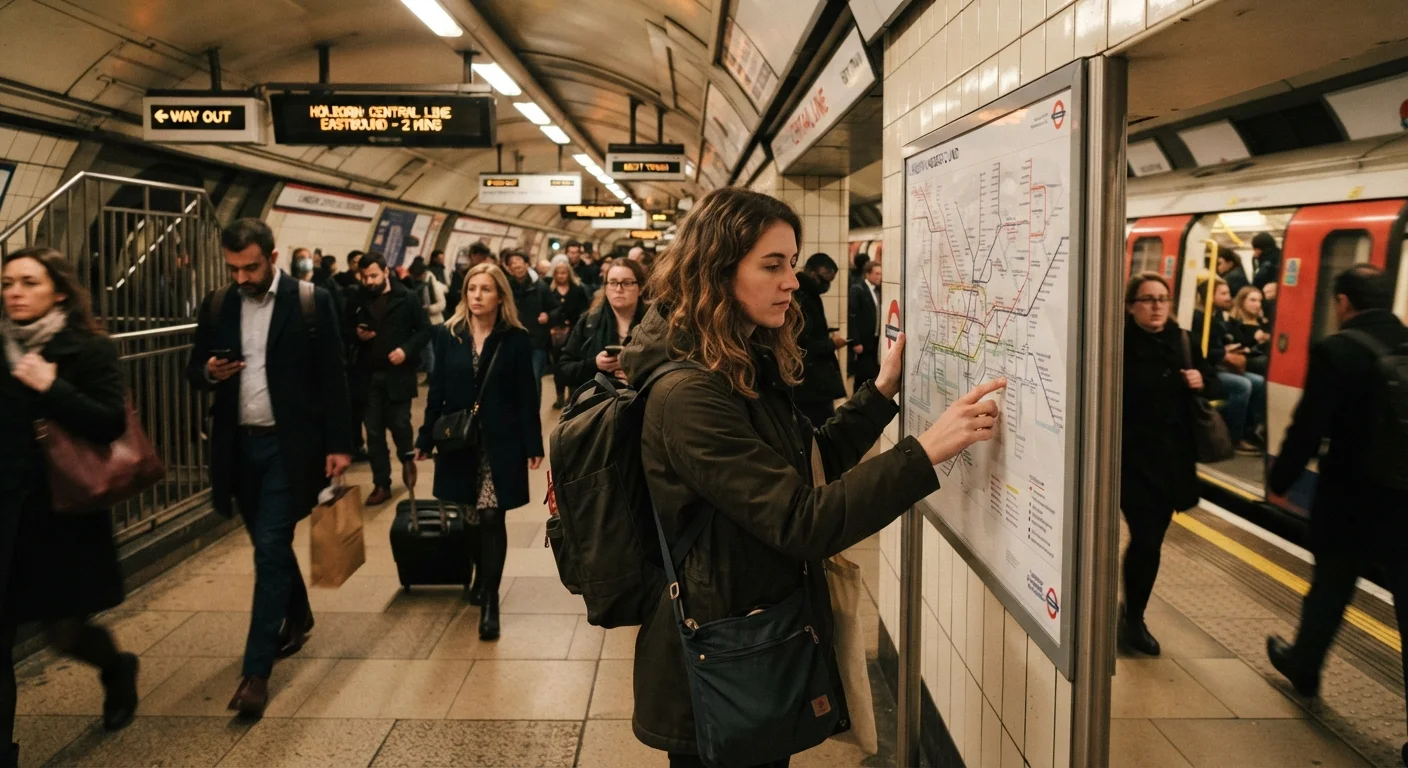
Photo: SummarizedReads.net | Just Read It! editorial
—— In This Article
Key Takeaways
- Research your route and fare system before arriving at any transit stop.
- Situational awareness — not paranoia — is the core skill for safe public transit travel.
- Keep valuables secured and minimize visible signs of distraction like open phones.
- Know which car, exit, or platform to use before the doors open.
- Trust verified local information over assumptions about destination safety.
Why Public Transit Feels Riskier Than It Usually Is
Unfamiliarity is the primary source of transit anxiety for travelers — not necessarily any actual elevated risk. When you don't know the system, can't read the signage fluently, or aren't sure which stop to exit, ordinary situations feel stressful. That stress itself can make you appear uncertain, which does marginally increase vulnerability to opportunistic issues like misdirection scams or distraction theft.
The reassuring reality is that public transit in most cities is used safely by millions of people daily. Reviewing common safety assumptions travelers get wrong can help you calibrate your expectations rather than arrive with either false confidence or unnecessary fear.
The steps below give you a practical framework for navigating any urban transit system more confidently, regardless of how unfamiliar it is.
Screenshot Your Route Before You Board
Cellular connectivity on underground lines is often unreliable. Take a screenshot of your planned route — including stop names, transfer points, and approximate travel times — so you can reference it offline without fumbling for signal at a critical moment.
What to Have in Place Before You Board
Good preparation dramatically reduces in-the-moment stress. The pre-trip safety checklist covers documents and packing essentials in more detail, but specifically for public transit, your priorities are: knowing your route, having payment sorted, and securing your belongings before you reach the platform.
What you will need
It's also worth considering your digital habits. Open networks at transit hubs carry specific risks — see digital security habits for travelers on public Wi-Fi for a practical overview.
Offline Maps App
Provides navigation and transit directions without relying on live cellular data.
Cross-body or anti-theft bag
Keeps valuables close to your body and harder to snatch in crowds.
Local transit card or contactless payment
Speeds up boarding and avoids the distraction of handling cash at gates.
Physical note with key addresses
Backup if your phone battery dies — includes your accommodation and emergency contact.
Step-by-Step: Navigating an Unfamiliar Transit System
Work through these steps in order. The early steps (research, route planning) are done before you leave your accommodation. The later steps apply in real time during your journey.
Research the transit system before you arrive
Spend 15–20 minutes before your trip understanding how the local system works. Identify which lines serve your key destinations, how fares are paid (card-only, cash, app), and whether there are validated ticket requirements that differ from systems you've used before. Many cities have penalty fares for incorrect ticketing — ignorance of local rules isn't usually an accepted excuse.
Plan your exact route and backup route
Identify not just your destination stop but also the stop before and after it, the direction of travel, and at least one alternative route in case of service disruption. Note which exit or platform you need at transfer points. Having this detail memorized — or screenshotted — means you won't need to pull out your phone and stare at it mid-journey.
Secure your belongings before boarding
Move your wallet to a front pocket or inner zipper compartment before you reach the platform — not on the train. Place your bag in front of your body in crowded situations. Avoid wearing high-value jewelry or displaying expensive equipment in ways that invite attention. This is standard precaution, not cause for anxiety.
Board deliberately and choose your position
On metro and train cars, move toward the center or a less crowded section rather than clustering near the doors where pickpocketing is most common during boarding and alighting surges. On buses, stay near the driver if you're uncertain of your stop or feel uncomfortable. Avoid the very last car on metro lines in lower-traffic hours if the car appears isolated.
Stay oriented throughout the journey
Count stops rather than relying entirely on announcements, which may be in a language you don't understand or difficult to hear. Match stop names to your screenshot or map. If you're above ground, use landmarks to track your position. This active orientation keeps you mentally engaged and means you won't overshoot your stop and end up disoriented.
Exit cleanly and re-orient at street level
Before stepping off, identify which exit to take — many large stations have multiple street exits in very different directions. Once at street level, step aside from the exit flow before looking at your phone or map. This small habit prevents both collisions and the distracted pause that makes you visibly uncertain of your surroundings.
Verify Safety Information with Official Sources
Transit conditions, scam patterns, and neighborhood safety can shift quickly. Before traveling, check your government's official travel advisory page and the transit authority's own website for current guidance. Do not rely solely on travel forums or outdated blog posts, which may reflect conditions that no longer apply.
Handling Unexpected Situations
Service disruptions, wrong turns, and confusing interchanges happen — even to experienced travelers. If you miss your stop, stay calm, remain on the train to the next stop, and exit there to reorient. If you feel uncomfortable in a car or at a platform, moving to a different car or a busier area of the station is always a reasonable choice that requires no justification.
If you're approached by someone offering unsolicited help with tickets or directions, be politely firm. Many transit systems have uniformed staff or information kiosks — those are the appropriate resources. If something feels genuinely unsafe, prioritize getting to a public, well-lit area and contacting local emergency services. Your accommodation's front desk can also be a practical first call for local guidance — a point worth remembering alongside the broader advice in our guide to accommodation safety.
Avoid Distracted Scrolling on Platforms and Trains
Standing near a platform edge or in a crowded car while focused on your phone significantly reduces your situational awareness and makes you a more visible target for opportunistic theft. Keep device use brief, then pocket your phone and look up.
For broader trip organization that reduces these in-the-moment pressures, the trip planning basics hub offers structured guidance from itinerary building to pre-departure preparation.

Travel Editorial Team
Travel Editorial Team is the collective byline for our editorial team and contributor network. Articles published under this byline or an editorial pen name are researched, written, and reviewed according to our editorial standards for clarity, consistency, and independence before publication.
View author profile