
Common Assumptions About Destination Safety That Lead Travelers Astray
Assuming a country is universally safe — or unsafe — can create real problems. Learn which common safety misconceptions travelers should question.
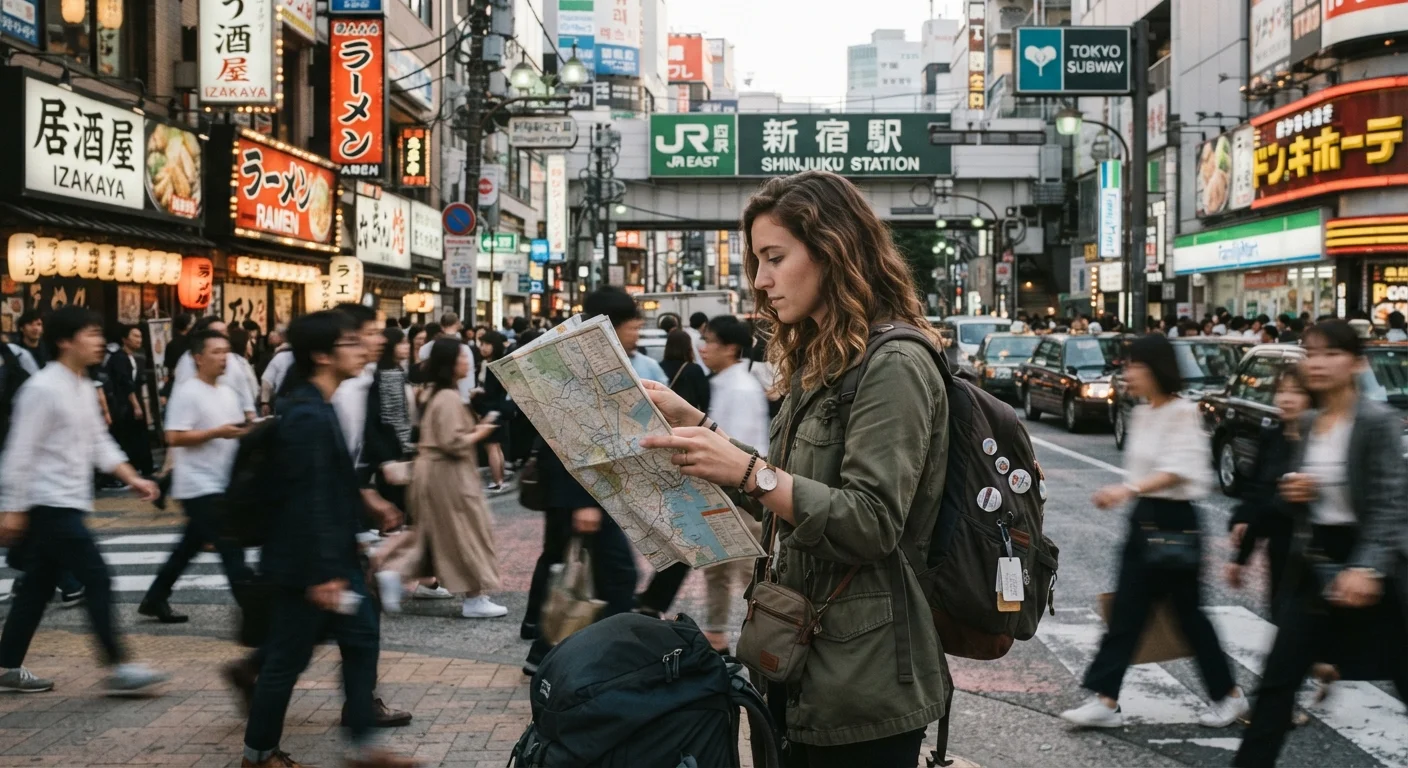
Photo: SummarizedReads.net | Just Read It! editorial
—— In This Article
Key Takeaways
- Country-level safety ratings rarely reflect the full picture within any single destination.
- Traveler nationality, appearance, and behavior all influence personal risk in ways guidebooks often miss.
- Conditions change — safety assumptions based on a past trip or an old article can be dangerously outdated.
- Tourist areas are not automatically safe zones; they can attract specific crimes targeting visitors.
- Verifying current conditions through official government travel advisories is a non-negotiable step.
Why Safety Assumptions Are a Planning Risk
Most travelers approach destination safety with a gut feeling — shaped by news headlines, word of mouth, or a single past experience. That instinct isn't worthless, but when it replaces active research, it becomes a planning liability. Assumptions based on incomplete or outdated information can leave you underprepared for real risks, or unnecessarily nervous about places that are genuinely accessible and manageable.
The goal isn't paranoia — it's accuracy. Understanding where your assumptions come from, and how to stress-test them, is one of the most useful things you can do before any trip. This article walks through the most common safety misconceptions travelers carry, why they form, and how to replace them with grounded, current information. For a broader foundation, travel safety fundamentals every first-timer should understand is a strong starting point.
Always Check Official Travel Advisories
Safety conditions can shift rapidly due to political unrest, natural disasters, or public health events. Before any trip, consult your government's official travel advisory service — such as the U.S. State Department's travel.state.gov — and check for updates close to your departure date. Do not rely solely on advice from friends, travel forums, or older blog posts.
Common Mistakes That Distort Your Safety Picture
The mistakes below are not signs of carelessness — they're patterns that emerge from how we naturally process information about unfamiliar places. Recognizing them is the first step toward a more accurate read of any destination.
Treating a country's overall safety rating as uniform across all regions.
Why it happens: Travel advisories often assign a single risk level to an entire country, and travelers assume that rating applies everywhere within its borders equally.
Assuming tourist areas are inherently safer than local neighborhoods.
Why it happens: High foot traffic and visible policing in tourist zones feel reassuring, leading visitors to let their guard down more than they would elsewhere.
Relying on a previous trip's experience to judge current safety.
Why it happens: A smooth visit two or three years ago builds strong confidence — sometimes strong enough to skip current research entirely.
Assuming your home country's reputation will protect you abroad.
Why it happens: Travelers sometimes believe that holding a particular passport or nationality makes them immune to targeting or friction with local authorities.
Dismissing a destination as completely unsafe based on media headlines alone.
Why it happens: News coverage tends to focus on the most dramatic incidents, which can make an entire country feel dangerous even when most areas are stable and welcoming.
Whether you're traveling solo or with a group, safety assumptions affect everyone differently. Solo versus group travel each carries distinct safety trade-offs worth understanding before you decide how to structure your trip.
~200
Countries with U.S. State Department travel advisories
The U.S. State Department maintains individual travel advisory pages for nearly every country, often with region-specific risk breakdowns within a single nation.
4 levels
U.S. travel advisory risk tiers
Advisory levels range from Level 1 (Exercise Normal Precautions) to Level 4 (Do Not Travel), but many countries contain areas at multiple different levels simultaneously.
Building a More Reliable Safety Assessment
Replacing assumptions with a repeatable research habit doesn't require hours of effort — it requires the right sources and a willingness to update your priors. Start with your government's official travel advisory and note the specific regions flagged, not just the country-level summary. Then cross-reference with recent traveler accounts on reputable forums, keeping in mind that individual experiences vary by nationality, gender, age, and travel style.
Also consider conditions that aren't safety-specific but affect your vulnerability: local infrastructure, language barriers, healthcare access, and connectivity. A destination that feels manageable for an experienced traveler may require extra planning for someone on their first independent trip. For a structured approach to gathering reliable pre-trip intelligence, see our article on sources worth trusting when researching a destination. And if you want to explore the full trip-planning framework this fits into, the Trip Planning Basics hub covers everything from logistics to on-the-ground preparation.
This article provides general travel information and educational guidance only. Safety conditions vary widely and change frequently. Always consult official government travel advisories and verify current conditions with authoritative sources before traveling.

Travel Editorial Team
Travel Editorial Team is the collective byline for our editorial team and contributor network. Articles published under this byline or an editorial pen name are researched, written, and reviewed according to our editorial standards for clarity, consistency, and independence before publication.
View author profile