
Packing Principles That Actually Work Across Trip Types
Reliable packing strategies—from the capsule wardrobe method to weight limits—that apply whether you're on a weekend break or a month-long trip.
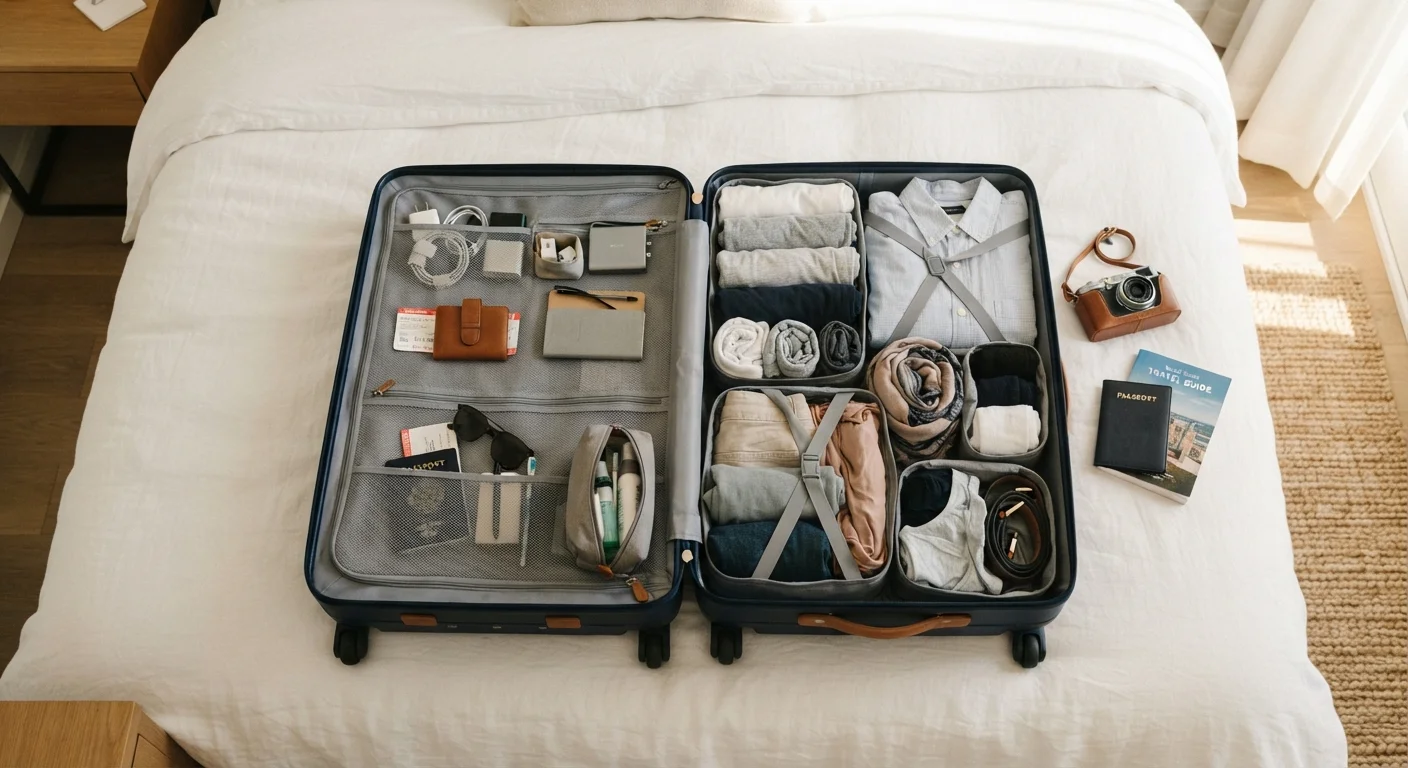
Photo: SummarizedReads.net | Just Read It! editorial
—— In This Article
Key Takeaways
- A capsule wardrobe of mix-and-match pieces reduces total clothing volume without limiting outfit options.
- Checking airline weight and size limits before packing saves money and avoids gate-check surprises.
- Packing cubes and a consistent category system speed up both packing and unpacking at your destination.
- A written packing list created before each trip prevents the last-minute scramble that leads to over-packing.
- Rolling clothes instead of folding them typically reduces wrinkles and creates more usable bag space.
Why Most Packing Advice Falls Short
Generic packing tips — "pack light," "bring versatile pieces" — sound reasonable until you're standing in front of an open bag two hours before departure. What actually works is a repeatable system built around a few durable principles, not a checklist that assumes every trip looks the same.
Whether you're heading out for a long weekend or a month abroad, the same core framework applies. The variables change (climate, activities, luggage type), but the decision-making process doesn't need to. This article breaks that process down into practices you can apply to any trip. For a broader look at how packing fits into the overall planning sequence, see the anatomy of a well-planned trip.
Core Packing Practices That Scale to Any Trip
The following practices are listed in rough order of priority — start with the ones that prevent the biggest problems first.
Build a capsule wardrobe around a single color palette before choosing any item.
When every piece in your bag works with every other piece, you multiply outfit combinations without adding items. A single mismatched piece breaks the system and forces you to pack extras to compensate.
Verify your airline's weight and dimension limits before you start packing, not after.
Carry-on size restrictions vary by airline and even by route or aircraft type. Finding out at the gate — or paying an overweight fee at check-in — is both expensive and stressful. This single check takes two minutes and prevents a common, avoidable problem.
Organize by category using packing cubes or designated zones in your bag.
A consistent system means you always know where something is and can repack quickly after a hotel stay. It also makes security screening faster since you can pull out electronics or liquids without disturbing everything else.
Create and maintain a master packing list, then customize it per trip.
Starting from a blank mental slate before each trip is how things get forgotten or over-packed. A master list built from real experience captures what you actually use, and a per-trip layer accounts for destination-specific needs.
Apply a one-in-one-out rule when deciding on 'just in case' items.
"Just in case" thinking is the leading cause of bags that are too heavy to lift comfortably. Requiring that each speculative item displace something already on the list forces honest prioritization.
For a side-by-side look at how carry-on versus checked luggage affects your overall packing strategy, carry-on vs. checked luggage for long trips walks through the real trade-offs.
Quick Wins You Can Act on Right Now
If you have a trip coming up and want immediate results, these actions require no special gear and take less than 30 minutes to implement.
Once your bag is sorted, don't forget the non-clothing essentials. A pre-trip safety and comfort checklist covers documents, health prep, and emergency items that are easy to overlook when you're focused on clothes.
Adapting the System for Different Trip Types
The core principles stay constant, but a few adjustments help for specific contexts:
- Weekend trips: Resist the urge to pack as if something could go wrong — you're close to home. One small personal item and a carry-on should cover nearly any 2–3 day trip.
- Multi-week trips: Shift your mindset from "pack enough" to "plan to do laundry." Most destinations have laundry access, and building in one laundry day every 5–7 days cuts your clothing volume roughly in half.
- Business travel: Prioritize wrinkle-resistant fabrics and a garment bag or dedicated garment folder insert. One neutral suit or blazer that pairs with multiple items reduces total volume significantly.
- Adventure or outdoor trips: Gear takes priority over clothing variety. Invest in moisture-wicking, quick-dry layers that serve multiple purposes rather than bringing separate items for each activity.
Staying organized across different trip types also means avoiding the itinerary mistakes that create packing confusion. Why your itinerary falls apart explains how unclear planning leads to over-preparation — including over-packing.
Do a Dress Rehearsal the Night Before
Pack your bag completely at least 24 hours before departure, then walk away. When you come back with fresh eyes, you'll immediately spot items that feel unnecessary. Last-minute packing under time pressure almost always results in too much going in and critical things being left out.
For ongoing strategies around spending less without sacrificing the trip experience, the budget travel tips hub covers everything from booking windows to destination selection.

Travel Editorial Team
Travel Editorial Team is the collective byline for our editorial team and contributor network. Articles published under this byline or an editorial pen name are researched, written, and reviewed according to our editorial standards for clarity, consistency, and independence before publication.
View author profile