
Silicones in Hair Products: Separating the Hype from the Reality
Are silicones damaging or just misunderstood? This myth-vs-fact breakdown looks at what the evidence actually shows.
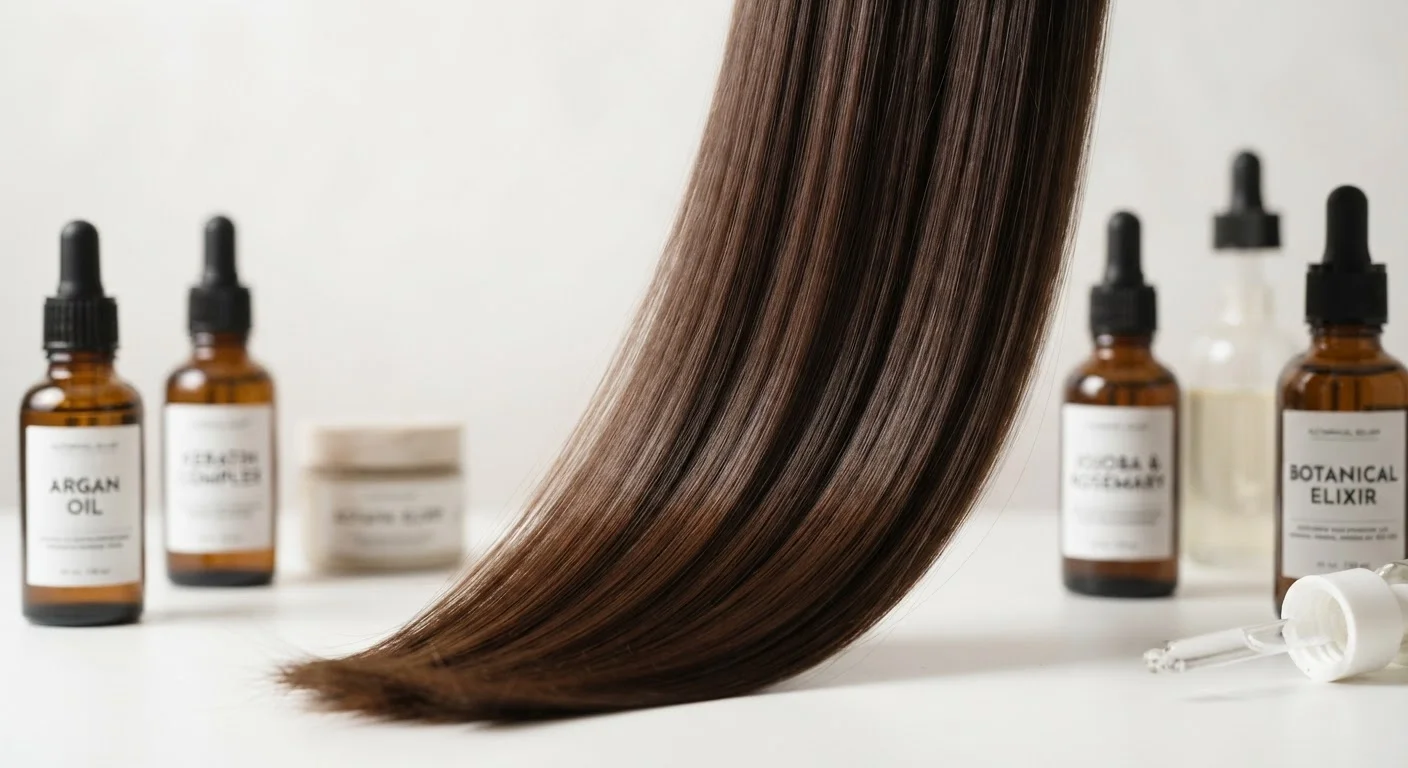
Photo: SummarizedReads.net | Just Read It! editorial
—— In This Article
Key Takeaways
- Silicones coat the hair shaft to reduce frizz and add shine but do not permanently alter hair structure.
- Most silicones are easily removed with regular shampooing and do not cause long-term buildup in typical use.
- Whether silicones help or hinder depends largely on your hair type, porosity, and how often you wash.
- Not all silicones behave the same way - water-soluble varieties rinse out far more easily than non-soluble ones.
- Avoiding silicones is a personal choice, not a dermatological necessity for most people.
Why Silicones Became So Controversial
Silicones have become a polarizing topic in hair care communities, particularly among those following "no-poo" or curly hair methods that discourage their use. The concern is understandable: ingredient lists full of words ending in "-cone" or "-siloxane" can feel opaque and chemical-heavy. But understanding what silicones actually do - and don't do - helps you make a more informed choice about your own routine.
Silicones are a family of synthetic polymers derived from silicon, a naturally occurring element. In hair products, they typically function as conditioning agents, creating a thin, flexible film over the hair cuticle (the outermost protective layer of each strand). That film is what delivers silicone's signature benefits: reduced friction, less frizz, and a smoother, shinier appearance.
The controversy largely traces back to concerns about buildup, scalp health, and whether silicones "suffocate" hair. As with many ingredient debates in beauty, the reality is more nuanced than the headlines suggest. For a broader look at how common habits affect hair health, see our guide to what hair washing gets wrong.
Myth
Silicones permanently coat your hair and prevent moisture from getting in.
Fact
Silicones form a temporary, semi-permeable film that washes away with regular shampooing.
The idea that silicones create an impenetrable barrier is one of the most persistent myths in hair care. In practice, the film silicones deposit is thin and flexible - not a sealed coating. Research in cosmetic chemistry shows that silicone films allow some degree of moisture exchange and are not hydrophobic enough to fully block water absorption. They do reduce the rate of moisture uptake and loss, which is actually beneficial for many hair types prone to humidity-driven frizz. Regular use of a clarifying or standard sulfate-based shampoo removes the film effectively.
Myth
All silicones cause buildup and will eventually weigh your hair down.
Fact
Buildup risk varies significantly depending on the specific silicone type and how frequently you shampoo.
"Silicone" is not a single ingredient - it's a broad category covering dozens of compounds with very different properties. Non-water-soluble silicones like dimethicone do require a surfactant (found in most shampoos) to remove completely. Water-soluble silicones, such as dimethicone copolyol and most cyclic silicones (cyclomethicone, cyclopentasiloxane), rinse away with water alone. If you are concerned about buildup, checking the specific silicone listed - not just avoiding the category - gives you more control without unnecessarily limiting your product choices.
Myth
Silicones damage hair over time with regular use.
Fact
There is no credible evidence that silicones used in leave-on or rinse-out hair products cause structural hair damage.
Hair damage is caused by factors like heat exposure, chemical processing, mechanical stress from brushing, and UV radiation. Silicones, by contrast, are generally considered protective in the short term - they reduce friction between strands, which lowers the likelihood of breakage during detangling, and they can reduce heat transfer to the hair shaft during styling. Cosmetic dermatologists and trichologists (specialists in scalp and hair health) do not typically flag silicone use as a direct cause of hair damage in healthy individuals. If someone notices worse hair quality after using silicone products, the more likely culprits are inadequate cleansing, other product interactions, or existing damage becoming more visible as natural texture is altered.
Myth
"Silicone-free" products are inherently healthier for your hair.
Fact
Silicone-free is a formulation choice, not a health marker - the alternatives are not automatically superior.
Marketing has done a great deal to position silicone-free formulas as "cleaner" or more natural, but the conditioning agents used in their place - such as fatty alcohols, plant oils, or cationic polymers - carry their own trade-offs. Some plant-derived oils can cause buildup in fine hair; some polymers may not rinse cleanly without a proper shampoo. A silicone-free label signals a different formulation approach, not a scientifically validated health upgrade. The best product for your hair is the one that delivers the results you want without causing scalp irritation or structural damage - regardless of whether it contains silicones.
Myth
Silicones clog scalp follicles and cause hair loss or thinning.
Fact
Conditioners and serums containing silicones are formulated for use on hair strands, not the scalp, and there is no clinical evidence linking them to follicle blockage or hair loss.
This concern often gets conflated with scalp product misuse. When silicone-heavy products - particularly thick leave-in formulas - are applied directly to the scalp in excess, they can contribute to a feeling of heaviness or an oily appearance at the roots. However, this is a product application issue, not a toxicological one. Directing conditioners and serums to the mid-lengths and ends, as generally recommended on product instructions, avoids this issue. There is no peer-reviewed clinical evidence demonstrating that cosmetic silicones cause follicle damage, inflammation, or hair loss in the general population when products are used as directed.
How to Use Silicone-Containing Products Wisely
Whether you keep silicones in your routine or not, knowing how to use them sensibly matters more than a blanket ban or endorsement.
Watch Out for Scalp-Area Overuse
Applying heavy silicone-based leave-in products directly to the scalp and roots can cause buildup, making hair look greasy and flat. Most silicone-containing serums and creams are intended for the mid-lengths to ends only. If you experience persistent scalp heaviness or flaking after adding a new product, check where you are applying it before ruling out the ingredient itself.
Match silicone type to your wash frequency. If you shampoo every two to three days, non-water-soluble silicones (like dimethicone) are unlikely to accumulate meaningfully. If you co-wash frequently or rarely use shampoo, water-soluble silicones - look for dimethicone copolyol or cyclomethicone - are a more sensible choice because they rinse out without surfactants.
Consider your hair's porosity. High-porosity hair (common after chemical treatments or heat damage) absorbs moisture quickly but loses it just as fast. A light silicone-based serum can help seal the cuticle and reduce that moisture loss. Low-porosity hair, by contrast, may experience product buildup more readily, so lighter or water-soluble formulas generally work better.
Don't conflate scalp and strand health. Silicones in conditioners and serums are applied to the mid-lengths and ends, not the scalp. The scalp buildup concern applies mainly to leave-in products used heavily near the roots. How you style after washing also affects your hair's long-term condition - our breakdown of air-drying versus heat styling covers those trade-offs in detail.
This article is for general informational purposes only. Individual hair concerns, scalp conditions, or sensitivities should be discussed with a qualified dermatologist or trichologist.

Beauty Editorial Team
Beauty Editorial Team is the collective byline for our editorial team and contributor network. Articles published under this byline or an editorial pen name are researched, written, and reviewed according to our editorial standards for clarity, consistency, and independence before publication.
View author profile