
The DIY Scalp Massage Routine That Costs Nothing
Learn a simple scalp massage technique you can do at home to improve circulation, reduce tension, and support healthier hair.
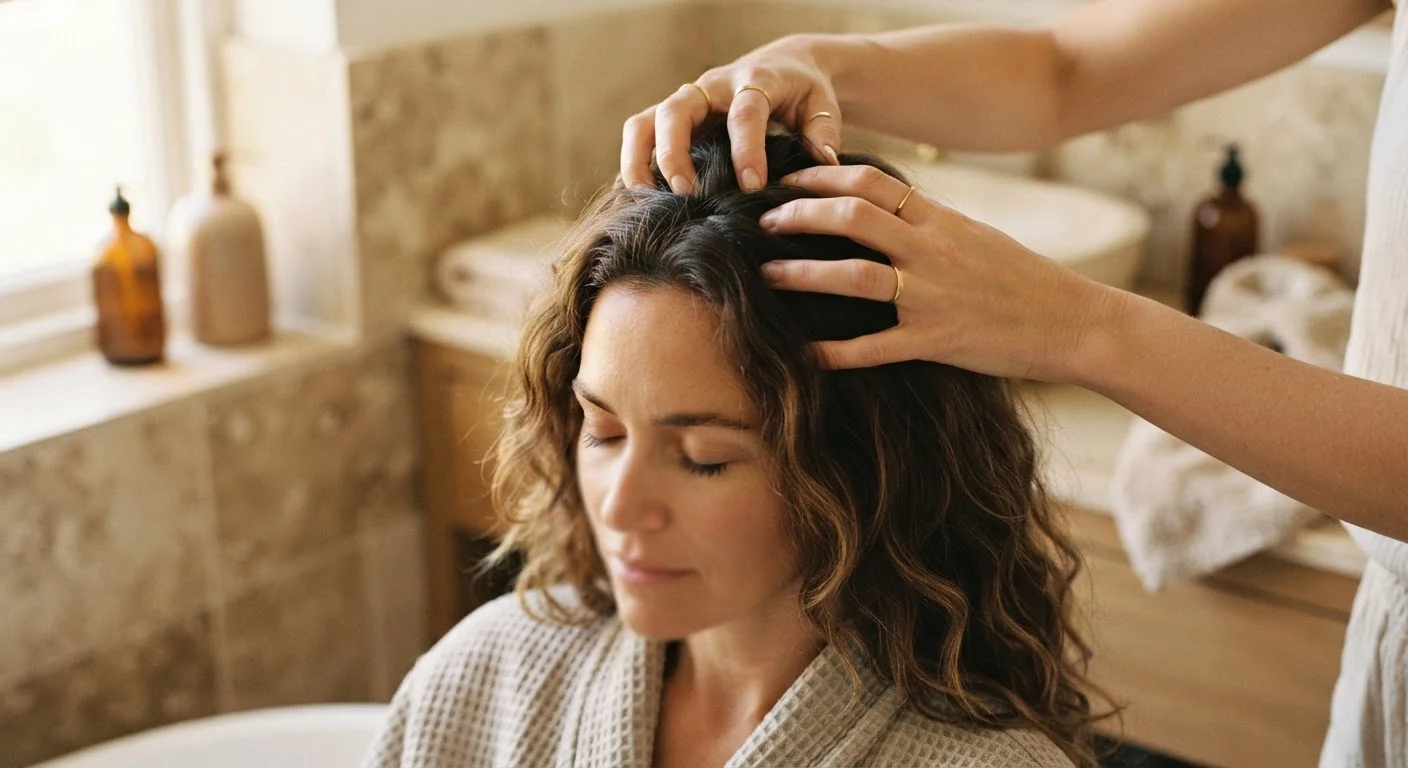
Photo: SummarizedReads.net | Just Read It! editorial
—— In This Article
Key Takeaways
- A daily scalp massage requires only your fingertips and a few minutes - no products needed.
- Regular scalp massage may help improve local blood circulation and ease tension in the head and neck.
- Consistent technique matters more than pressure; firm but gentle circular motion is the goal.
- Some small studies suggest scalp massage may support hair thickness over time, though results vary.
- This routine pairs naturally with other low-cost self-care habits for a broader wellness practice.
Why Scalp Massage Is Worth the Habit
Your scalp is skin - and like skin anywhere on the body, it benefits from circulation and regular care. A scalp massage works by stimulating blood flow to the area, which delivers oxygen and nutrients to hair follicles. It also helps loosen the tight fascia (the connective tissue beneath the skin) that can build up from stress, posture habits, or simply tension you've been carrying for years.
A small but frequently cited 2016 study published in the journal ePlasty found that participants who performed daily scalp massages for 24 weeks showed measurable increases in hair strand thickness. While the study was small and results won't be uniform for everyone, it adds scientific weight to a practice many cultures have maintained for generations. For a deeper look at why scalp condition matters for hair health overall, see our Scalp Health 101 guide.
The practical appeal is hard to argue with: this routine is completely free, takes less than ten minutes, and the barrier to starting is essentially zero. It fits naturally into a broader set of low-cost habits - you can read about similar practices in our overview of budget-friendly self-care practices.
What you will need
Tools, Technique, and What to Expect
The only equipment you truly need is your own hands, though a handheld scalp massager can be useful if you have reduced hand strength or arthritis.
Your fingertips
The primary tool for applying pressure and circular motion across the scalp.
Scalp massage brush or rubber massager
An optional handheld tool that can help those with limited hand strength or arthritis apply even pressure.
Hair clip or tie
Sections thick or long hair to make it easier to work across the entire scalp systematically.
Technique matters more than time or pressure. The most common mistake beginners make is rubbing - moving skin against itself in a way that can cause friction and frizz. Instead, the goal is to move the scalp itself with your fingertips anchored in place, using small circular motions. Think of kneading dough: you're working the material, not sliding across the surface.
Avoid Massage on Irritated or Broken Skin
Do not massage areas of your scalp that are tender, inflamed, actively flaking, or have open sores. Doing so can worsen irritation or spread bacteria. If your scalp feels unusually sensitive, skip the massage and speak with a healthcare professional.
As for what to expect: you may notice your scalp feels warmer and more relaxed immediately after. Some people experience a mild, pleasant tingling - a sign of increased blood flow. Over several weeks of consistent practice, you may notice a reduction in scalp tightness or dryness. Hair-thickness changes, if they occur at all, take months of consistency to become visible.
Consistency Beats Intensity
A gentle five-minute massage every day will likely serve you better than an occasional vigorous session. Think of it the same way you would any habit-based wellness practice - regularity is the variable that tends to matter most. Even pairing it with something you already do, like watching TV or listening to a podcast, makes it easier to stick with.
This kind of straightforward, habit-based approach is exactly what we cover in the beginner self-care framework - worth a read if you're just starting to build daily wellness habits. And if you're curious about where DIY practices like this sit relative to product-based routines, our DIY vs. store-bought guide offers an honest comparison.
Not a Treatment for Hair Loss or Scalp Conditions
Scalp massage is a general wellness practice, not a medical treatment. If you are experiencing significant hair loss, an itchy or flaking scalp, or any scalp pain, consult a dermatologist or healthcare provider before starting any new routine. This article provides general information only and is not a substitute for professional medical advice.
This article is for general informational purposes only and does not constitute medical advice. Consult a qualified healthcare professional for any concerns about your scalp, hair, or overall health.
Beauty Editorial Team
Beauty Editorial Team is the collective byline for our editorial team and contributor network. Articles published under this byline or an editorial pen name are researched, written, and reviewed according to our editorial standards for clarity, consistency, and independence before publication.
View author profile